
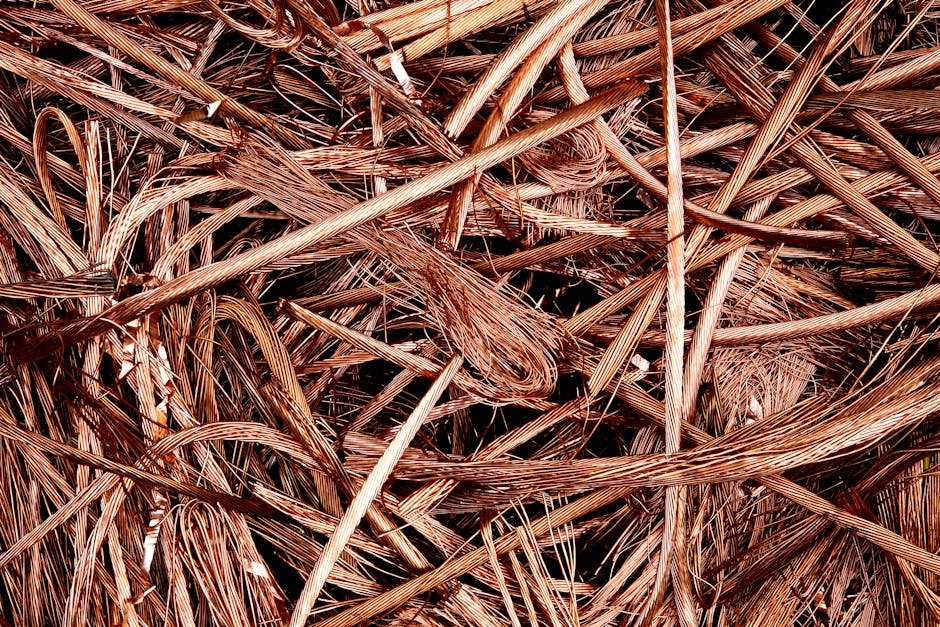

Navigating the volatile landscape of copper scrap prices requires more than just a passing interest in metal markets; it demands an understanding of global commodities, local industrial demand, and the specific grading criteria used by Australian scrap yards. Whether you are a professional demolition contractor, a tradesperson, or an individual looking to recycle household materials, knowing how to interpret copper scrap prices is the difference between a modest payout and a significant financial return. As Australia continues to transition toward a circular economy, the demand for high-purity copper has never been higher, making it a cornerstone of the domestic recycling industry. To get the most accurate, real-time data for your specific region, you should always check Scrap Copper Prices Near Me to ensure you are aligning your sales with current local market conditions.
Understanding How Copper Scrap Prices Are Set
The pricing mechanism for copper is complex, functioning as a global derivative market that filters down to the local yard level. At the top of the hierarchy is the London Metal Exchange (LME), which sets the base price for copper per tonne. This global benchmark is then adjusted by the Australian Dollar (AUD) exchange rate, as copper is traded internationally in USD. When the AUD is strong against the USD, local scrap prices often feel the impact, and vice versa. Beyond these macro-economic factors, local scrap yards apply a ‘spread’ or ‘margin’ to cover their operational costs, including logistics, processing, storage, and the inevitable risk of market price drops while inventory is held.
To understand what you are being paid, you must look at metal prices today as a baseline, but realize that your local buyer is accounting for the purity of your load. If you are selling large volumes, you have more leverage to negotiate based on the current LME spot price. However, for smaller quantities, you are subject to the yard’s daily buy price. Factors such as the cost of electricity to run shredders, the availability of export shipping containers, and local manufacturing demand (such as construction projects in Sydney or Melbourne) all influence the final price per kg you receive at the scale.
The Critical Importance of Copper Grading
Not all copper is created equal. The industry uses a standardized grading system to determine the value of your scrap. Misidentifying your material is the most common reason for receiving a lower payout than expected. When you visit a facility for Scrap Metal Prices, you will notice that the staff immediately inspects the metal for contaminants like plastic, solder, or steel attachments.
- Bare Bright Copper: This is the gold standard. It consists of unalloyed, uncoated, and uncorroded copper wire, typically 16-gauge or thicker. It must be free of insulation, paint, or oxidation. Because it requires zero processing before being melted down, it commands the highest price per kg.
- Number 1 Copper: This grade includes clean copper pipe or heavy-gauge wire that is free of fittings, insulation, and paint. While it may have slight oxidation, it must be free of solder joints.
- Number 2 Copper: This is the most common grade for residential scrap. It includes copper pipe with solder joints, burnt wire, or copper that has been exposed to the elements for a long time. The presence of these contaminants means the recycler must perform additional labor to purify the metal, which is reflected in the lower price.
- Insulated Copper Wire: This is graded based on the ‘recovery rate’ or the percentage of copper inside the plastic coating. High-grade data cable or heavy-duty power cable will yield more copper than thin, low-voltage wiring.
By sorting your material before you arrive at the yard, you effectively increase your profit margin. Professional recyclers at Scraptrade.com.au emphasize that clean, sorted loads are processed faster and often fetch a premium over ‘mixed’ loads that require manual labor to sort.
The Lifecycle of Recycled Copper
Recycling copper is a highly efficient process that consumes up to 85% less energy than mining and refining virgin ore. When you drop off your Scrap Copper, it begins a journey of transformation. First, the material is weighed and inspected. If the load is large, it may be baled to optimize transport space. From the yard, the scrap is sent to a processing facility where it is shredded, stripped of insulation, and magnetically separated from any ferrous contaminants. Once purified, the copper is melted in a furnace, refined to remove any remaining impurities, and cast into ingots or rods. These are then sold back to manufacturers who produce new copper wire, plumbing components, or electrical hardware. This closed-loop system is vital for Australia’s sustainability goals, as copper is infinitely recyclable without losing its chemical or physical properties.
Factors Affecting Local and Global Market Value
Beyond the LME, several localized factors influence the price per kg you see on a daily basis. The construction industry is a primary driver; when building activity is high, the demand for new copper pipe and wiring increases, which in turn drives up the demand for recycled copper feedstock. Conversely, during economic downturns, industrial demand may soften, leading to a surplus of scrap and a subsequent drop in price. Supply chain logistics also play a massive role. If shipping costs rise—due to fuel prices or port congestion—the cost to export scrap to international markets increases, which the recycler passes on to the seller. Furthermore, the rise of the electric vehicle (EV) market and renewable energy infrastructure (like solar and wind) has created a long-term structural demand for copper that is expected to keep prices elevated for the foreseeable future.
How to Maximize Your Returns
To get the best value, you must treat your scrap like a commodity. First, keep your copper dry and under cover. Oxidation (the green tarnish) is a contaminant that can downgrade your material from Number 1 to Number 2. Second, strip your wires if you have the time and the right tools. While stripping thin wire is labor-intensive, the price difference between insulated wire and clean, bare copper is often significant enough to justify the effort. Third, build a relationship with a reputable yard. If you are a regular supplier, you are more likely to receive ‘loyalty’ pricing or better advice on how to prepare your loads. Finally, consult the Scrap Copper Prices in Australia: Market Value & Recycling Guide to stay informed about seasonal trends and market shifts that might dictate when it is the best time to sell your stockpile.
Environmental and Economic Benefits
Recycling copper is not just about the money; it is a critical environmental imperative. Mining copper is an energy-intensive and environmentally destructive process, often involving open-pit mines that disrupt local ecosystems and consume vast amounts of water. By recycling, we reduce the need for new mining operations, decrease carbon emissions, and conserve natural resources. Economically, the industry provides thousands of jobs across Australia, from yard operators to logistics managers and export specialists. When you choose to recycle your copper rather than discarding it in a landfill, you are participating in a vital economic loop that supports local infrastructure and reduces the environmental footprint of our national industry.
The Future of the Copper Market
As we look toward a future dominated by electrification, the role of recycled copper will only become more central. With global demand for copper projected to outstrip supply in the coming decade, the value of scrap is likely to remain on an upward trajectory. Technologies like automated optical sorting and AI-driven grading are making the recycling process even more efficient, allowing yards to capture more value from lower-grade materials. For the Australian seller, this means that every kilogram of copper you recycle today is a valuable asset that contributes to a more sustainable and prosperous future. Stay vigilant, keep your grades separated, and leverage the data available to you to ensure you are always getting the best possible market rate for your hard-earned scrap.
Frequently Asked Questions
What is the difference between Number 1 and Number 2 copper?
Number 1 copper is clean, unalloyed, and free of oxidation or solder, while Number 2 copper often contains contaminants like solder, paint, or minor oxidation. Because Number 1 requires less processing, it commands a higher price per kg.
Does the price of copper change daily?
Yes, copper prices fluctuate daily based on the London Metal Exchange (LME) spot price and currency exchange rates. Local scrap yards typically update their buy prices to reflect these global market shifts.
Is it worth stripping insulation off copper wire?
It depends on the thickness of the wire and the time you have available. Stripping thick, high-recovery wire usually provides a significant price increase, whereas very thin wire may not be worth the labor cost.
How can I find the best copper scrap prices in my area?
You should check local scrap yard websites, call them directly for quotes on specific grades, and use online resources to monitor current market trends. Building a relationship with a local yard is the best way to ensure consistent, fair pricing.