

Navigating the complex landscape of the current copper scrap value requires a deep understanding of market dynamics, material grading, and the logistical realities of the Australian recycling sector. Whether you are a professional demolition contractor, an electrician managing site waste, or a private individual looking to clear out a workshop, knowing how to classify your metal is the difference between a modest payout and a significant financial return. At Scrap Trade, we emphasize that the current copper scrap value is not a static figure but a fluid metric influenced by international industrial demand, currency exchange rates, and the specific purity of your haul. By mastering the nuances of scrap classification, you turn potential waste into a high-value commodity. For those seeking immediate local data, checking Scrap Copper Prices Near Me is the first step toward benchmarking your local yard’s offer against national averages. Our comprehensive resource, Understanding the Current Value of Scrap Copper: A Complete Guide, provides the technical foundation needed to navigate these fluctuations effectively.
The Hierarchy of Copper Grades: Maximizing Your Return
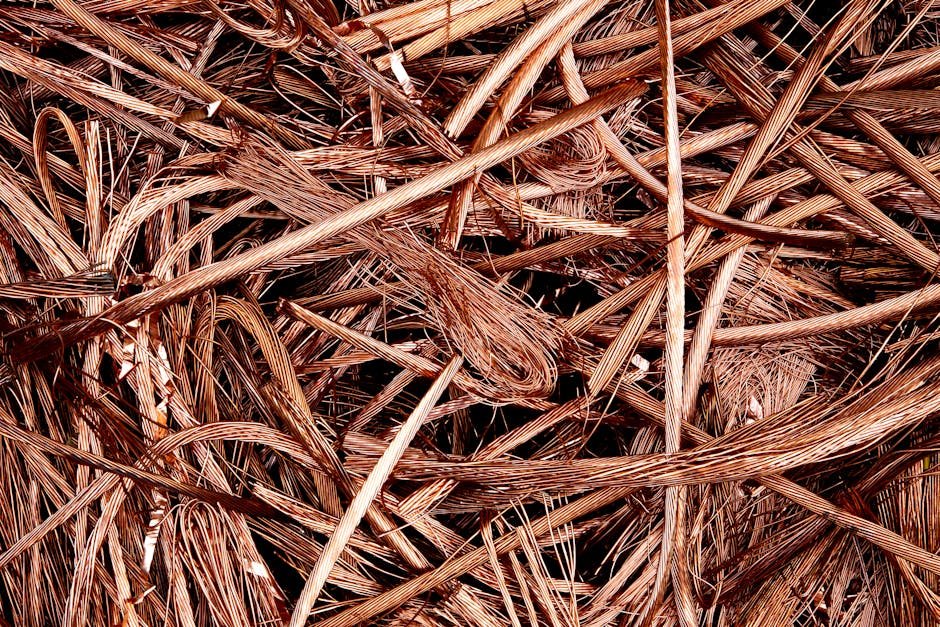
To extract the most value from your haul, you must be able to distinguish between the primary grades of copper. The industry standard is rigid because refineries require specific purity levels to maintain efficiency. Bare bright copper, often found in high-voltage cabling with insulation stripped, is the gold standard. It is unalloyed, uncoated, and free of oxidation. When you bring this to a yard, you are providing a material that requires zero processing, which is why it commands the highest price per kg. In contrast, number 2 copper consists of wire that may have light oxidation, paint, or solder, necessitating additional processing time at the refinery. This grade is common in residential plumbing and older electrical systems. Understanding these grades is critical; mislabeling your Scrap Copper as a lower grade than it actually is will result in lost revenue. Always inspect your copper pipe for remnants of solder or plastic fittings, as these contaminants significantly downgrade the material. For the latest data on how these grades influence the bottom line, consult our Current Scrap Metal Prices page, which tracks daily market shifts across Australia. Refineries categorize copper based on its recovery percentage, and by providing clean, sorted material, you reduce the yard’s labor costs, which often translates into better negotiation power for you.
The Mechanics of Copper Recycling: From Site to Refinery
The recycling process is a sophisticated industrial operation that transforms discarded metal into infinite-use raw material. Once you deliver your scrap to a facility like those listed on Scrap Trade Australia, the material undergoes a rigorous testing phase. High-tech spectrometers are often used to determine the exact chemical composition of the alloy, ensuring that impurities like lead or tin do not contaminate the melt. After grading, the copper is shredded or granulated. This mechanical process separates the metal from non-metallic components like PVC insulation or rubber coatings. The remaining copper granules are then melted in massive furnaces. Because copper is 100% recyclable, this process can be repeated indefinitely without any degradation in quality. This is the primary reason why the current copper scrap value remains high; the demand for recycled copper—or ‘secondary copper’—is massive because it requires up to 85% less energy to produce than mining virgin ore. By recycling, you are not just clearing your site; you are participating in a circular economy that reduces the environmental footprint of global manufacturing. This industrial loop is the backbone of the scrap industry, and as a supplier, your role is to ensure the material entering this loop is as clean and sorted as possible.
Environmental Benefits and the Circular Economy
The environmental imperative for recycling copper is profound. Mining for virgin copper is an energy-intensive, destructive process that involves massive land displacement and significant chemical runoff. In contrast, recycling existing copper wire and copper pipe preserves natural resources and prevents the accumulation of hazardous waste in landfills. When you recycle, you are actively reducing the demand for new mining operations. Furthermore, the energy savings are staggering. The carbon footprint of producing a kilogram of recycled copper is a fraction of that associated with primary copper production. This sustainability factor is increasingly driving corporate social responsibility policies, with many construction firms now mandating that all scrap metal be recovered and recycled rather than disposed of. By tracking the current copper scrap value, you are also tracking the health of the global green energy transition. Copper is the essential metal for electric vehicles, renewable energy grids, and high-efficiency electronics. As the world moves toward decarbonization, the demand for this metal will only increase, making your scrap a critical asset in the global supply chain.
Strategic Tips for Managing Your Scrap Inventory
Efficiency in scrap management is as much about logistics as it is about metal identification. If you are managing a large-scale project, store your copper in dedicated, weather-protected bins. Oxidation is the enemy of value; while copper is durable, prolonged exposure to the elements creates a patina that can lead yard managers to downgrade your material to a lower class. Keep your bare bright copper separate from your number 2 copper. If you have significant quantities of insulated wire, consider whether the cost of stripping the insulation is offset by the higher price of the bare wire. In many cases, using a mechanical wire stripper is an excellent investment that pays for itself within a few months of active site work. Always keep a log of your weights and compare them against the receipts provided by the yard. Transparency is key, and reputable yards will always be willing to explain how they arrived at a specific price per kg. If you are dealing with industrial quantities, inquire about pick-up services, as the cost of transport can often be negotiated into the final price. By treating your scrap as a managed inventory rather than a pile of junk, you transform it into a predictable revenue stream.
Navigating Market Volatility
The current copper scrap value is inherently volatile, reacting to everything from geopolitical tensions in South America to manufacturing output in China. As a seller, you must learn to read the market signals. When the Australian dollar is weak against the US dollar, local scrap prices often see a boost, as copper is traded globally in USD. Conversely, when global manufacturing slows, demand for raw materials drops, putting downward pressure on prices. Do not panic during short-term dips; instead, look at the long-term trends. If you have the storage capacity, holding onto your scrap during a market slump until prices recover can yield significantly higher returns. However, if you have limited space or cash flow requirements, it is often better to sell consistently rather than trying to time the market perfectly. Consistency in delivery builds a relationship with your local scrap yard, which can lead to ‘preferred supplier’ status and access to better pricing tiers. Always verify the current copper scrap value on the day of sale, as large yards update their boards daily based on the morning’s LME (London Metal Exchange) opening prices.
The Future of Copper and the Recycling Industry
The future of the copper industry is inextricably linked to the electrification of the global economy. As we shift away from fossil fuels, the amount of copper required for infrastructure—from wind turbine generators to EV charging networks—is projected to skyrocket. This long-term demand curve suggests that the value of scrap will remain resilient, even in the face of temporary economic downturns. We are also seeing advancements in recycling technology, such as automated sorting systems that use artificial intelligence to identify and separate different alloys with near-perfect accuracy. For the scrap seller, this means the industry is becoming more professionalized and transparent. The days of ‘mystery pricing’ are fading; today’s market is driven by data. By staying informed through resources like our comprehensive guides, you position yourself to take advantage of these shifts. Whether you are a small-scale recycler or managing industrial-grade volumes, the fundamentals remain the same: clean your material, sort it accurately, and keep your pulse on the market. Your commitment to proper recycling is not just a financial decision; it is a contribution to a sustainable future where materials are valued, reused, and never wasted.
Frequently Asked Questions
How can I tell the difference between bare bright and number 2 copper?
Bare bright copper is clean, unalloyed, and free of any insulation, paint, or oxidation. Number 2 copper typically shows signs of wear, such as light oxidation, solder, or paint, and often includes heavier-gauge wire that has been stripped but remains slightly tarnished.
Does the current copper scrap value change daily?
Yes, the value fluctuates daily based on the London Metal Exchange (LME) and currency exchange rates. Most professional scrap yards update their pricing boards every morning to reflect these global market shifts.
Is it worth stripping insulation off copper wire?
In most cases, yes. Stripping the insulation converts your material from ‘insulated wire’ to ‘bare bright’ or ‘number 2’ copper, which commands a significantly higher price per kilogram. If you handle large volumes, a mechanical wire stripper is a highly recommended investment.
Why does the price of copper vary between different scrap yards?
Prices vary due to the yard’s overhead costs, their proximity to refineries, and their current inventory requirements. Some yards may also offer higher rates for bulk quantities or established commercial clients who provide consistently clean, well-sorted material.