
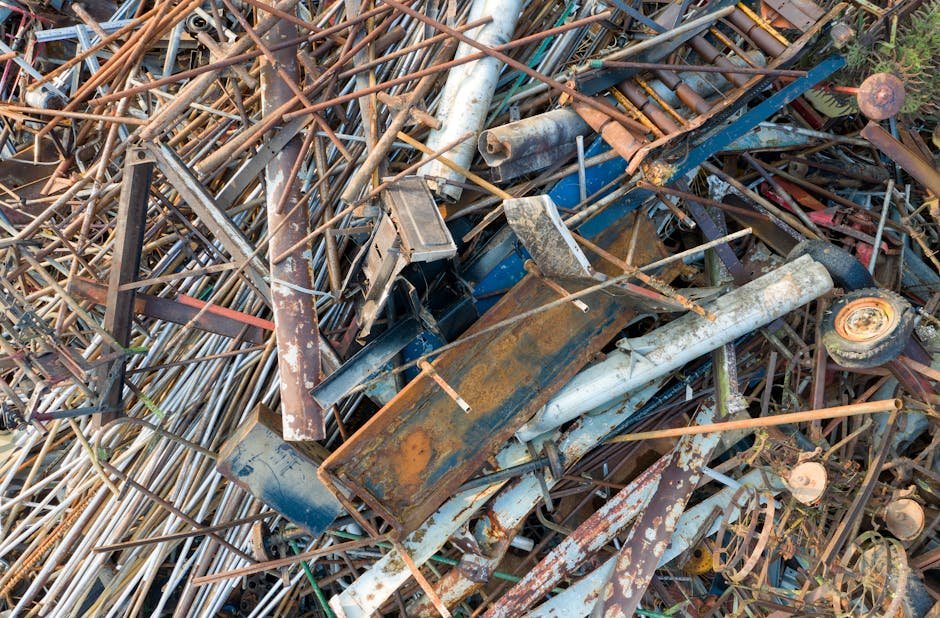

Determining how much is scrap metal requires an understanding of the complex global supply chain that dictates daily valuation. Whether you are a tradesperson clearing a site or a homeowner recycling household appliances, the value of your scrap depends heavily on the specific grade, the level of contamination, and current LME (London Metal Exchange) trends. To gain a clear understanding of current market conditions, you should frequently consult our Scrap Metal Prices page, which tracks real-time data relevant to the Australian market. Navigating the industry can feel overwhelming, but by breaking down the classification of metals and the logistics of collection, you can maximize your returns significantly.
Understanding Metal Grades and Valuation
The scrap metal industry categorizes materials into two primary groups: ferrous and non-ferrous. Ferrous metals, such as steel and iron, contain carbon and are magnetic. While these are abundant and essential for construction, they typically carry lower market values per kilogram. In contrast, non-ferrous metals—including copper, aluminium, brass, lead, and stainless steel—are highly prized due to their infinite recyclability without losing structural integrity. When you ask how much is scrap metal, you are essentially asking about the scarcity and demand for these specific non-ferrous elements.
Copper is the gold standard of the scrap world. Bright shiny copper, often sourced from stripped electrical cabling, fetches the highest premiums. Burnt or heavily insulated wire, however, is downgraded because the recycling process requires extra energy to remove impurities. Similarly, aluminium is graded based on its form; ‘extrusion’ (window frames) is worth more than ‘cast’ (engine blocks) or ‘foil’ (soda cans). Understanding these nuances is the first step toward becoming an informed seller. For those looking for professional handling of large-scale industrial waste, Crg Scrap Metal provides specialized services that ensure your materials are graded accurately to reflect their true market worth.
The Mechanics of Scrap Metal Recycling
Recycling is not merely about dumping old metal; it is a sophisticated industrial process designed to conserve natural resources. Once scrap reaches a facility, it undergoes a rigorous sorting process. Advanced facilities use magnets to separate ferrous metals from the rest of the stream, while eddy current separators are employed to eject non-ferrous metals from the mix. X-ray fluorescence (XRF) analyzers are often used to determine the exact chemical composition of alloys, ensuring that high-value metals are not contaminated by lower-grade impurities.
After sorting, the metal is processed into a ‘feedstock’ state. This often involves shredding or shearing the material into smaller, uniform pieces to improve transport efficiency and furnace melt rates. The shredded metal is then melted down in massive furnaces, cast into ingots, and sent to manufacturers to be reborn as new products. This closed-loop system is why local recycling is so vital. If you are ready to participate in this circular economy, finding a reliable Metal Scrap Yard Near Me is the most practical way to ensure your materials are processed ethically and efficiently. For additional context on navigating the local market, our resource How Much for Metal Scrap in Australia? A Complete Guide provides granular insights into regional price variances.
Environmental and Economic Benefits
The environmental case for scrap recycling is undeniable. Mining virgin ore is an energy-intensive and ecologically destructive process that involves massive land clearing and chemical leaching. By contrast, recycling aluminium saves roughly 95% of the energy required to produce it from bauxite ore. Recycling copper saves 85% of the energy compared to primary production. Every tonne of recycled steel prevents the emission of approximately 1.5 tonnes of carbon dioxide, directly contributing to Australia’s commitment to lowering its industrial carbon footprint.
Beyond the environmental impact, there is a strong economic incentive. The scrap industry supports thousands of jobs across Australia, from collection and logistics to high-tech processing. By keeping metal in the supply chain, we reduce our reliance on expensive imports and stabilize the cost of raw materials for local manufacturers. Whether you are a business owner or a private citizen, your decision to recycle directly supports this economic stability. You can learn more about the broader industry landscape by visiting Scrap Trade for market updates, or explore the specific operational standards at Scrap Trade Australia to see how modern yards are optimizing for sustainability.
Maximizing Your Returns: Practical Tips
If you are wondering how much is scrap metal worth for your specific pile, the answer is often in the preparation. Contamination is the primary reason for lower payouts. A pile of clean copper piping will always fetch a higher price than copper mixed with steel, plastic, or concrete. Before heading to a yard, take the time to strip insulation from wires and remove non-metallic attachments from your scrap. This simple effort can move your material from a ‘mixed’ grade to a ‘clean’ grade, which can result in a significantly higher payout per tonne.
Volume is another critical factor. While individual sellers are always welcome, yards often offer better rates for consistent, high-volume deliveries. If you run a construction or demolition business, establish a relationship with a local yard to secure tiered pricing based on your annual output. Keep a ledger of your scrap types and weights; this not only helps you track your revenue but also assists the yard in providing you with more accurate quotes. Remember that market prices are dynamic—check the indices regularly so you know when to hold onto your material and when to sell during a market peak.
Navigating Market Volatility
Global events, from trade wars to infrastructure booms, directly influence the price of metals. When China or the US increases demand for construction materials, prices in Australia often rise in response. Conversely, economic downturns can lead to a slump in demand for raw commodities, causing prices to dip. As a seller, it is important to understand that you are part of a global market. Do not be discouraged by short-term volatility; instead, view scrap metal as a long-term asset class. By maintaining a clean, sorted inventory, you are always positioned to capitalize on price spikes when they occur.
Furthermore, consider the logistical costs. If you have a massive amount of heavy steel, the cost of transport might eat into your profit margins. Always calculate the net return after factoring in fuel and time. Many reputable yards provide bin services for commercial clients, which can streamline your logistics and ensure that your site remains compliant with local environmental regulations. By centralizing your waste management, you reduce the risk of on-site accidents and ensure that every piece of scrap is accounted for and valued correctly.
The Future of Metal Recycling
The transition toward a green economy is placing unprecedented demand on recycled metals. As the world shifts toward electric vehicles and renewable energy infrastructure, the need for copper, lithium, and rare earth metals is skyrocketing. This shift will likely lead to a long-term increase in the value of scrap, particularly for high-grade non-ferrous materials. Australia is uniquely positioned to benefit from this, given our robust mining heritage and the growing sophistication of our recycling infrastructure. By participating in this industry, you are not just making a quick buck; you are contributing to a sustainable future where resources are treated as finite and precious.
As technology evolves, we expect to see even more precise sorting methods, such as AI-driven robotic arms that can identify and separate metals at lightning speeds. This will improve the purity of recycled products, making them even more desirable for high-end manufacturing. For those currently involved in the scrap trade, staying informed is the best strategy. Keep an eye on industry publications, maintain clean sorting practices, and build strong relationships with your local recycling partners. The question of how much is scrap metal is one that will continue to evolve, but the fundamental value of recycling remains a cornerstone of a responsible and profitable circular economy.
Frequently Asked Questions
What is the most valuable scrap metal to recycle?
Copper is consistently the most valuable scrap metal due to its high demand in electrical and plumbing industries. Clean, bright copper wire fetches the highest prices, followed by copper piping and brass.
Does the grade of scrap metal affect the price?
Yes, grading is the primary factor in determining price. Metals are graded based on purity, level of contamination, and physical form, with cleaner, sorted metals always commanding higher rates than mixed or contaminated loads.
How often do scrap metal prices change?
Scrap metal prices fluctuate daily or weekly, influenced by global commodity market shifts, currency exchange rates, and local supply and demand. It is recommended to check current price indices before visiting a scrap yard.
Why is it important to sort my scrap metal before selling?
Sorting your metal prevents cross-contamination, which allows the recycling yard to process it more efficiently. Properly sorted loads are easier to grade accurately, ensuring you receive the maximum possible payment for each specific type of metal.