
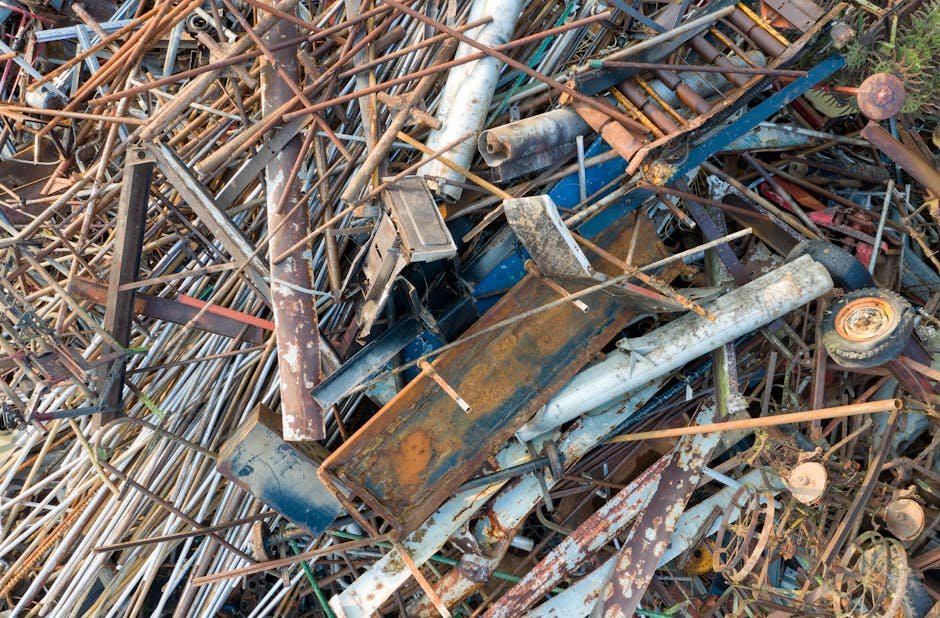

Navigating the landscape of scrap dealers in Dubai requires a deep understanding of international metal markets, logistical proficiency, and local regulatory compliance. As a global hub for trade, Dubai serves as a primary consolidation point for scrap metal moving between Asia, Africa, and Europe. Whether you are a construction firm clearing site waste or a manufacturer sourcing secondary raw materials, understanding the nuances of scrap classification is essential. For those looking to streamline their operations, utilizing a professional B2b Scrap Trading Platform can significantly reduce overheads and increase transparency in pricing. The market for scrap dealers in Dubai is highly competitive, driven by the rapid infrastructure development and the city’s commitment to sustainable industrial growth.
The Hierarchy of Scrap Metal Grades
Metal classification is the foundation of the scrap industry. Dealers categorize materials based on purity, chemical composition, and physical form. Ferrous scrap, primarily iron and steel, is graded by thickness and contamination levels. For instance, HMS (Heavy Melting Steel) 1 and 2 are the industry standards for structural steel, where HMS 1 represents thicker, cleaner sections. Non-ferrous metals like copper, aluminium, and brass carry significantly higher market value due to their infinite recyclability without degradation.
When dealing with Aluminium Scrap Dealers in Australia: Grades, Recycling & standards, you notice a global consistency in how alloys are categorized. In Dubai, dealers emphasize the separation of 6061, 6063, and cast aluminium to ensure smelters receive a consistent feedstock. Copper is similarly graded into ‘Berry’ (bright and shiny wire), ‘Candy’ (burnt wire), and ‘Druid’ (insulated copper). Proper sorting at the source is the single most effective way to maximize profit margins. Businesses that implement robust on-site sorting protocols often see a 20-30% increase in the value of their scrap loads. For those operating internationally, aligning your local practices with the standards found at Scrap Trade Australia ensures your inventory meets the strict quality requirements of global buyers.
The Mechanics of Industrial Recycling
Recycling in Dubai is a sophisticated industrial process that transforms waste into high-value commodities. The journey begins with collection and transportation, followed by systematic sorting. Advanced facilities utilize magnetic separators for ferrous metals and eddy current separators for non-ferrous materials. X-ray fluorescence (XRF) analyzers are now standard equipment for reputable dealers, allowing them to verify the chemical composition of alloys in seconds. This technology eliminates the guesswork, ensuring that the material delivered to the foundry meets exact specifications.
Once sorted, the metal is processed through shearing, baling, or shredding. Baling compacts loose metal into dense, manageable bricks, which drastically reduces shipping costs. Shredding is reserved for complex items like end-of-life vehicles or white goods, where the goal is to liberate metal from plastic, glass, and rubber components. By integrating with a reputable Scrap Trade Organisation, businesses can gain access to standardized processing protocols that are recognized worldwide. This level of professionalization is what separates high-volume, reliable dealers from smaller, informal operators. Engaging with the broader global scrap trade ecosystem provides the market intelligence necessary to hedge against price volatility.
Environmental Impact and Global Sustainability
The environmental case for metal recycling is undeniable. Producing primary aluminium from bauxite ore consumes roughly 95% more energy than recycling existing aluminium scrap. By diverting thousands of tons of metal from landfills, Dubai’s scrap industry significantly reduces the carbon footprint of the construction and automotive sectors. Furthermore, the reduction in mining activity preserves natural landscapes and prevents the toxic runoff associated with ore extraction.
Modern scrap dealers in Dubai are increasingly adopting ‘green’ logistics. This includes the use of electric fleet vehicles for local collection and the implementation of water-recycling systems in processing plants to suppress dust. As the UAE moves toward its net-zero targets, the scrap industry is positioned as a key enabler of a circular economy. Companies that prioritize sustainable practices are finding it easier to secure contracts with international firms that have strict ESG (Environmental, Social, and Governance) requirements. For insights on how these metrics are tracked in other developed markets, you can explore resources at Scrap Trade Australia to see how they integrate carbon reporting into their trading operations.
Market Dynamics and Price Forecasting
Scrap pricing is notoriously volatile, influenced by global commodity exchanges like the London Metal Exchange (LME). Factors such as geopolitical tensions, shipping lane disruptions, and fluctuations in the US dollar all impact the bottom line. For dealers in Dubai, proximity to the Jebel Ali port provides a competitive advantage, allowing for rapid export to major manufacturing hubs in India, China, and Europe. However, this also means that local prices are highly sensitive to international demand shifts.
Successful trading requires a proactive approach to market data. Dealers who rely on real-time pricing alerts and historical trend analysis are better equipped to hold stock when prices are low and sell during market peaks. It is also crucial to understand the ‘spread’—the difference between the purchase price and the export price—which covers logistics, processing, and profit. Maintaining low overheads through automated inventory management is a common strategy among the most profitable firms in the region. By leveraging digital tools, dealers can optimize their supply chain and ensure that they are not just reacting to the market, but anticipating its movements.
Regulatory Compliance and Quality Control
Operating as a scrap dealer in Dubai involves strict adherence to municipal and federal regulations. The Dubai Municipality enforces rigorous standards regarding the handling of hazardous materials and waste management. Dealers must possess the correct permits to collect, store, and export scrap. Non-compliance can lead to heavy fines and the revocation of operating licenses. Furthermore, the industry is under constant scrutiny regarding the origin of scrap to prevent the trade of stolen goods. Maintaining detailed digital logs of all transactions is a legal necessity and a best practice for building trust with international buyers.
Quality control is the final hurdle in the trading process. Even a small percentage of contamination—such as plastic in a copper load or lead in an aluminium batch—can lead to shipment rejections and financial loss. Reputable dealers invest in rigorous inspection protocols, including visual checks, magnet testing, and chemical analysis. By providing a ‘Certificate of Analysis’ with every export, dealers can command premium prices and build long-term relationships with global foundries. This commitment to quality is what distinguishes a professional trader from a casual collector in the competitive Dubai market.
Future Trends: Technology and Automation
The future of the scrap industry in Dubai lies in digitalization and automation. We are seeing the emergence of AI-driven sorting robots that can identify and separate metals with greater speed and accuracy than human workers. Additionally, blockchain technology is being explored to track the ‘provenance’ of recycled materials, providing buyers with a transparent history of the metal’s lifecycle. This is particularly important for manufacturers who need to prove the recycled content of their products to meet regulatory standards in the EU and North America.
Furthermore, the integration of IoT (Internet of Things) devices in scrap yards allows for real-time monitoring of stock levels and equipment health. This reduces downtime and ensures that the facility is always operating at peak efficiency. As the industry evolves, the role of the scrap dealer will shift from a simple middleman to a data-driven resource manager. Those who embrace these technological advancements will be the ones who dominate the market in the coming decade. By staying informed and connected with global industry networks, dealers in Dubai can ensure they remain at the forefront of this vital sector.
Related: Aluminium Scrap Dealers in Australia: Grades, Recycling &
Frequently Asked Questions
What are the most profitable scrap metals to trade in Dubai?
Copper, aluminium, and brass consistently offer the highest profit margins due to their high demand in global manufacturing and their infinite recyclability. High-grade copper wire and clean aluminium extrusions are particularly sought after by international smelters.
How do scrap dealers in Dubai determine the value of a load?
Value is determined based on the LME (London Metal Exchange) base price, adjusted for purity, contamination levels, and current market demand. Dealers use XRF analyzers and visual inspection to verify the grade before providing a quote.
What regulations must scrap dealers in Dubai follow?
Dealers must comply with Dubai Municipality waste management regulations, obtain valid trade licenses, and maintain strict records to prevent the trade of stolen materials. Environmental permits are also required for processing facilities to ensure safe handling of hazardous components.
Why is sorting scrap metal so important for profitability?
Properly sorted metal fetches significantly higher prices because it reduces the cost and energy required for the end-user to refine it. Mixed or contaminated scrap is often sold at a steep discount or rejected entirely by high-end foundries.