Understanding How Scrap Trade Works: A Complete Guide for Australian Scrap Dealers, Buyers, and Recyclers
The Australian scrap metal industry represents a multi-billion dollar market that connects thousands of businesses across collection, processing, trading, and manufacturing sectors. Despite its economic significance, scrap trading has traditionally operated through fragmented, opaque channels where pricing remains unclear, market access is limited, and efficiency suffers from information gaps. Scrap Trade Australia is transforming this landscape by providing the first comprehensive digital marketplace specifically designed for the Australian scrap metal sector while connecting participants to global opportunities.
This guide explains exactly how scrap trade works in Australia, how Scrap Trade’s platform revolutionizes traditional processes, and how your business can benefit from smarter, more profitable scrap trading practices.
The Traditional Australian Scrap Trade Process: How It Works Today
To appreciate the transformation Scrap Trade enables, we must first understand how scrap trading traditionally operates in Australia.
Step 1: Scrap Generation and Collection
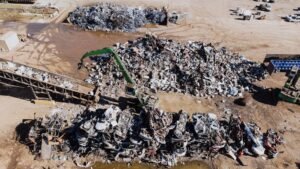
Scrap metal originates from diverse sources across Australia. Manufacturing facilities generate production scrap from stamping, machining, and fabrication processes. Construction and demolition sites produce structural steel, rebar, copper wire, and aluminum window frames. Automotive dismantlers recover steel bodies, aluminum engines, and copper wiring from end-of-life vehicles. Commercial businesses dispose of equipment, appliances, and industrial machinery. Households contribute through scrap metal recycling programs and renovation waste.
Collection occurs through various channels. Some generators have sufficient volumes to work directly with scrap processors, arranging regular pickups of accumulated materials. Smaller generators typically engage local scrap dealers or scrap yards that purchase materials in smaller quantities. Mobile scrap collectors travel designated routes purchasing metal from residential and small commercial sources.
This collection phase already involves pricing negotiations, but generators often lack market knowledge to assess whether offered prices are competitive. A Sydney manufacturer discarding aluminum production scrap might accept quotes from two local dealers without knowing whether Brisbane or Melbourne buyers would pay significantly more, or whether export markets in Asia would value their specific aluminum grade at premium prices.
Step 2: Initial Sorting and Processing
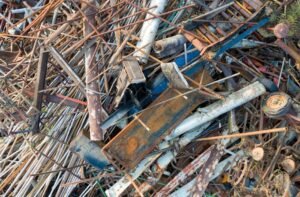
Once collected, scrap typically moves to processing yards where initial sorting occurs. Mixed loads are separated into categories – ferrous versus non-ferrous, different metal types, various grades within each metal. This sorting adds value because separated materials command higher prices than mixed scrap.
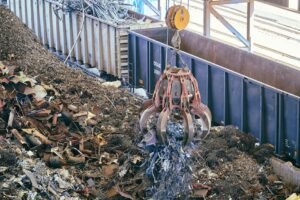
Processing methods vary by material and intended market. Steel scrap might be shredded to uniform size for mill consumption or cut with shears into smaller pieces. Copper wire may be stripped of insulation to produce bare bright copper commanding premium pricing. Aluminum scrap could be sorted by alloy type since different grades serve different manufacturing applications.
The challenge at this stage involves deciding how much processing to perform. Additional processing adds cost but potentially increases selling price. Without clear market intelligence on price differentials between processing levels, yards struggle to optimize this trade-off. A Perth scrap yard processing aluminum might invest in sophisticated sorting equipment to separate alloys if they knew Asian buyers would pay 30% premiums for pure alloy streams, but without this market knowledge, they may simply bale mixed aluminum at lower prices.
Step 3: Finding Buyers and Price Discovery
Traditional buyer discovery relies heavily on established relationships and limited networks. A Melbourne scrap processor typically contacts the same five or six buyers they’ve worked with for years—perhaps local mills, exporters, or larger scrap consolidators. Each buyer provides a quote based on current market conditions, their specific needs, and their assessment of material quality.
This process suffers from severe information limitations. The processor has no visibility into whether dozens of other buyers might pay more. Buyers in other Australian states remain unknown. International buyers willing to pay premiums for specific materials never enter consideration. The processor essentially selects the best option among a tiny subset of the actual market.
Price discovery occurs through these bilateral negotiations with minimal transparency. A buyer quotes $450 per tonne for HMS scrap. Is this a good price? The processor has limited information to judge. Perhaps they check published indices showing national average prices, but these represent broad aggregates that may not reflect their specific material, location, or current market dynamics. Without access to real-time transaction data from the broader market, they cannot confidently assess whether this offer is competitive or if they should hold out for better prices.
Geographic isolation particularly challenges regional Australian scrap businesses. A processor in Townsville faces high transport costs to reach major markets in Sydney or Melbourne. This geographic disadvantage translates into lower local prices when the few accessible buyers know the processor has limited alternatives. However, Asian export markets might be closer than Australia’s east coast cities and might pay better prices, but without export market knowledge and connections, these opportunities remain invisible.
Step 4: Negotiation and Transaction
Once potential buyers are identified and initial quotes received, negotiation begins. This typically involves back-and-forth on price, payment terms, delivery responsibilities, quality specifications, and quantity commitments. Experienced traders navigate these negotiations effectively, but many smaller participants lack negotiating expertise and market knowledge to optimize outcomes.
Payment terms present particular challenges and risks. Sellers prefer advance payment before shipment, but buyers typically want to inspect materials before paying. This creates counterparty risk on both sides. Sellers worry about shipping materials and never receiving payment. Buyers fear paying for materials that arrive below specification or different from what they agreed to purchase.
These risks are particularly acute for new trading relationships or cross-border transactions. A Brisbane exporter shipping copper scrap to an Indonesian buyer faces significant payment risk without established trust or legal recourse mechanisms. This risk often prevents potentially profitable transactions from occurring or requires expensive intermediaries like letters of credit that add costs and complexity.
Step 5: Logistics and Delivery
After agreeing on terms, logistics execution begins. For domestic transactions, this might involve truck transport to the buyer’s facility. The seller arranges pickup or the buyer sends trucks, depending on negotiated terms. Materials are weighed upon loading and again upon delivery, with potential disputes if weights differ significantly.
International shipments add substantial complexity. Export documentation must be prepared including commercial invoices, packing lists, bills of lading, and potentially export permits depending on material types. Freight forwarders must be engaged to handle shipping arrangements, customs clearance, and international transport. Container booking, loading supervision, and port handling all require coordination.
This logistics complexity often deters smaller Australian scrap businesses from accessing export markets even when prices would justify shipping costs. A Adelaide scrap dealer might have materials worth more in South Korea than to any Australian buyer, but without expertise navigating international shipping and export procedures, they sell domestically at lower prices rather than risk the complexities of export.
Step 6: Payment and Transaction Completion
Final payment typically occurs after delivery and quality verification, though terms vary. Domestic transactions often operate on net 30 or net 60 day payment terms for established relationships. New relationships might require cash on delivery or advance payment. International transactions commonly use letters of credit providing security for both parties but adding banking fees and administrative requirements.
Disputes sometimes arise over material quality, quantity, or specifications. Perhaps delivered weights differ from loading weights. Contamination levels exceed agreed limits. Material grades don’t match samples. These disputes can delay payment, require price adjustments, or in extreme cases lead to rejected shipments and legal conflicts.
Without clear documentation standards, dispute resolution proves difficult. “He said, she said” arguments about what was agreed to or what quality was promised create friction and erode business relationships. Many smaller participants simply accept losses rather than pursue disputed amounts because resolution costs exceed disputed values.
The Scrap Trade Australia Revolution: How Digital Platform Trading Works
Scrap Trade Australia fundamentally transforms this traditional process through digital infrastructure that creates transparency, efficiency, and market access impossible through conventional approaches.
Creating Your Account: Getting Started on Scrap Trade
Step 1: Registration and Business Verification
The Scrap Trade journey begins with account creation at scraptrade.com.au or through our Australian regional domains. The registration process is streamlined but thorough, ensuring all platform participants are verified legitimate businesses.
You provide basic business information including company name, ABN (Australian Business Number), business address, primary contact details, and business type (scrap dealer, processor, manufacturer, trader, exporter, etc.). This information helps us understand your role in the scrap ecosystem and tailor platform functionality to your needs.
Business verification follows registration. You submit documentation proving business legitimacy such as ABN registration certificate, business licenses or permits, proof of business address, and identification for authorized personnel. This verification process typically completes within 24-48 hours, much faster than traditional due diligence when establishing new trading relationships.
The verification serves multiple purposes. It ensures all marketplace participants are genuine businesses, not fraudulent actors. It builds trust throughout the community since every user knows their counterparties have been vetted. It also protects sellers and buyers from scams that occasionally plague unregulated scrap markets.
International verification accommodates Australian businesses wanting to trade globally and international businesses seeking to buy from or sell to Australia. The same rigorous standards apply regardless of country, ensuring consistent trust levels across the entire global marketplace.
Step 2: Profile Setup and Preferences
After verification approval, you complete your profile with details that help other users understand your business and facilitate optimal matching. This includes business description explaining your operations, scrap categories you handle (ferrous, non-ferrous, electronic, etc.), typical transaction volumes, geographic service areas, certifications or accreditations (ISO, environmental permits, etc.), and sustainability credentials if applicable.
Preference settings optimize your platform experience. Sellers specify preferred payment terms, minimum order quantities, delivery capabilities (FOB, delivered), and geographic markets of interest. Buyers indicate preferred suppliers (size, location, certifications), procurement volumes and frequencies, quality requirements, and sustainability priorities.
These preferences enable the platform’s intelligent matching systems to identify optimal trading partners and opportunities aligned with your specific needs and capabilities.
Step 3: Understanding Platform Navigation
The Scrap Trade Australia interface is designed for intuitive navigation even for users with limited digital platform experience. The dashboard provides an at-a-glance view of active listings, pending transactions, messages, price alerts, and market intelligence.
The main navigation includes marketplace listings for browsing available scrap or buyer inquiries, your inventory management for sellers to list and manage materials, procurement center for buyers to post requirements and manage purchases, transaction history tracking all platform activity, messaging center for communication with trading partners, market intelligence with real-time pricing data and trends, and account settings for profile and preference management.
Mobile accessibility ensures you can manage scrap trading from anywhere. The full platform functionality is available through mobile browsers, with dedicated iOS and Android apps providing optimized mobile experiences. This mobility proves particularly valuable for field operations—photographing materials at collection sites, responding to offers while traveling, or monitoring market movements away from the office.
For Sellers: Listing and Selling Scrap Metal
Creating Effective Listings
Listing scrap materials on Scrap Trade transforms your inventory from a local yard offering into a globally visible opportunity that thousands of verified buyers can discover and purchase.
The listing process begins with material category selection. You choose from comprehensive categorization including ferrous metals (steel scrap, iron scrap, HMS, stainless steel), non-ferrous metals (aluminum, copper, brass, zinc, lead, nickel), electronic scrap (circuit boards, computer scrap, cable scrap), specialty materials (catalytic converters, battery scrap, motors), and mixed metals.
Each category includes detailed subcategories and grades. For aluminum scrap, you might select extrusions, sheet, UBC (used beverage cans), wheels, or specific alloy grades. For copper, options include bare bright, #1 copper, #2 copper, insulated wire, or copper turnings. This granular classification ensures buyers can precisely find materials matching their specifications.
Material specifications require detailed information that buyers need for informed decisions. This includes quantity (weight in tonnes, pieces, or container loads), current location (suburb, city, state), material form (bales, shredded, loose, cut, whole), quality description and any contamination, available certifications or test results, and loading capabilities at your facility.
High-quality photographs dramatically improve listing effectiveness. The platform allows multiple images showing overall material view, close-ups demonstrating quality and grade, loading and storage conditions, and any unique characteristics. Professional photography isn’t necessary—smartphone photos work fine—but clear, well-lit images that accurately represent material quality help buyers assess suitability and increase inquiry rates.
Pricing strategy involves decisions about how to present your offering. Fixed pricing means you specify an exact price per tonne or per unit, suitable when you have firm price expectations and materials in high demand. Negotiable pricing indicates willingness to discuss pricing based on quantities, delivery terms, or buyer requirements, appropriate for less commodity-grade materials or when market conditions are uncertain. Request quote (RFQ) invites buyers to submit offers without you providing initial pricing, useful when you’re uncertain of market value or want to generate competitive bidding.
The platform provides pricing guidance based on recent transaction data, current market trends, comparable listings, and regional price variations. This intelligence helps you price competitively while maximizing returns. You can see that similar aluminum extrusion scrap recently traded between $2,100-2,300 per tonne in Sydney, helping you set realistic expectations rather than pricing too high and receiving no inquiries or too low and leaving money on the table.
Managing Inquiries and Negotiations
Once listed, your materials become visible to all verified buyers on the platform whose search criteria match your offering. The intelligent matching system also proactively notifies buyers with saved searches or preferences indicating interest in your material type.
Inquiries arrive through the platform’s secure messaging system. Buyers ask questions about material specifications, request additional photos, inquire about payment terms, or propose prices for negotiable listings. All communication occurs through the platform creating documented records of all interactions.
Responding promptly and professionally to inquiries maximizes conversion rates. The platform tracks response times and incorporates them into seller ratings. Buyers prefer responsive sellers who answer questions quickly and provide requested information without delay. Sellers maintaining under 4-hour average response times achieve significantly higher transaction success rates.
Negotiations proceed through structured offer and counteroffer mechanisms. For negotiable or RFQ listings, buyers submit formal offers specifying price, quantity, delivery terms, payment terms, and delivery timeline. You can accept offers immediately if terms are satisfactory, counter with modified terms (higher price, different payment terms, adjusted quantities), or decline if offers don’t meet your requirements.
Multiple simultaneous negotiations are common. Several buyers might inquire about the same materials, allowing you to compare offers and select the most attractive. This competitive dynamic drives prices upward compared to traditional bilateral negotiations with single buyers. When three buyers compete for your copper scrap, each knows they need competitive pricing to win the business, benefiting you through higher realized prices.
The platform facilitates comparison through side-by-side offer analysis tools. You can see all active offers for a listing displayed together with key terms highlighted, making it easy to identify the best overall package considering price, payment terms, delivery requirements, and buyer ratings.
Executing Transactions
When you accept an offer or a buyer accepts your price, the transaction moves to execution phase. The platform generates a digital contract documenting all agreed terms including material specification, quantity, price, delivery terms (FOB, delivered, etc.), payment terms, delivery timeline, quality standards, and dispute resolution procedures.
Both parties review and digitally sign this contract, creating legally binding commitment. The documented terms eliminate ambiguity that causes disputes in traditional trading where handshake deals or verbal agreements lead to misunderstandings about what was actually agreed.
Payment security mechanisms protect both parties. For new relationships or high-value transactions, escrow services hold buyer payment until delivery confirmation and quality acceptance. This ensures sellers receive payment as agreed while giving buyers confidence they can verify material quality before release of funds. For established relationships, the platform supports various payment terms including cash on delivery, net 30, net 60, or custom arrangements, with all terms clearly documented.
Logistics coordination occurs through the platform. If you’re selling FOB (buyer arranges pickup), the buyer schedules pickup times and you confirm availability. If you’re delivering, you coordinate delivery logistics and provide shipment tracking. The platform connects users with verified freight forwarders and transport providers for both domestic and international shipments, simplifying logistics that often complicate traditional scrap trading.
For export transactions, Scrap Trade provides export documentation support including commercial invoice templates, packing list formats, bill of lading preparation guidance, and export permit requirements information. This support lowers the barriers to international trade that prevent many Australian scrap businesses from accessing lucrative export markets.
Quality disputes are minimized through clear specifications and photographic documentation, but when disagreements arise, the platform’s dispute resolution procedures provide structured pathways to resolution. Independent quality inspections can be arranged, price adjustments calculated based on actual versus specified quality, or mediation services engaged for more complex disputes.
Post-Transaction: Ratings and Reputation
After transaction completion, both parties rate each other across multiple dimensions including communication quality, material quality accuracy, transaction smoothness, delivery timeliness, and payment promptness. These ratings build into cumulative reputation scores that future trading partners review when evaluating whether to transact with you.
Strong reputation translates directly into business advantages. Highly-rated sellers receive more inquiries, achieve better prices (buyers pay premiums for reliability), complete transactions faster, and access premium buyers seeking quality suppliers. This creates powerful incentives for professional conduct and quality materials.
The rating system also provides valuable feedback for continuous improvement. If multiple buyers note that your material descriptions don’t quite match delivered quality, you know to provide more conservative descriptions or better photographs. If delivery timing receives negative comments, you can adjust logistics to improve reliability.
For Buyers: Sourcing and Purchasing Scrap Metal
Discovering Available Materials
Buyers access the marketplace through multiple discovery pathways optimized for different sourcing strategies.
Browse and search functionality allows free-form exploration of available materials. You can browse by category (all aluminum scrap, all copper scrap, etc.), filter by location (Victoria only, within 500km of Melbourne, Australia-wide, international), specify quantity ranges (minimum 20 tonnes, maximum 100 tonnes per shipment), set quality requirements (minimum grade specifications, maximum contamination levels), and price range filters.
Advanced search parameters enable highly specific queries. A Melbourne manufacturer seeking “bare bright copper scrap, minimum 95% purity, quantities 10-25 tonnes, located within 300km of Melbourne, seller rating 4.5+ stars, available for delivery within 2 weeks” receives precisely targeted results rather than scrolling through irrelevant listings.
Saved searches automate ongoing discovery. Define your specific requirements once, and the platform continuously monitors new listings, sending notifications when matching materials become available. This ensures you never miss opportunities even when not actively searching the platform.
Market intelligence dashboards provide broader visibility beyond specific listings. See total available inventory by category across Australia and globally, current bid-ask spreads indicating market liquidity, recent transaction prices showing market trends, and regional price variations identifying geographic arbitrage opportunities.
Recommended suppliers leverage platform algorithms analyzing your past transactions, saved searches, and preferences to identify sellers who likely match your needs. Similar to e-commerce recommendation engines, these suggestions help discover suppliers you might not find through keyword searching alone.
Evaluating Suppliers and Materials
When you identify potentially suitable materials, comprehensive information supports evaluation and decision-making.
Seller profiles provide transparency into who you’re considering transacting with including business background and history, transaction volume statistics, reputation ratings from past buyers, certifications and accreditations, sustainability credentials and environmental performance, and geographic locations and capabilities.
Material details include all information sellers provided during listing—specifications, photographs, certifications, quantities, locations, and pricing. You can request additional information or photos if initial listing lacks details needed for your decision.
Comparative analysis tools help evaluate multiple options simultaneously. View listings side-by-side comparing key parameters, calculate total landed costs including transport for different supplier locations, analyze price-quality trade-offs between options, and assess delivery timeframes and logistics complexity.
Supplier ratings and reviews from previous buyers provide crucial insights into reliability and quality. Read detailed reviews describing past buyers’ experiences with delivery timeliness, material quality accuracy, communication professionalism, and problem resolution. Sellers with hundreds of positive reviews and minimal complaints offer much lower risk than unknown sellers with limited transaction history.
Quality verification becomes increasingly sophisticated as materials move through the scrap chain. Test results or certifications sellers provide can be reviewed. For high-value transactions, pre-purchase inspections by third-party services can be arranged. Some sellers offer sample shipments allowing small-scale quality verification before committing to large volumes.
Making Purchases
The purchase process mirrors selling but from the buyer perspective.
For fixed-price listings, you can purchase directly at the listed price if terms are acceptable. Click “Buy Now,” confirm transaction details, and proceed to contract signature. This streamlined process works well for commodity-grade materials where specifications are clear and pricing is competitive.
For negotiable or RFQ listings, submit offers detailing your proposed price, desired quantity (which might differ from full listed quantity), payment terms you prefer, delivery requirements, and any special conditions or requirements. Sellers respond by accepting, countering, or declining your offer.
Competitive bidding mechanisms apply when multiple buyers pursue the same materials. Some sellers enable auction formats where buyers submit escalating bids during specified periods. This competitive process benefits sellers through higher realized prices but also provides buyers price transparency—you see competitor bidding activity and can decide how aggressively to compete.
Bulk procurement tools streamline sourcing for buyers with ongoing needs. Submit standing purchase orders specifying recurring requirements (e.g., “100 tonnes aluminum UBC monthly”), and the platform matches you with sellers capable of consistent supply. Automatic matching means new inventory from qualified sellers generates immediate purchase proposals requiring just your approval rather than continuous manual searching.
Contract execution follows the same documentation and escrow processes described for sellers, protecting buyers through verified delivery, quality confirmation before payment release, and documented terms preventing disputes.
Supply Chain Management
Beyond individual transactions, Scrap Trade supports sophisticated supply chain management for industrial buyers with complex ongoing needs.
Multi-supplier strategies reduce concentration risk by diversifying across geography, material sources, and supplier relationships. The platform facilitates managing dozens of supplier relationships through centralized communication, standardized documentation, and performance tracking—complexity that would overwhelm traditional manual management.
Quality consistency improves through systematic supplier performance monitoring. Track material quality across all shipments from each supplier, identify suppliers with most consistent quality meeting specifications, and adjust sourcing allocations based on performance data. Suppliers consistently delivering on-spec materials earn larger order shares while underperformers receive feedback and opportunities to improve or see reduced business.
Price optimization occurs through continuous market monitoring and strategic timing. Track price trends across different suppliers and regions, identify favorable procurement windows when prices dip, and build inventory during price troughs for use during peaks. The market intelligence the platform provides enables these sophisticated strategies.
Sustainability integration allows buyers to prioritize suppliers with verified environmental credentials. Filter searches by carbon footprint, environmental certifications, responsible sourcing practices, or circular economy participation. This supports corporate sustainability commitments while maintaining supply reliability and cost competitiveness.
Real-Time Market Intelligence: Understanding Scrap Markets
One of Scrap Trade’s most valuable features for both buyers and sellers is comprehensive real-time market intelligence that demystifies scrap pricing and market conditions.
Live Pricing Dashboards
The pricing dashboard displays current market conditions across all major scrap categories. For each material type, you see current bid prices (what buyers are offering), current ask prices (what sellers are requesting), and the bid-ask spread indicating market liquidity. Recent transaction prices show actual executed trades, providing the most reliable pricing benchmarks.
These dashboards update continuously as new listings post, offers are made, and transactions execute. This real-time visibility enables dynamic decision-making impossible with delayed published indices. If you see copper scrap prices spiking in Melbourne, you can immediately adjust your pricing strategy if you’re a seller or accelerate procurement if you’re a buyer, before broader market recognition drives further price changes.
Regional breakdowns show pricing variations across Australian states and major cities. You might see that aluminum scrap trades at $2,200/tonne in Sydney, $2,150/tonne in Melbourne, $2,000/tonne in Perth, and $2,300/tonne in Brisbane. These differentials reveal geographic arbitrage opportunities—buying where prices are lower and selling where they’re higher when differences exceed transport costs.
Price Indices and Benchmarks
Scrap Trade calculates proprietary price indices for major scrap categories based on actual platform transaction data. The Scrap Trade Australia Aluminum Index, Copper Index, Steel Index, and others provide reliable, transparent benchmarks derived from real market activity rather than surveys or estimates.
These indices serve multiple purposes. They guide pricing decisions for both buyers and sellers by providing objective reference points. They support contract pricing for long-term agreements through neutral benchmarks both parties can accept. They enable financial risk management as underlying references for derivatives or hedging instruments. And they support industry analysis and academic research by providing high-quality historical price data.
Index methodologies are fully transparent and documented. Users understand exactly how prices are calculated, what transactions are included, and how data is validated. This transparency builds confidence that indices genuinely reflect market conditions rather than being subject to manipulation or statistical artifacts.
Historical data archives maintain complete transaction histories allowing long-term trend analysis. Chart copper scrap prices over the past year to identify seasonal patterns. Compare current stainless steel pricing to historical averages to assess whether today represents buying or selling opportunities. Analyze how scrap prices correlate with primary metal prices, currency exchange rates, or economic indicators.
Supply and Demand Intelligence
Beyond pricing, the platform provides visibility into supply-demand dynamics that drive price movements.
Inventory monitoring tracks total available material quantities across categories. See how many tonnes of aluminum scrap are currently listed across all Australian sellers, how this compares to historical averages, and whether inventory is building or declining. Rising inventory suggests potential price pressure, while declining stocks indicate tightening markets likely to support higher prices.
Buyer inquiry metrics measure demand intensity. Track how many buyers are actively searching for specific materials, how inquiry volumes trend over time, and whether interest is increasing or declining. High inquiry volumes relative to available supply signal strong demand that supports seller pricing power.
New listings and transaction velocity indicate market activity levels. Active markets with many new listings and rapid transaction completion suggest healthy liquidity. Slow markets with few listings and infrequent transactions indicate caution or uncertainty potentially signaling price volatility.
Regional activity patterns show where market activity concentrates geographically. Perhaps copper scrap markets are particularly active in Queensland due to mining industry activity, while aluminum markets are strongest in Victoria due to manufacturing concentration. Understanding these patterns helps both buyers and sellers identify optimal markets for their specific materials or needs.
Predictive Analytics
Moving beyond current conditions, Scrap Trade provides forward-looking intelligence to support strategic planning.
Price forecasting models analyze historical patterns, current inventory levels, buyer inquiry trends, and external factors (primary metal prices, exchange rates, economic indicators) to project likely price movements over coming weeks and months. While no forecast is perfect, these predictions provide valuable guidance for decisions about when to buy, sell, or hold inventory.
Market opportunity identification highlights situations where supply-demand imbalances create favorable conditions. The system might alert you that stainless steel scrap demand is surging in South Australia while supply remains limited, suggesting excellent selling opportunities for stainless scrap suppliers or urgency for buyers to secure supply before prices rise further.
Seasonal pattern recognition identifies recurring trends that inform planning. If aluminum UBC scrap consistently sees price increases in December-January due to holiday beverage consumption generating increased can scrap, buyers can anticipate this pattern and build inventory earlier when prices are lower.
Custom alerts notify you when specific conditions occur. Set alerts for copper scrap prices falling below $8,000/tonne in New South Wales, aluminum scrap inventory levels dropping below 500 tonnes in Victoria, or buyer inquiry volumes for steel scrap increasing more than 20% week-over-week. These targeted notifications ensure you never miss significant market developments.
Building Long-Term Success on Scrap Trade
While individual transactions matter, the platform’s greatest value emerges through sustained participation that builds business momentum over time.
Reputation and Trust Building
Your platform reputation evolves through consistent professional conduct across many transactions. Each successful transaction adds positive ratings. Prompt communication adds points. Material quality matching descriptions earns praise. Reliable delivery timing builds trust.
Over time, this accumulation transforms into substantial competitive advantages. New buyers checking your profile see hundreds of successful transactions and overwhelmingly positive reviews. They feel confident transacting with you despite never having worked together previously because the platform verification and community feedback provide trust that would take months or years to build through traditional relationship development.
This reputation becomes a business asset with tangible value. Highly-rated sellers can command premium prices because buyers pay for reliability. Procurement managers explain to their management that they’re paying slightly above market average because this particular supplier has a 4.9-star rating across 500 transactions with zero quality disputes—a compelling risk mitigation argument.
Your reputation also expands your addressable market. International buyers who would never discover or trust an unknown Australian scrap dealer will confidently purchase when platform verification and ratings demonstrate credibility. Your business effectively scales beyond geographic limitations that traditionally constrained growth.
Network Effects and Growing Opportunities
As your transaction volume increases, network effects create accelerating opportunities. The platform’s matching algorithms learn your business patterns and increasingly recommend optimal opportunities. Buyers you’ve successfully worked with return for repeat business. Your saved searches become more refined, capturing precisely the opportunities you seek.
Repeat customer relationships develop naturally through platform interactions. A Japanese buyer who purchased aluminum scrap from you six months ago checks the platform when they need more material—your name appears in their transaction history and they directly contact you rather than searching broadly. These repeat relationships reduce transaction friction and acquisition costs while building predictable revenue streams.
Referrals occur within the platform ecosystem. A satisfied buyer in Melbourne might recommend you to their industry colleague in Sydney who’s searching for copper scrap suppliers. While you never meet this colleague, the platform’s rating system and verified transaction history provide credibility that converts the referral into new business.
Diversification happens organically as you expand into new material categories or geographic markets. Perhaps you initially focused solely on aluminum scrap sales in Victoria. As you build platform expertise and reputation, you tentatively explore copper scrap, discover strong demand and good pricing, and add it to your offerings. You notice inquiry from South Australia and start servicing that market. Your business naturally diversifies through low-risk platform-facilitated expansion.
Data-Driven Improvement
The platform generates comprehensive data about your trading activity that supports continuous business improvement.
Transaction analytics show your sales patterns including average sale prices by material category, typical transaction volumes, seasonal patterns in your activity, and buyer geographic distribution. This visibility enables strategic decisions about which materials to emphasize, whether to invest in additional processing capabilities, and how to optimize inventory management.
Pricing performance analysis compares your realized prices to market benchmarks. Are you consistently achieving above-market prices suggesting effective positioning and quality materials? Or do your prices lag the market indicating need for better material selection, processing, or marketing? This objective performance measurement replaces guesswork with data-driven insight.
Buyer relationship metrics identify your most valuable customer relationships. Which buyers purchase most frequently? Who pays the best prices? Who is easiest to work with? This intelligence guides relationship investment—spending more time servicing and retaining top-tier customers while potentially reducing effort on low-value relationships.
Conversion analysis tracks inquiry-to-transaction ratios. If you’re generating many inquiries but few sales, perhaps your pricing is uncompetitive, material descriptions need improvement, or communication responsiveness is insufficient. If inquiry volume is low, maybe listing quality needs enhancement or you’re targeting wrong material categories. These metrics guide specific improvement actions.
Strategic Business Development
Beyond transactional benefits, Scrap Trade participation supports broader strategic business initiatives.
Market expansion becomes feasible with platform support reducing risk and complexity. A Queensland scrap dealer considering expansion into New South Wales can test the market through platform listings without establishing physical presence, hiring sales staff, or making major capital commitments. If NSW listings generate strong response and profitable transactions, physical expansion becomes justified. If results are lukewarm, you’ve discovered this through low-risk testing rather than expensive failure.
Vertical integration opportunities become visible through supply chain transparency. A processor purchasing feedstock through the platform might identify collection opportunities when they see generators selling materials you could collect more efficiently. Conversely, you might identify buyers who consistently purchase what you sell, suggesting possible direct relationships or even acquisition opportunities.
Export market development, traditionally requiring extensive international relationship building, becomes accessible through the platform’s global network. List materials on Scrap Trade, receive inquiries from Asian buyers, complete your first international transactions with platform support for documentation and payments, and gradually build export capabilities that diversify revenue and often improve pricing compared to domestic sales.
Sustainability leadership can be demonstrated through verified credentials on your profile. As environmental considerations increasingly influence sourcing decisions, documented low-carbon processing, environmental certifications, or circular economy participation differentiates you from competitors and accesses premium pricing from sustainability-focused buyers.
Maximizing Value: Best Practices for Australian Scrap Traders
Success on Scrap Trade requires more than simply creating an account and listing materials. Following best practices maximizes the value you extract from platform participation.
For Sellers: Optimizing Listings and Sales
Professional photography significantly impacts inquiry rates and pricing. Take clear, well-lit photos from multiple angles showing material condition, quality, and quantity. Include close-ups demonstrating grade characteristics. Clean and organize materials before photographing when possible—neat, well-presented materials convey professionalism that buyers value.
Accurate, detailed descriptions prevent misunderstandings and disputes. Specify exact material types, grades, forms, and any contamination honestly. If material contains 2% contamination, state this clearly rather than claiming “clean” material and facing buyer disappointment and disputes. Honest description builds trust and generates appropriate inquiries from buyers whose requirements actually match your materials.
Competitive but profitable pricing requires market research using platform intelligence. Check recent transaction prices for comparable materials, review current listings to understand competition, and consider your costs and required margins. Price aggressively enough to attract serious buyers but not so low you leave money on the table. Remember that slightly higher pricing from a highly-rated seller often wins over lowest-price options from unknown sellers.
Responsive communication makes enormous difference. Reply to inquiries within hours, not days. Answer questions thoroughly and professionally. Provide requested additional information or photos promptly. Buyers often pursue multiple potential suppliers simultaneously—being first to respond and most helpful frequently wins business even if not offering lowest price.
Flexible terms within reason increase transaction success. If a buyer requests net 30 payment terms and you typically require advance payment, consider compromising for buyers with strong platform ratings. If someone wants 30 tonnes but you listed 50 tonnes, discuss partial sales rather than insisting on all-or-nothing. Reasonable flexibility increases deal completion while protecting your interests through platform mechanisms.
For Buyers: Strategic Sourcing and Procurement
Clear requirement specifications improve matching quality. When creating saved searches or submitting RFQs, be specific about material grades you require, acceptable contamination levels, required certifications, minimum and maximum quantities, and delivery requirements. Precise specifications generate targeted relevant results rather than broad searches requiring extensive filtering.
Supplier diversification reduces risk while maintaining quality and pricing standards. Avoid depending on single suppliers even if they’re excellent. Maintain relationships with multiple verified suppliers for critical materials so disruptions from any individual don’t halt your operations. The platform makes managing multiple suppliers administratively simple.
Quality verification through platform tools and external resources ensures material specifications match needs. Review seller ratings and reviews carefully. For high-value purchases, consider pre-purchase inspections or sample shipments. Build relationships with suppliers whose materials consistently meet specifications based on actual experience.
Negotiation within market context maximizes value. Platform pricing data shows you what represents fair market pricing. Don’t waste time with extreme lowball offers that insult sellers and won’t be accepted. Instead, make competitive offers with slight discounts justified by your purchase volume, prompt payment, or other value you provide. Reasonable negotiations succeed while unreasonable ones fail.
Long-term relationship development benefits both parties. When you find excellent suppliers, give them repeat business, pay promptly, and communicate professionally. They’ll prioritize your orders, accommodate special requests, and possibly provide preferential pricing for valued customers. Platform tools support these relationships through direct messaging, transaction history, and streamlined repeat purchasing.
Universal Best Practices
Platform engagement with community strengthens your network. Participate in platform forums or discussion areas if available. Share insights or assistance with other users building goodwill. Attend platform-organized industry events or webinars connecting online relationships with face-to-face networking.
Continuous learning about materials, markets, and platform features maintains competitive edge. Read platform-provided market intelligence reports. Study price trends and supply-demand dynamics. Learn about new materials or grades you don’t currently handle. Explore platform features you haven’t used. Expertise compounds over time providing increasing advantages.
Documentation maintenance creates clear records preventing disputes. Save all platform communications, contracts, and transaction records. Photograph materials at loading and delivery. Maintain weight tickets and quality test results. These records protect your interests if disagreements arise while demonstrating professionalism.
Professionalism in all interactions builds reputation. Treat all counterparties respectfully even when frustrated. Communicate clearly and honestly. Honor commitments completely. Address problems proactively rather than avoiding them. Reputation accumulated through consistent professionalism becomes invaluable over time.
The Australian Scrap Trade Advantage: Why Scrap Trade Matters for Australian Businesses
Australian scrap businesses face unique challenges and opportunities that Scrap Trade specifically addresses.
Overcoming Geographic Distances
Australia’s vast geography traditionally created significant market friction. Perth businesses struggled to access Sydney or Melbourne buyers economically. Regional Queensland scrap yards couldn’t justify shipping costs to southern markets. This geographic isolation often meant accepting lower local prices from the few accessible buyers.
Scrap Trade’s digital infrastructure eliminates information barriers while maintaining realistic logistical considerations. A Perth seller can discover Melbourne buyers willing to pay prices that justify cross-country shipping. A Townsville processor can connect with Asian export markets often closer than major Australian cities. You still face transport costs, but now you have visibility into whether price differentials justify shipping.
The platform’s logistics tools further reduce friction. Connect with verified freight forwarders offering competitive interstate and international shipping. Access container booking for export shipments. Coordinate delivery scheduling efficiently. While geography remains physical reality, digital tools dramatically reduce the economic penalty of distance.
Accessing Export Markets
Australian scrap exports represent significant value, but many businesses, particularly smaller operators, have historically been excluded from export opportunities due to complexity, documentation requirements, and relationship barriers.
Scrap Trade opens export markets to businesses of all sizes. The platform connects you with verified international buyers from 12+ countries. Export documentation support guides you through commercial invoices, packing lists, and bills of lading. Payment security through escrow or letters of credit reduces international payment risk. This support enables businesses that never previously exported to access often premium international pricing.
Regional dynamics particularly favor Australian exporters to Asia. Geographic proximity means lower shipping costs to major Asian markets than to Europe or North America. Growing Asian manufacturing creates robust scrap demand. Scrap Trade’s presence across multiple Asian markets facilitates these natural trade flows, helping Australian businesses capitalize on geographic advantages.
Navigating Small Market Dynamics
Australia represents a relatively small scrap market compared to USA, China, or Europe. This smaller scale traditionally meant fewer buyers, less price competition, and less market transparency. Dominant players could exercise significant market power.
Global platform participation dramatically changes these dynamics. Australian sellers aren’t limited to domestic buyers—international demand from thousands of buyers creates competition driving prices upward. Australian buyers access global supply beyond limited domestic sources. The market effectively expands from Australian geographic boundaries to global scope, transforming competitive dynamics in sellers’ favor.
Price transparency similarly reduces market power concentration. When all participants see current pricing across markets, buyers cannot lowball sellers claiming this represents fair market value when international markets would pay more. Information symmetry creates fairer, more competitive markets.
Supporting Sustainable Practices
Australian businesses increasingly face sustainability pressures from corporate customers, export markets, and government regulations. Demonstrating environmental credentials provides competitive advantages and market access.
Scrap Trade’s sustainability verification infrastructure supports Australian businesses meeting these requirements. Document carbon footprints, environmental certifications, and responsible sourcing practices through ScrapPassport integration. Access buyers specifically seeking verified sustainable materials willing to pay documented premiums. Position your business ahead of emerging regulatory requirements around embodied carbon and circular economy reporting.
Export markets particularly value sustainability credentials. Asian buyers serving manufacturers with strict environmental sourcing policies seek verified low-carbon scrap. European buyers need documented material provenance for circular economy compliance. Australian sellers with robust sustainability documentation access these premium markets through Scrap Trade.
Getting Started: Your Action Plan for Scrap Trade Success
Understanding how Scrap Trade works is the foundation—now it’s time to translate knowledge into action.
Week 1: Account Setup and Exploration
Begin by visiting scraptrade.com.au and creating your account. Complete the registration form with accurate business information. Gather and submit required verification documents—ABN registration, business licenses, and identification. Verification typically completes within 48 hours.
While awaiting verification approval, explore the platform. Browse marketplace listings to see available materials and pricing. Review buyer inquiries to understand demand. Study price intelligence dashboards to learn current market conditions. Familiarize yourself with navigation, features, and tools before beginning active trading.
Complete your profile thoroughly. Write a comprehensive business description. Specify all scrap categories you handle. Add certifications and capabilities. Upload your company logo. A complete, professional profile generates significantly more inquiries than sparse profiles.
Week 2-4: Initial Transactions
Start with modest trial transactions to build experience and confidence. Sellers might list smaller quantities of materials to test market response, pricing, and buyer interaction. Buyers could make initial purchases of non-critical materials where quality variances won’t disrupt operations.
These early transactions build platform familiarity while limiting risk. You’ll learn the transaction process, communication workflows, documentation requirements, and payment mechanisms through real experience without betting significant values on untested processes.
Use early experiences to refine your approach. If listings generate little interest, adjust pricing, improve descriptions, or enhance photos. If you’re buying and materials arrive below expectations, strengthen your quality verification process. Learn and adapt based on actual results.
Month 2-3: Scaling Activity
As comfort and confidence build, expand activity levels. Sellers increase listing quantities and frequencies. Buyers shift larger portions of procurement to the platform. Transaction volumes grow as you experience the value platform trading delivers.
Develop preferred trading partners through repeat business with users whose materials, pricing, and reliability meet your needs. These relationships streamline future transactions while maintaining the competitive pricing and transparency platform trading provides.
Explore advanced features you haven’t yet used. Try auction mechanisms if you’ve only done fixed-price transactions. Set up automated saved searches if you’ve been manually browsing. Integrate your inventory management systems with platform APIs for seamless operations.
Month 4+: Strategic Optimization
After several months of active participation, analyze your results comprehensively. Review transaction histories identifying your most profitable materials, best pricing periods, and optimal buyer or supplier relationships. Use this analysis to optimize material focus, timing strategies, and relationship investments.
Expand into new categories or markets where data suggests opportunities. Perhaps aluminum scrap has performed particularly well—consider increasing aluminum processing capacity. Maybe international transactions delivered better pricing—explore additional export markets.
Leverage your accumulated reputation for business growth. With strong ratings from dozens or hundreds of transactions, you can confidently pursue larger deals, premium buyers paying for reliability, and new market segments that wouldn’t engage with unknown operators.
Conclusion: The Future of Australian Scrap Trading is Digital
The transformation of Australian scrap trading from opaque, relationship-based, geographically limited markets to transparent, technology-enabled, globally connected markets is well underway. Scrap Trade Australia leads this evolution, providing the digital infrastructure that makes modern scrap trading accessible to businesses of all sizes.
Traditional scrap trading served the industry adequately for decades, but its limitations—information asymmetries, limited market access, geographic barriers, counterparty risks, and pricing opacity—increasingly constrain business growth and profitability in today’s connected, data-driven economy.
Digital platform trading addresses these limitations fundamentally. Transparent pricing based on real market data replaces guesswork. Global marketplace access transcends geographic boundaries. Verified participant networks reduce counterparty risks. Efficient matching connects optimal trading partners. These advantages translate directly into better pricing, reduced costs, improved efficiency, and business growth for both buyers and sellers.
The question for Australian scrap businesses is not whether to adopt platform trading, but when. Early adopters already realize competitive advantages through better market access, superior pricing intelligence, and operational efficiency. As network effects strengthen—each additional participant making the platform more valuable for all users—the advantages of early participation compound while late adopters face increasing competitive disadvantages.
Whether you’re a small scrap dealer in regional Australia seeking better prices for your materials, a mid-sized processor looking to expand geographically or into new categories, a large industrial buyer optimizing procurement costs, or an export trader accessing international markets, Scrap Trade provides the infrastructure, intelligence, and network to achieve your goals more effectively than traditional approaches.
The Australian scrap industry’s future is digital, transparent, globally connected, and sustainability-focused. Scrap Trade makes this future accessible today.
Ready to trade smarter and more profitably?
Create your free verified account at scraptrade.com.au
Contact our Australian team:
- General Inquiries: info@scraptrade.com.au
- New Accounts: admin@scraptrade.com.au
- Customer Support: cs@scraptrade.com.au
- Technical Help: techsupport@scraptrade.com.au
Join thousands of Australian scrap traders already benefiting from platform trading. Your next best deal is waiting.
Scrap Trade Online is operated by MOBEIUS TECHNOLOGIES PTY LTD (ABN: 49 693 656 932, ACN: 693 656 932), an Australian-registered company revolutionizing scrap metal trading through digital innovation. We serve the global scrap trading community through 145+ domains across 12+ countries while maintaining strong Australian roots and commitment to the Australian scrap industry’s growth and success.