

Navigating the complex landscape of industrial recycling requires a clear understanding of the market. When looking for Plastic Scrap Buyers – Sell PET, HDPE & LDPE Scrap, businesses and individuals must prioritize quality control and logistical efficiency. Australia’s recycling sector has evolved significantly, moving toward a circular economy where high-quality polymers are in constant demand by manufacturers. Whether you are a factory manager looking to offload industrial waste or a recycling center operator, knowing how to value and sell your plastic is essential for profitability.
Understanding the Plastic Scrap Market in Australia
The Australian plastic recycling market is driven by the demand for post-consumer and post-industrial resin. PET (Polyethylene Terephthalate), HDPE (High-Density Polyethylene), and LDPE (Low-Density Polyethylene) represent the most traded commodities. When you decide to sell plastic scrap, you are entering a market where purity is the primary determinant of price. Contamination—such as paper labels, food residue, or mixed polymers—can drastically reduce the value of your shipment.
For those looking for Plastic Scrap Buyers – Sell PET, HDPE & LDPE Scrap, it is crucial to understand that buyers are not just looking for volume; they are looking for consistent streams of high-grade material. If you have significant quantities of manufacturing waste, you should Sell Surplus Manufacturing Scrap Direct To Buyers to cut out unnecessary middlemen and improve your margins. The process of finding a reliable scrap dealer involves vetting their capabilities to handle, process, and transport the specific volume you generate.
How to Prepare Your Plastic for Sale
Preparation is the most critical step in ensuring you get the best price for your materials. Buyers in the plastic industry have strict specifications. PET, often found in beverage bottles, must be separated from HDPE caps and labels. If you want to master the process, read our detailed guide on Pet Bottle Scrap Buyers How To Sell And Recycle Pet Plastic Efficiently. The more you can streamline your sorting process, the more attractive your scrap becomes to high-end processors.
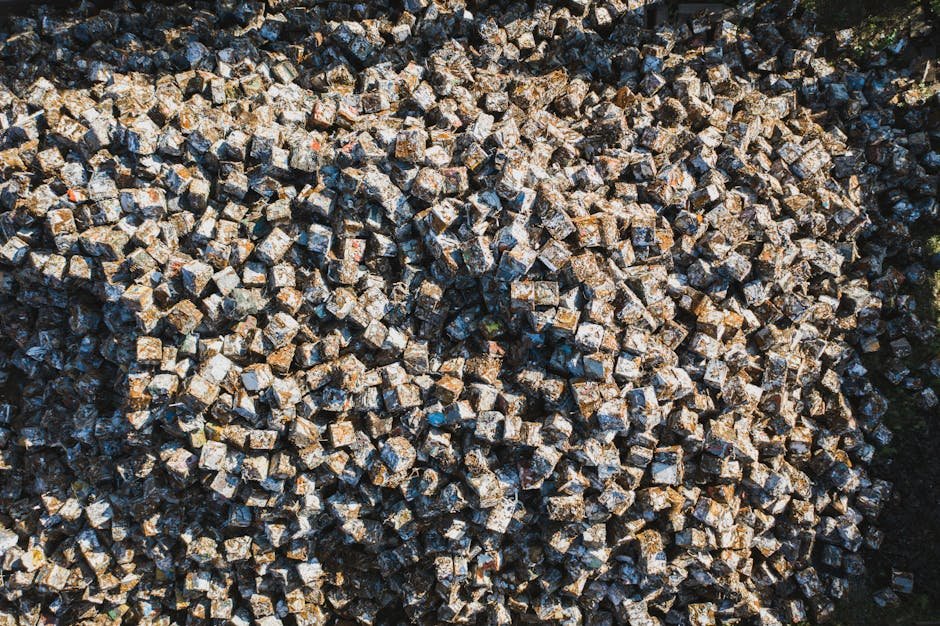
For LDPE, which is commonly found in shrink wrap and agricultural films, moisture content is a major factor. If the plastic is wet or heavily soiled, the weight-to-value ratio drops. Always store your scrap in a dry, covered area. When you are ready to move your inventory, you can how to sell pet bottle scrap by following industry-standard baling practices. Baling your plastic not only saves on transport costs but also makes your load more appealing to a professional metal buyer or plastic recycler who handles mixed-material logistics.
Identifying Trusted Buyers and Market Pricing
Finding trusted dealers is a challenge for many businesses. In Australia, the industry is regulated, and legitimate buyers will have the necessary environmental certifications. When searching for where to sell, prioritize companies that provide transparent pricing models. You can often find reliable Australian recyclers by utilizing digital platforms that connect generators of waste directly with industrial consumers. This transparency helps you get paid fairly for your efforts.
Pricing for plastic scrap fluctuates based on global oil prices and local demand. To ensure you receive the best price, track market trends and avoid selling to opportunistic buyers who offer low rates without explaining the grading process. If you have consistent, high-volume waste, consider long-term supply contracts. You can also Sell Surplus Manufacturing Scrap Direct To Buyers 2 to establish these relationships early, ensuring a steady revenue stream for your company.
Logistics and Documentation: What You Need to Know
When you prepare to get paid for your scrap, documentation is vital. Buyers will require a Certificate of Origin or a declaration of material purity. This is especially true for international exports or large-scale industrial transactions. As a seller, you must maintain records of the material type, the weight (certified weighbridge tickets are preferred), and the date of collection.
If you are wondering where to find reliable logistics partners, many scrap buyers offer collection services as part of their package. However, ensure that the cost of transport is factored into your net profit. In some cases, it is more profitable to transport the material yourself if you have the infrastructure. Always verify that your chosen scrap dealer complies with Australian EPA regulations, as improper disposal of plastic waste can lead to significant legal liabilities for the generator.
Maximizing Profitability: Tips for Sellers
To maximize your returns, treat your waste as a product. The cleaner and more uniform your plastic, the higher the price you can demand. For example, clear PET is significantly more valuable than colored PET. Similarly, natural HDPE (translucent) fetches a premium over colored HDPE. By segregating your streams at the source—the factory floor or the collection point—you eliminate the need for costly secondary sorting.
Furthermore, engage with the market regularly. Don’t wait for your storage area to overflow before looking for Plastic Scrap Buyers – Sell PET, HDPE & LDPE Scrap. Developing a relationship with a buyer when you have a small amount of material allows you to test their reliability and payment terms before scaling up. Use digital marketplaces to compare offers from multiple buyers, ensuring you are always receiving the best price available in the current economic climate.
Sustainability and the Future of Plastic Recycling
The push for a circular economy in Australia is stronger than ever. Many companies are now looking to incorporate recycled content into their packaging, creating a high demand for high-quality recycled pellets. As a seller of scrap, you are a vital link in this chain. By providing clean, well-sorted material, you enable the manufacturing sector to reduce its reliance on virgin plastics, which are derived from fossil fuels.
When you get paid for your scrap, you are not just liquidating waste; you are participating in a sustainable business model. The industry is shifting toward full traceability, where buyers want to know exactly where the plastic came from. Keeping detailed records will make you a preferred supplier for large-scale recyclers who prioritize ethical and sustainable sourcing. This level of professionalism will differentiate you from other suppliers and grant you better bargaining power in the long run.
Common Pitfalls to Avoid
One of the biggest mistakes sellers make is mixing different types of polymers. If you mix PET with HDPE, the entire load may be rejected, or you may be paid at the lowest common denominator rate. Always use clear labeling and dedicated collection bins for each plastic type. Another pitfall is the inclusion of non-plastic contaminants like metal screws, wood, or paper. While some metal buyer operations may handle mixed waste, dedicated plastic recyclers will often penalize you heavily for contamination.
Finally, avoid the trap of selling to unverified buyers who promise cash for scrap without providing a proper paper trail. In the modern regulatory environment, you need proof of recycling to satisfy your own ESG (Environmental, Social, and Governance) reporting requirements. Always prioritize trusted dealers who operate with integrity and provide professional invoices and payment receipts. This ensures that your business remains compliant while you successfully sell plastic scrap to the right outlets.
Conclusion: Taking the Next Steps
Successfully navigating the plastic scrap market requires diligence, organization, and the right partnerships. By understanding the specific needs of Plastic Scrap Buyers – Sell PET, HDPE & LDPE Scrap, you can transform your waste management from a cost center into a reliable revenue stream. Whether you are dealing with PET bottles, HDPE containers, or LDPE film, the principles of cleanliness, sorting, and transparency remain the same. Start by auditing your current waste generation and identifying the most valuable streams. Then, connect with verified buyers through established networks to secure the best price for your materials. The path to a profitable recycling strategy is built on consistency and quality—start today by optimizing your processes and choosing the right partners in the Australian recycling ecosystem.
Related: sell plastic scrap
Frequently Asked Questions
What is the most important factor when selling plastic scrap?
Purity is the most important factor. Ensuring your plastic is free from contaminants like paper, labels, and other polymer types will secure the best price.
How do I find trusted plastic scrap buyers in Australia?
You can find trusted buyers by using online platforms like scrap.trade, which connect sellers with verified industrial recyclers who adhere to Australian environmental standards.
Do I need special documentation to sell plastic scrap?
Yes, you should maintain records of the material type, weight (via weighbridge tickets), and the buyer’s details to ensure compliance and proper ESG reporting.
Is there a difference in price for different types of plastic?
Yes, pricing varies significantly based on the polymer type (PET, HDPE, or LDPE) and the color or clarity of the material, with clear or natural resins usually fetching higher prices.