
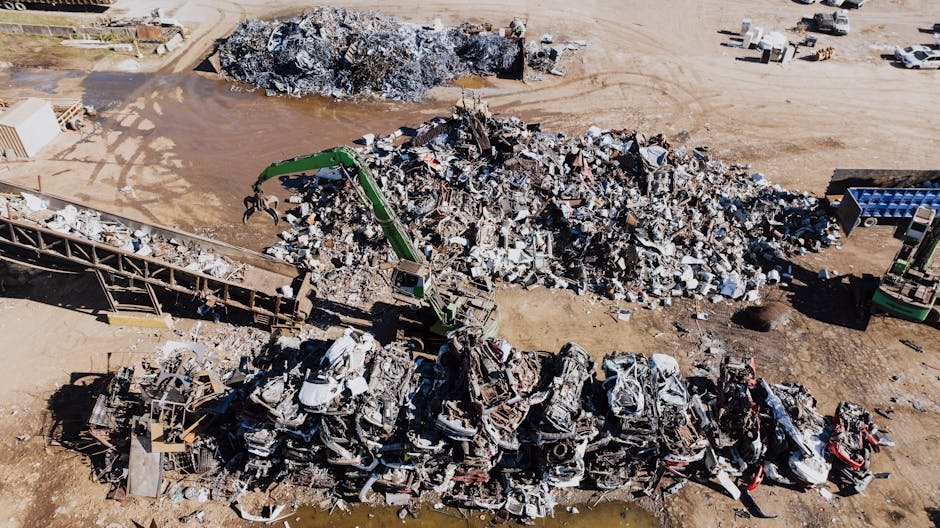

Navigating the landscape of a Scrap yard Sydney / Melbourne / Brisbane / Perth requires a deep understanding of how the metal recycling industry functions across Australia’s major urban centers. Whether you are a tradesperson in the inner suburbs or a manufacturing facility manager in the Melbourne metro area, understanding the lifecycle of your waste metal is key to unlocking its financial and environmental value. This guide serves as your authoritative resource for identifying the right metal recycler, understanding complex metal grades, and optimizing your returns.
The Role of the Modern Scrap Yard in the Australian Economy
The metal recycling industry is a cornerstone of the circular economy in Australia. When you visit a local facility, you are participating in a global supply chain that transforms raw waste into high-value industrial commodities. A reputable Zores Scrap Yard Your Trusted Destination For Scrap Metal acts as a bridge between the generator of scrap—be it construction sites, automotive workshops, or household clean-outs—and the smelters that produce new metal. In cities like Melbourne, VIC, the density of industry means that recycling depots play a critical role in managing the waste footprint of the state of Victoria.
For those looking to move large quantities of industrial material, finding a reliable Heavy Steel Scrap Buyer Sydney Melbourne Brisbane Perth is essential. These buyers provide the logistics, heavy lifting, and competitive pricing required to move tons of material efficiently. By choosing to recycle rather than landfill, businesses significantly reduce their carbon footprint, as the energy required to recycle aluminum, for instance, is approximately 95% less than producing it from virgin ore.
Understanding Metal Grades: Ferrous vs. Non-Ferrous
To maximize your profit at any Scrap yard Sydney / Melbourne / Brisbane / Perth, you must distinguish between the two primary categories of scrap: ferrous and non-ferrous. Ferrous metals contain iron and are magnetic. This category includes steel, iron, and stainless steel. Because these metals are abundant, they are typically traded in higher volumes at lower individual price points. If you are searching for a scrap metal yard sydney, you will find that heavy steel, structural beams, and automotive scrap make up the bulk of their intake.
Non-ferrous metals, on the other hand, do not contain iron and are non-magnetic. These are the “gold” of the recycling world. Copper, brass, aluminum, lead, and zinc fall into this category. Because these metals are more difficult to mine and refine, they command significantly higher prices. When you visit a metal scrap yard sydney, you should always separate your copper wiring from your aluminum cans to ensure you are paid the correct grade price. Mixing grades can lead to a lower “mixed scrap” price, which is significantly less profitable than selling sorted, clean material.
How the Recycling Process Works: From Walk-in to Smelter
The journey of a piece of scrap metal is fascinating. Once you arrive at a walk-in facility, your material is weighed on certified industrial scales. Transparency in weighing is the hallmark of a professional metal recycler. After weighing, the material undergoes sorting. Large pieces of steel are sheared or torch-cut, while non-ferrous metals are often shredded to remove contaminants like plastic or rubber insulation from copper wires.
In the Melbourne metro area and across other major hubs, advanced technology like X-ray fluorescence (XRF) analyzers is used to identify the exact chemical composition of alloys. This ensures that the material meets the strict quality requirements of global smelters. Once processed, the metal is baled or compacted into dense cubes for efficient transport to refineries. This systematic approach is why it is vital to choose a facility that understands the nuances of global commodity markets. For a deeper dive into the economics of these transactions, read our Scrap Yard Vs Online Scrap Marketplace Profit Comparison.
Maximizing Your Returns: Tips for Tradespeople and Businesses
If you are operating in the construction or demolition sectors in Victoria or elsewhere, your scrap metal is a revenue stream, not a waste cost. To ensure you get the best price, follow these industry-standard practices:
- Keep it Clean: Remove as much non-metal debris as possible. Plastic, wood, and concrete attached to metal will lower your grade and your payout.
- Sort at the Source: Don’t wait until you get to the yard. Separate your brass fittings from your copper piping and your aluminum extrusions from your steel sheets on-site.
- Know the Market: Metal prices fluctuate daily based on the London Metal Exchange (LME). Check current market trends before offloading large quantities.
- Build a Relationship: If you are a recurring generator of scrap, speak to the yard manager about a commercial contract. Regular suppliers often receive better rates and priority service.
For more information on how to manage your scrap logistics, visit Australia’s leading scrap metal directory to find verified facilities near you.
Environmental Benefits and Sustainability
Beyond the financial incentives, recycling is an environmental imperative. The extraction of virgin ore is one of the most energy-intensive and ecologically damaging industries on the planet. By recycling, we reduce the need for open-cut mining and the subsequent destruction of habitats. Furthermore, the recycling process requires significantly less water and produces fewer greenhouse gas emissions compared to primary production.
In the context of Australian urban centers, local recycling depots help divert thousands of tons of material from landfills annually. This is particularly important in the inner suburbs of cities like Melbourne, where land is at a premium and waste management is a major municipal concern. By selling to a local yard, you are contributing to a cleaner, more sustainable future for your community.
Compliance, Safety, and Regulations
Operating a scrap yard in Australia is subject to strict environmental and safety regulations. Reputable yards must adhere to EPA standards regarding the handling of hazardous materials, such as lead-acid batteries or fluids found in automotive scrap. When choosing a yard, ensure they are fully licensed and compliant with state-specific regulations, such as those governed by the Environment Protection Authority in Victoria. Safety is paramount; always wear high-visibility clothing and steel-capped boots when visiting a yard, and follow all instructions provided by the site staff to ensure a safe transaction.
The Future of Metal Recycling
As we move toward a more sustainable future, the scrap industry is evolving. We are seeing increased investment in automated sorting technologies and a greater focus on traceability. The ability to track the origin of recycled metal is becoming increasingly important for manufacturers who have ESG (Environmental, Social, and Governance) targets to meet. The modern scrap yard is no longer just a place to dump waste; it is a high-tech facility that provides the raw materials for the green energy transition, including the copper needed for electric vehicles and the steel required for wind turbine foundations.
Conclusion: Choosing the Right Partner
Whether you are a hobbyist with a small pile of copper or a large-scale construction firm with tons of steel, the choice of your recycling partner matters. A professional facility will offer fair pricing, transparent weighing, and expert advice on how to maximize your returns. By understanding the grades, preparing your material, and choosing a reputable partner, you ensure that your scrap metal contributes to both your bottom line and the health of the planet. Remember that every kilogram of metal recycled is a step toward a more efficient, circular economy for Australia. Start your journey today by connecting with a trusted local yard and making recycling a standard part of your operational workflow.
Related: Zores Scrap Yard Your Trusted Destination For Scrap Metal
Frequently Asked Questions
How do I know what my scrap metal is worth?
Scrap metal prices fluctuate daily based on global commodity markets like the London Metal Exchange. You should check the current rates for specific grades, such as copper, aluminum, or steel, and contact your local yard for their current buy prices.
Why is it important to separate my scrap metal?
Separating your metals ensures that you are paid for the highest grade possible. Mixing high-value non-ferrous metals like copper with low-value ferrous metals like steel will result in you being paid the lower mixed-scrap rate.
Can I bring scrap metal to a yard as an individual?
Yes, most professional scrap yards offer walk-in services for the general public and tradespeople. Ensure you have a valid photo ID, as many yards are legally required to record the details of sellers to prevent the trade of stolen goods.
What happens to the metal after I sell it?
Once sold, the metal is sorted, processed, and often shredded or baled. It is then sold to refineries and smelters, where it is melted down and turned into new industrial products, completing the recycling loop.