
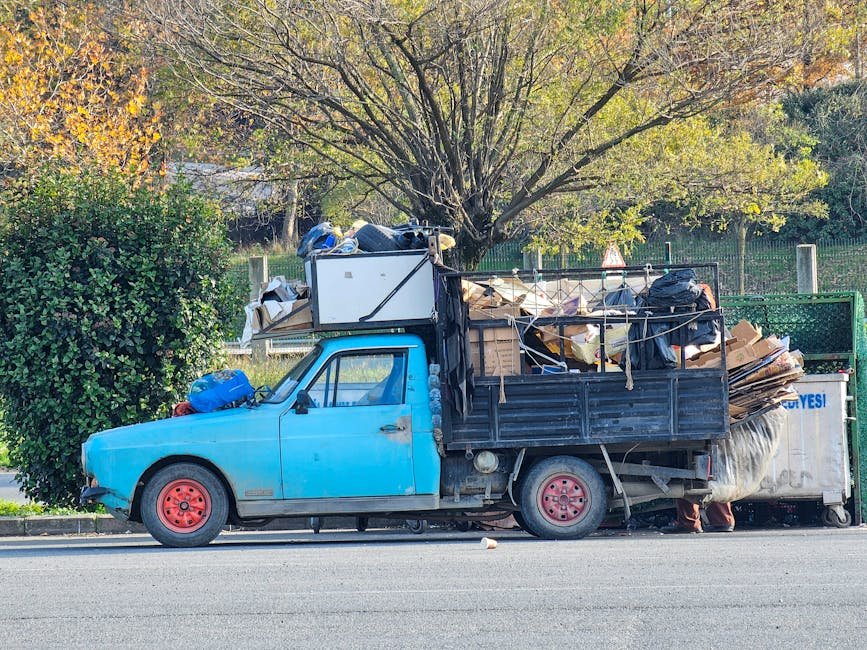

Navigating the complexities of Hard rubbish collection Australia requires a strategic approach to ensure waste is diverted from landfill and managed sustainably. As urban density increases across major cities, the demand for efficient bulky waste disposal has surged, making it essential for households and businesses to understand their options. Whether you are clearing out a property or managing industrial waste, knowing the local regulations and recycling opportunities is key to responsible disposal.
Understanding the Hard Rubbish Landscape in Australia
In Australia, the responsibility for managing bulky waste is split between local government councils and private enterprises. Most residents are familiar with the council-provided annual or biannual bulk waste collection, but this often lacks the nuance required for high-value materials like scrap metal. When dealing with large appliances, whitegoods, or industrial machinery, relying solely on standard council pick-ups can be a missed opportunity for resource recovery. This is where professional services like Scrap Trade Australia become invaluable. By prioritizing the recovery of ferrous and non-ferrous metals, we ensure that materials are returned to the manufacturing supply chain rather than sitting in a landfill.
The sheer volume of waste generated annually in Australia is staggering. According to recent waste reports, bulky household items contribute significantly to the total tonnage of municipal solid waste. To combat this, many Australians are turning to digital solutions to streamline their waste management. Utilizing a scrap collection app allows users to schedule pickups, verify the legitimacy of collectors, and track the environmental impact of their recycling efforts. This technological shift is fundamentally changing how we approach Hard rubbish collection Australia by making the process transparent and data-driven.
The Role of Scrap Metal in Bulky Waste
Not all hard rubbish is created equal. While furniture and mattresses are common, a significant portion of bulky waste consists of metals that retain high intrinsic value. Scrap metal recycling is one of the most efficient circular economy practices available today. When you dispose of an old washing machine or a rusted steel gate, you are essentially discarding a resource that can be melted down and repurposed infinitely. This is why we advocate for specialized scrap collection services that focus on material separation at the source.
For those looking to maximize the value of their scrap, understanding the difference between ferrous (iron-based) and non-ferrous (copper, aluminum, brass) metals is crucial. Ferrous metals are magnetic and common in larger structural items, whereas non-ferrous metals are more valuable and found in wiring, piping, and electronic components. If you have significant quantities of these materials, you might be eligible for specific recycling incentives. We encourage you to visit our primary portal for scrap metal trading to learn how your hard rubbish can actually turn into a profit rather than a disposal fee.
E-Waste and Hazardous Materials
Electronic waste, or e-waste, is a rapidly growing subset of hard rubbish. It includes everything from old computers and printers to televisions and sophisticated industrial sensors. Because e-waste often contains toxic substances like lead, mercury, and cadmium, it is strictly regulated under environmental laws. You cannot simply throw these items into a general hard rubbish pile. Instead, you should utilize a dedicated E Waste Collection Service Australia Free Pickup 2026 to ensure these hazardous components are handled by certified professionals who can extract precious metals while neutralizing environmental risks.
By separating your e-waste from your general hard rubbish, you contribute to a cleaner environment and support the growth of a specialized recycling infrastructure. Many councils now host e-waste drop-off days, but these are often infrequent. Private services that offer scheduled pickups provide a much-needed convenience for busy households and businesses. Remember, the goal of modern waste management is to reach a zero-waste future, and every piece of electronics diverted from the trash bin is a step toward that goal.
Practical Tips for Preparing Your Hard Rubbish
Preparation is the most overlooked aspect of Hard rubbish collection Australia. If you want to ensure your items are collected promptly and safely, follow these professional guidelines: First, segregate your items by material type. Keep metals, wood, and general waste in separate piles or containers. This makes it easier for collectors to sort the materials for recycling. Second, ensure that items are manageable in size. If you are disposing of large furniture, consider breaking it down into smaller components. Third, check your local council’s specific requirements regarding the timing of placement. Placing items on the curb too early can result in fines and may attract illegal dumping.
For those managing larger scale clean-outs, such as construction sites or commercial properties, consider partnering with professional scrap metal recyclers. These organizations have the equipment and logistics network to handle heavy-duty items that standard municipal services simply cannot accommodate. From industrial steel beams to discarded copper piping, professional recyclers provide a comprehensive solution that mitigates the hassle of logistics and ensures compliance with environmental standards. When you choose an expert partner, you are not just clearing space—you are investing in sustainable resource management.
The Future of Waste Management and Digital Integration
As we look toward the future, the integration of IoT (Internet of Things) and blockchain technology into waste management is set to revolutionize the industry. Imagine a world where your appliances are tagged with digital passports, detailing their material composition and end-of-life recycling instructions. This level of transparency will make Hard rubbish collection Australia significantly more efficient. We are already seeing the early stages of this with the rise of digital platforms that connect waste producers directly with recyclers, bypassing unnecessary middle-men and reducing the carbon footprint of the collection process.
Moreover, the circular economy is gaining momentum in Australia. Businesses are increasingly designing products with recyclability in mind, and consumers are becoming more conscious of their purchasing power. By choosing to work with companies that prioritize ethical recycling, you are voting for a future where resources are treated as valuable assets rather than disposable waste. The transition from a linear ‘take-make-dispose’ model to a circular one is not just an environmental imperative; it is an economic opportunity that benefits everyone involved in the supply chain.
Navigating Council Regulations vs. Private Services
Every local government area in Australia has its own set of bylaws regarding bulky waste. Some councils offer two free collections per year, while others have moved to a user-pays model. It is imperative that you check your council’s website before scheduling any collection. However, council services have limitations. They often restrict the types of items they take, the volume of waste allowed, and the frequency of service. If you have a large volume of scrap metal or specialized waste, these restrictions can become a significant hurdle.
This is where private services offer a superior alternative. Private scrap metal recyclers are often more flexible, capable of handling larger quantities, and more efficient at sorting materials for recycling. They understand the nuances of the metal market and can often provide a more tailored service than a municipal contractor. By balancing your use of council services for general household waste with private services for high-value recyclables, you can optimize your waste management strategy to be both cost-effective and environmentally responsible. Always ensure that any private contractor you hire is licensed and follows proper safety protocols.
Environmental Impact and Community Responsibility
Every piece of metal recycled is a piece of metal that does not need to be mined from the earth. Mining is an energy-intensive and environmentally destructive process. By participating in responsible Hard rubbish collection Australia practices, you are directly reducing the demand for virgin materials. The energy savings associated with recycling aluminum, for example, are as high as 95% compared to producing it from bauxite ore. This is a massive contribution to the fight against climate change and the preservation of our natural landscapes.
Furthermore, responsible disposal prevents illegal dumping, which is a blight on our communities and a threat to local wildlife. When you take the time to organize your waste and use legitimate collection services, you are helping to keep Australia beautiful. We encourage all individuals and businesses to take pride in their waste management. Whether it is a single old bicycle or a garage full of scrap metal, your actions have a cumulative effect. By choosing to recycle, you are part of a growing movement of Australians committed to sustainability and circularity. Explore the resources available at Scrap Trade Australia to learn more about how your contributions impact the broader recycling ecosystem.
Conclusion: Taking Action Today
The journey toward a more sustainable Australia starts at home. By understanding the nuances of Hard rubbish collection Australia, you empower yourself to make better decisions about the waste you generate. Whether you are leveraging council services, utilizing advanced scrap collection apps, or partnering with professional metal recyclers, the goal remains the same: to minimize landfill waste and maximize resource recovery. We have the tools, the technology, and the infrastructure to make this happen, but it requires active participation from every member of the community.
Do not let your hard rubbish become a burden. Turn it into an opportunity for recycling and resource recovery. Start by auditing your waste, separating your metals, and researching the best collection methods for your specific needs. If you are ever in doubt, reach out to experts who specialize in material recovery. Together, we can build a more resilient and circular economy that protects our environment for generations to come. Remember to stay informed, stay organized, and always prioritize recycling over disposal. Your commitment to these practices is what drives the industry forward and ensures that Australia remains a leader in sustainable waste management.
Frequently Asked Questions
How do I book a hard rubbish collection in my area?
Most local councils require you to book via their official website or a dedicated phone line. Some councils offer scheduled dates, while others allow you to book on-demand collections throughout the year.
Can I put scrap metal out with my normal hard rubbish?
While some councils accept metal in hard rubbish piles, it is highly recommended to use a dedicated scrap metal recycler. This ensures the metal is properly sorted and recycled rather than sent to a landfill.
What items are typically excluded from hard rubbish collections?
Common exclusions include hazardous waste (chemicals, paints), car batteries, tyres, asbestos, and large amounts of construction rubble. Always check your local council’s specific ‘prohibited items’ list.
Is there a cost for hard rubbish collection?
Many councils include a certain number of collections in your annual rates, but some may charge a fee for additional pickups. Private scrap collectors often provide free collection for high-value metal items.