
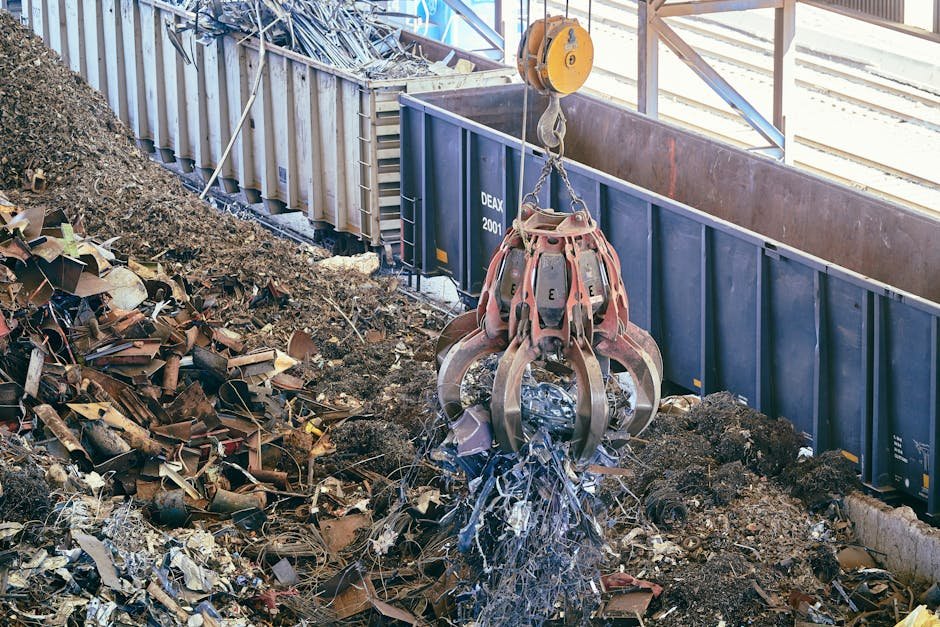

Scrap metal recycling is a cornerstone of Australia’s circular economy, turning everything from old car bodies to construction off‑cuts into valuable raw material. This guide explains the grades of scrap, the step‑by‑step recycling process, the environmental payoff, and practical tips for anyone looking to sell or recycle metal responsibly.
1. Overview of Scrap Metal Recycling in Australia
Australia recycles roughly 30 % of its total metal waste, a figure that is steadily climbing thanks to stricter regulations, industry incentives, and growing consumer awareness. The sector is supported by a network of licensed processors, brokers, and exporters who adhere to the Australian Dangerous Goods (ADG) Code and the National Environment Protection Measure (NEPM) for waste. The end‑to‑end flow starts with collection, moves through sorting and processing, and finishes with the delivery of refined metal to manufacturers. By participating, individuals and businesses not only earn money but also contribute to a reduction in greenhouse‑gas emissions equivalent to planting thousands of trees each year.
For those searching for convenient options, the Scrap Metal Recycling Near Me tool helps locate certified facilities across every state and territory. Whether you are in Sydney, Melbourne, Brisbane or a regional town, you can find a nearby drop‑off point that meets the latest safety standards.
2. Understanding Grades of Scrap Metal
Accurate grading is essential because it determines the price you receive and the processing method required. Australian recyclers classify scrap into three primary categories: ferrous, non‑ferrous, and mixed. Each category is further broken down into grades based on composition, contamination level, and physical condition.
- Ferrous Metals – Predominantly iron and steel. Common grades include:
- Heavy‑weight steel (H‑steel): Thick sections such as I‑beams, rebar, and ship hull plates.
- Light‑weight steel (L‑steel): Sheet metal, automotive panels, and appliance bodies.
- Stainless steel: Grades 304, 316, and 430, valued for corrosion resistance.
- Non‑Ferrous Metals – Metals without iron, prized for conductivity and weight savings. Key grades include:
- Copper: Bare bright copper, #1 copper (cables), and #2 copper (pipes).
- Aluminium: Cast, extruded, and sheet forms, often sourced from window frames and beverage cans.
- Brass and Bronze: Used in fittings, musical instruments, and decorative hardware.
- Zinc and Lead: Typically recovered from galvanised steel and batteries.
- Mixed or Contaminated Scrap – Items that contain multiple metals or non‑metallic residues. These require additional sorting and may fetch lower rates.
Proper segregation before delivery maximises your payout. For example, a clean bundle of #1 copper can command up to 30 % more than mixed copper scrap. To stay informed on the latest market trends, regularly check the Scrap Metal Prices page, which lists daily rates for each grade.
3. How the Recycling Process Works
The transformation from waste to raw material involves several technically sophisticated stages. Understanding each step helps you prepare your load and avoid costly re‑handling.
- Collection & Transportation: Scrap is gathered from households, construction sites, demolition projects, and industrial facilities. Licensed haulers transport the load to a processing centre, ensuring compliance with the ADG Code for hazardous materials.
- Initial Sorting: At the facility, large magnets separate ferrous from non‑ferrous metals. Manual sorting removes non‑metal contaminants such as wood, plastic, and insulation.
- Shredding & Size Reduction: Metals are fed into high‑speed shredders that cut them into uniform fragments (typically 25‑50 mm). This increases surface area for subsequent processing and reduces transport weight.
- Advanced Separation: Technologies such as eddy‑current separators, optical scanners, and density‑based hydrocyclones isolate specific non‑ferrous grades. For instance, an eddy‑current separator can lift aluminium from a mixed stream without physical contact.
- Melting & Refining: Sorted metal batches are melted in electric or induction furnaces. Ferrous metals often undergo basic oxygen steelmaking (BOS) or electric‑arc furnace (EAF) processes, while non‑ferrous metals are melted in dedicated crucibles to maintain purity.
- Casting & Forming: Molten metal is cast into ingots, billets, or continuous slabs. These semi‑finished products are then rolled, extruded, or forged into shapes ready for manufacturers.
- Quality Assurance & Certification: Final products are tested for chemical composition and mechanical properties. Certified grades are documented and shipped to downstream users, completing the loop.
Each stage adds value and reduces the carbon footprint compared with virgin metal production. For example, recycling aluminium saves up to 95 % of the energy required to produce primary aluminium from bauxite.
4. Environmental Benefits of Scrap Metal Recycling
Scrap metal recycling delivers measurable ecological gains, aligning with Australia’s Net Zero 2050 targets.
- Energy Conservation: Recycling steel consumes roughly 74 % less energy than producing new steel from iron ore. Aluminium recycling saves about 13 GJ per tonne, equivalent to the annual electricity use of 1,000 Australian homes.
- Reduced Greenhouse‑Gas Emissions: By avoiding primary production, recyclers cut CO₂ emissions by up to 1.8 t per tonne of steel and 12 t per tonne of aluminium.
- Landfill Diversion: Metal does not decompose, so keeping it out of landfill prevents long‑term contamination and frees space for organic waste.
- Conservation of Natural Resources: Recycling recovers valuable ores, reducing the need for new mining. This lessens habitat destruction, water usage, and soil erosion associated with extraction.
- Circular Economy Promotion: Re‑entering metal into manufacturing loops creates jobs in processing, logistics, and engineering, while fostering sustainable supply chains.
These benefits are not abstract; they translate into tangible cost savings for businesses and lower utility bills for households that support recycling programmes.
5. Economic Impact and Pricing Dynamics
Scrap metal is a commodity with prices that fluctuate based on global demand, exchange rates, and geopolitical events. In 2026, the Australian market has seen a modest rise in scrap metal prices per kg for copper and aluminium, driven by renewable‑energy projects that require large quantities of conductive material.
Understanding price drivers helps you time your sales for maximum return. Key factors include:
- International Steel Production: When Chinese steel mills cut output, global steel prices climb, boosting ferrous scrap rates.
- Currency Strength: A strong Australian dollar can make exported scrap less competitive, lowering local prices.
- Supply Chain Disruptions: Port congestion or freight shortages temporarily raise transportation costs, which are often passed onto sellers.
To stay ahead, monitor the daily Scrap Metal Prices dashboard and compare it with the historical data on the scrap metal prices archive. For a quick snapshot of regional market trends, use the Sell Scrap Metal Near Me In 2026 locator, which aggregates offers from licensed processors within a 50‑km radius.
6. Practical Tips for Individuals and Businesses
Whether you are a homeowner clearing a garage or a construction firm handling demolition debris, following best practices ensures you receive fair value and remain compliant.
- Separate Materials at Source: Keep ferrous, non‑ferrous, and mixed scrap in distinct containers. Use colour‑coded bins (e.g., blue for steel, yellow for aluminium) to simplify downstream sorting.
- Remove Contaminants: Strip paint, oil, and plastic where possible. Contaminated metal can lower the price by up to 15 % because it requires extra cleaning.
- Document Weight Accurately: Use calibrated scales and retain receipts. Many processors offer higher rates for verified weight records.
- Know the Current Rates: Check the Scrap Metal Prices page before negotiating. Prices are usually quoted per tonne or per kilogram; convert accordingly.
- Choose Licensed Processors: Verify the facility’s licence number on the Australian Government’s Business Register. Licensed operators follow strict environmental and safety protocols.
- Leverage Bulk Discounts: If you have more than 5 tonnes, ask for a bulk handling discount. Some processors provide free transport within a certain radius.
For a quick way to locate a reputable service, visit Scrap Trade, which offers a searchable directory of certified recyclers, real‑time pricing, and an online booking system.
7. Selecting the Right Recycling Partner
Choosing a partner is more than picking the highest price; you must evaluate compliance, transparency, and value‑added services.
- Regulatory Compliance: Ensure the processor holds a valid Australian Waste Licence and adheres to the National Environment Protection (Assessment of Site Contamination) Measure.
- Traceability: Reputable firms provide a chain‑of‑custody certificate, proving that your scrap was handled responsibly from collection to export.
- Environmental Certifications: Look for ISO 14001 or similar eco‑management certifications, which indicate a commitment to sustainable practices.
- Customer Support: A dedicated account manager can advise on optimal grading, schedule pickups, and resolve any payment issues quickly.
- Technology Integration: Some processors offer online portals that integrate with your ERP system, automatically updating inventory and pricing data.
By partnering with a forward‑thinking recycler, you not only secure better margins but also enhance your corporate social responsibility (CSR) profile. For a curated list of partners that meet these criteria, explore the resources on ScrapTrade Australia.
Conclusion
Scrap metal recycling is a mature, high‑impact industry that delivers economic returns, environmental stewardship, and job creation across Australia. Understanding the grades of scrap, the detailed processing steps, and the market forces that drive pricing equips you to make informed decisions—whether you are a small‑scale seller, a large construction firm, or a policy maker. By following the practical tips outlined, staying current with price updates, and selecting compliant, transparent partners, you can maximise revenue while contributing to a greener future.
Ready to turn your unwanted metal into profit? Use the tools on this site to locate the nearest licensed recycler, check up‑to‑date Scrap Metal Prices, and schedule a pickup today.
Frequently Asked Questions
What types of metal are most valuable for recycling in Australia?
Copper, aluminium, stainless steel, and high‑grade ferrous steel typically command the highest rates because of strong demand from manufacturing and construction sectors.
How often do scrap metal prices change?
Prices are updated daily on most trading platforms and can fluctuate based on global commodity markets, exchange rates, and local supply-demand dynamics.
Do I need a licence to sell scrap metal as an individual?
Individuals do not need a licence, but they must sell to a licensed processor who holds a valid Australian Waste Licence and follows ADG regulations.
Can scrap metal recycling reduce my business’s carbon footprint?
Yes, recycling metal saves energy and cuts CO₂ emissions dramatically—up to 95 % for aluminium—helping businesses meet sustainability targets.