
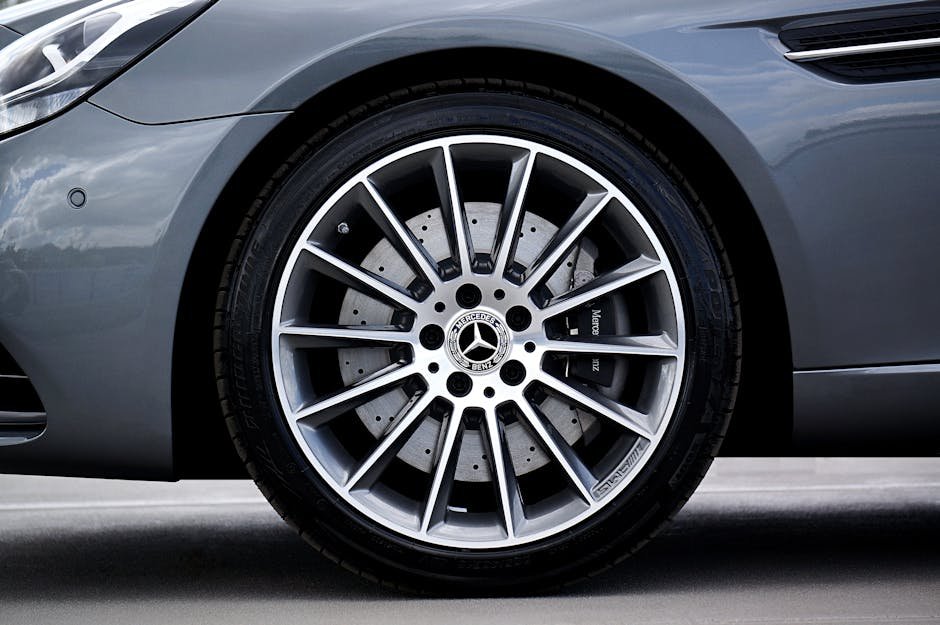

Alloy wheels wholesale is a critical segment of Australia’s metal recycling and automotive industries. Whether you’re buying pre-owned alloy wheels for resale, selling damaged alloys for scrap, or managing bulk inventory, understanding the nuances of alloy wheel trading is essential. This guide covers everything from sourcing to recycling, ensuring you can navigate the market with confidence.
Understanding Alloy Wheels and Their Value
Alloy wheels, including aluminium wheels and magnesium (mag wheels), are prized for their lightweight durability and aesthetic appeal. They’re commonly used in vehicles from sedans to off-road trucks. However, when these wheels are damaged or obsolete, they transition into the alloy wheels wholesale market for reuse or recycling.
- Aluminium wheels: The most common type, valued for their corrosion resistance and recyclability.
- Magnesium alloy wheels: Lighter but less common, often found in high-performance vehicles.
- Steel rims: Typically less valuable but sometimes mixed into alloy wheel inventories.
For recycling, alloy rim scrap is sorted based on material type, with pure aluminium fetching higher prices than mixed alloys.
Sourcing Alloy Wheels for Wholesale
Alloy wheels wholesale buyers can acquire stock from multiple channels:
1. Automotive Retailers and Repair Shops
These businesses often have surplus or returned wheels. Establish partnerships to secure volume discounts. For example, used alloy wheels from dealerships may include low-mileage units ideal for resale.
2. Junkyards and Salvage Facilities
Damaged wheels from wrecks or end-of-life vehicles are a goldmine for recyclers. Ensure you have the tools to assess wheel integrity and remove tires safely.
3. Online Marketplaces
Platforms like scrap.trade and scraptrade.com.au connect buyers with sellers across Australia. Use filters to find alloy wheels by size, type, and location.
Evaluating Alloy Wheel Quality for Wholesale
Before purchasing or accepting alloy wheels wholesale, inspect them for:
- Cosmetic damage: Cracks, scratches, and curb rash reduce resale value.
- Structural integrity: Test for warping or bent spokes using a straightedge.
- Corrosion: Salt stains and pitting are common in coastal regions.
For high-temperature alloys or rare materials like tool steel, specialized testing may be required to confirm composition.
Pricing and Selling Alloy Wheels Wholesale
Determining the right price for alloy wheels wholesale depends on several factors:
1. Metal Content and Purity
Refer to alloy scrap pricing guides to estimate value. Pure aluminium is typically $1.50–$3.00/kg, while mixed alloys may fetch 30–50% less.
2. Market Demand
Popular sizes like 16–18 inches and low-profile treads command higher prices. Monitor scrap trade forums for regional price fluctuations.
3. Condition and Brand
Reputable brands like BBS, RAYS, or Enkei retain value. Use third-party grading systems (scraptrade.com.au offers free tools) to standardize assessments.
Recycling and Disposing of Alloy Wheels
When alloy wheels wholesale can’t be resold, recycling ensures maximum ROI:
1. Demagnetizing and Dismantling
Remove brake calipers and suspension components to avoid contaminating the metal stream. Use hydraulic presses to flatten car rims for efficient transport.
2. Sorting by Material
Separate aluminium wheels from magnesium or steel. Contamination reduces scrap value by up to 40%.
3. Partnering with Recycling Facilities
Choose certified recyclers that offer on-site weighing and instant payment. For large volumes, negotiate bulk rates using scrap.trade’s bulk pricing calculator.
Practical Tips for Alloy Wheel Traders
- Track inventory digitally: Use spreadsheets or apps to log wheel types, quantities, and acquisition costs.
- Secure storage: Protect alloy wheels from rain to prevent oxidation. Store indoors if possible.
- Stay compliant: Follow Australian environmental regulations for high-temperature alloys and tool steel recycling.
Conclusion
Alloy wheels wholesale is a dynamic market requiring attention to detail, market awareness, and strategic partnerships. By mastering pricing, sourcing, and recycling techniques, you can turn alloy wheels into a profitable venture. Whether you’re managing a scrap trade business or a wholesaler seeking bulk deals, this guide equips you with the knowledge to succeed.
FAQs
How Do I Determine the Value of Used Alloy Wheels?
Evaluate material type, condition, and market demand. Refer to alloy scrap pricing guides for up-to-date rates.
Can I Recycle Alloy Wheels with Tires Attached?
Remove tires first to avoid contamination and comply with recycling protocols. scraptrade.com.au provides tools for tire removal.
What’s the Best Way to Store Alloy Wheels for Resale?
Store in a dry, covered area to prevent corrosion. Use plastic covers for extra protection against moisture.
How Can I Maximize Profits from Alloy Wheels Wholesale?
Focus on high-demand sizes and brands. Combine resale of usable wheels with recycling of damaged ones for optimal returns.
Related: selling alloy wheels
Frequently Asked Questions
How Do I Determine the Value of Used Alloy Wheels?
Evaluate material type, condition, and market demand. Refer to alloy scrap pricing guides for up-to-date rates.
Can I Recycle Alloy Wheels with Tires Attached?
Remove tires first to avoid contamination and comply with recycling protocols.
What’s the Best Way to Store Alloy Wheels for Resale?
Store in a dry, covered area to prevent corrosion. Use plastic covers for extra protection against moisture.
How Can I Maximize Profits from Alloy Wheels Wholesale?
Focus on high-demand sizes and brands. Combine resale of usable wheels with recycling of damaged ones for optimal returns.