
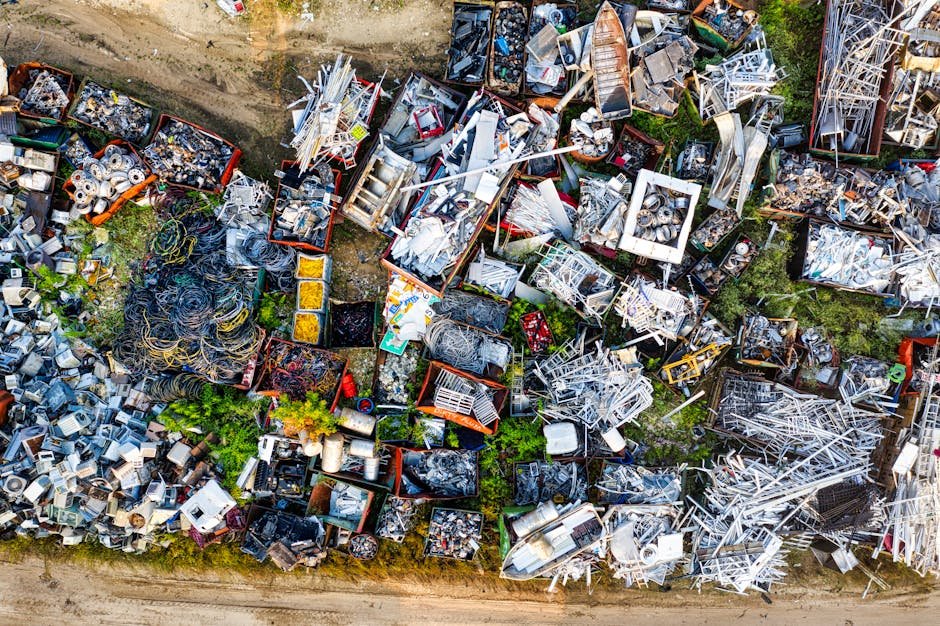

Navigating a professional metal junk yard can be a daunting experience for the uninitiated, but it is a fundamental pillar of the Australian circular economy. Whether you are a tradesperson cleaning up a job site, a homeowner clearing out a garage, or an industrial manager handling large-scale demolition waste, understanding how a metal junk yard operates is key to maximizing efficiency and profitability. In this comprehensive guide, we will explore the lifecycle of scrap, the distinction between various metal types, and how to successfully engage with a local metal junk yard to ensure your materials are processed ethically and profitably.
The Role of a Modern Metal Recycler
In the past, the term ‘junkyard’ might have conjured images of disorganized piles and environmental negligence. Today, the industry has evolved into highly regulated, sophisticated operations. A modern metal recycler acts as a bridge between waste and production. By consolidating scrap from various sources, these facilities prevent thousands of tonnes of metal from entering landfills annually. This process is not just about waste management; it is about resource recovery. Metals like copper, aluminium, and steel can be recycled infinitely without losing their structural integrity. When you visit a recycling depot, you are participating in a global supply chain that reduces the need for energy-intensive mining operations. By choosing to work with a reputable facility, you ensure that your materials are handled according to strict environmental standards, minimizing the carbon footprint of your industrial or household activities.
How to Identify and Sort Your Scrap Metal
Maximizing your return at the scales begins long before you arrive at the facility. Sorting your scrap correctly is the most effective way to increase the value of your load. Most facilities categorize metals into two primary groups: ferrous and non-ferrous. Ferrous metals, such as iron and steel, are magnetic and generally hold a lower price point per kilogram due to their abundance. Non-ferrous metals, including copper, brass, stainless steel, and aluminium, are non-magnetic and significantly more valuable. If you are unsure where to start, you can search for a Metal Scrap Yard Near Me to find a location that offers guidance on sorting. When sorting, remove contaminants like plastic, rubber, or wood. Clean scrap—meaning metal free of attachments—is always preferred by processors. For those dealing with complex demolition projects, professional metal junk pickup services can save you time and ensure that sorting happens at the source, preventing the mixing of high-value materials with low-value waste.
Navigating the Walk-in Experience
For individuals or small businesses, the walk-in experience at a scrap facility is designed to be streamlined. Upon arrival, you will typically drive onto a weighbridge to record your gross weight. After unloading your materials in designated bays, you drive back over the scale to determine the net weight of your delivery. It is essential to be aware of safety protocols; high-visibility vests and closed-toe boots are often mandatory in these environments. If you are looking for a reliable partner, Zores Scrap Yard Your Trusted Destination For Scrap Metal offers a transparent process that helps newcomers feel comfortable. Always check the facility’s opening hours and the types of materials they accept before loading your vehicle. Some sites specialize in specific alloys or heavy industrial machinery, while others cater to general household scrap. Using a professional service ensures you are paid accurately based on the current market rates, which fluctuate daily based on global demand.
Market Trends: Sell Scrap Metal Near Me In 2026
The scrap metal market is inherently volatile, influenced by international trade policies, construction activity, and the demand for raw materials in manufacturing hubs like China and India. If you are planning to Sell Scrap Metal Near Me In 2026, it is wise to keep an eye on industry reports. Prices for copper and aluminium, in particular, often correlate with global infrastructure spending. By staying informed, you can choose the optimal time to offload large quantities of material. Furthermore, the push for green energy is driving up demand for specific metals used in battery production and renewable energy infrastructure. As a result, the value of certain scrap items is likely to remain robust. Always consult with your local scrap metal trading platform to get the most accurate, up-to-the-minute pricing information for your region.
Safety and Environmental Compliance
Safety is the top priority at any reputable metal recycler. Handling heavy metal objects involves significant risks, from sharp edges to heavy machinery traffic. Never attempt to handle items that appear to be pressurized, contain hazardous chemicals, or have unknown electrical components. If you have questions about specific items, it is always better to contact the facility beforehand. Furthermore, environmental compliance is non-negotiable. Reputable yards operate under strict government oversight to ensure that fluids, oils, and other contaminants are captured and treated properly. When you choose to visit our Australian scrap trade portal, you are connecting with professionals who prioritize sustainable practices and legal compliance. This commitment to the environment ensures that the metal you recycle today does not become a pollution issue for future generations.
The Future of Metal Recycling in Australia
Australia is uniquely positioned to lead the way in metal recycling. With a vast geography and a strong mining sector, the infrastructure for collection and processing is expanding rapidly. The integration of digital tracking and better logistics is making it easier for the average citizen to participate in the circular economy. We are seeing a shift toward more localized processing, which reduces the transportation costs and emissions associated with shipping scrap long distances. Whether you are searching for a metal scarp yard or looking for long-term industrial waste solutions, the industry is becoming more customer-centric. Technology is playing a huge role here, with apps and online platforms helping users track their scrap volume, estimate potential earnings, and schedule collections with ease. The future of the industry is digital, transparent, and highly efficient.
Practical Tips for Maximizing Your Scrap Value
To get the most out of your scrap, consider these expert tips: 1. Keep your metals separated by grade. Mixing a small amount of low-grade steel with high-grade copper can downgrade the entire load. 2. Remove non-metallic components. A copper pipe with a plastic fitting is worth less than clean copper. 3. Build a relationship with your local yard. Regulars often receive better service and better tips on market timing. 4. Use a magnet. If it sticks, it is ferrous; if it doesn’t, it is likely more valuable non-ferrous. 5. Keep records. If you are a business, maintaining a log of your scrap sales is essential for tax and environmental reporting. 6. Safety first. Always wear appropriate PPE. 7. Ask for a scale ticket. A professional facility will always provide a printed receipt detailing the weight and type of material accepted. By following these simple steps, you can transform a pile of ‘junk’ into a consistent revenue stream while contributing to a cleaner, more sustainable Australia.
Conclusion
The metal junk yard is far more than a place to dump unwanted items; it is a critical node in the global supply chain that keeps our resources circulating. By understanding how to sort your materials, knowing the market, and choosing a reputable partner, you can turn scrap metal into a valuable asset. Whether you are a large-scale industrial operator or an individual looking to clean up, the benefits of professional recycling are clear: economic gain, environmental stewardship, and a cleaner community. As we look toward the future, the importance of these facilities will only grow, cementing their role as an essential component of Australia’s industrial landscape. Start your recycling journey today by finding a trusted partner, staying informed on market conditions, and committing to the proper disposal of your metal waste.
Frequently Asked Questions
What items are generally accepted at a metal junk yard?
Most facilities accept a wide range of items, including copper piping, aluminium cans, steel beams, old appliances, and vehicle parts. It is best to call ahead if you have large or unusual items like lead-acid batteries or industrial machinery.
How do I get the best price for my scrap metal?
The best way to maximize your return is to sort your metals by type, remove any non-metallic contaminants like plastic or wood, and sell when market prices for your specific metal grade are high. Establishing a relationship with a local yard can also lead to better service and pricing.
Is it mandatory to wear protective gear at a recycling depot?
Yes, safety is paramount. Most professional facilities require visitors to wear closed-toe shoes, and high-visibility vests are often mandatory when entering the yard area to protect you from moving machinery and sharp materials.
Why is the price of scrap metal always changing?
Scrap metal prices are determined by global supply and demand, much like stocks or commodities. Factors such as industrial manufacturing output, international trade policies, and the availability of raw materials influence the daily rates offered by recyclers.