

Expert Guide to Scrap Copper Recycling South Granville
For industrial contractors, electricians, and local tradespeople, scrap copper recycling South Granville represents a vital opportunity to turn waste into profit while supporting circular economy principles. In the heart of Sydney’s industrial corridor, managing your scrap metal efficiently is not just about clearing space; it is about understanding the nuances of material grading and market timing. Whether you are dealing with large volumes of stripped copper wire or plumbing-grade copper pipe, knowing how to classify your materials ensures you receive the best possible copper price per kg.
If you are searching for Scrap Metal Recycling Near Me, it is essential to partner with a facility that provides transparent weighing and grading processes. While many people search for scrap copper recycling chipping norton or scrap copper recycling greenacre, the South Granville hub remains a central point for high-volume trade. Understanding the distinction between Scrap Trading Vs Recycling Business models can help you decide how to best move your inventory, whether you are a direct seller or an aggregator within the Copper Scrap Group.
Understanding Copper Grades: Maximizing Your Payout
The copper market is highly sensitive to purity. The higher the copper content and the lower the level of contaminants (like insulation, solder, or oxidation), the higher the value. To excel in scrap copper recycling South Granville, you must master the identification of these grades.
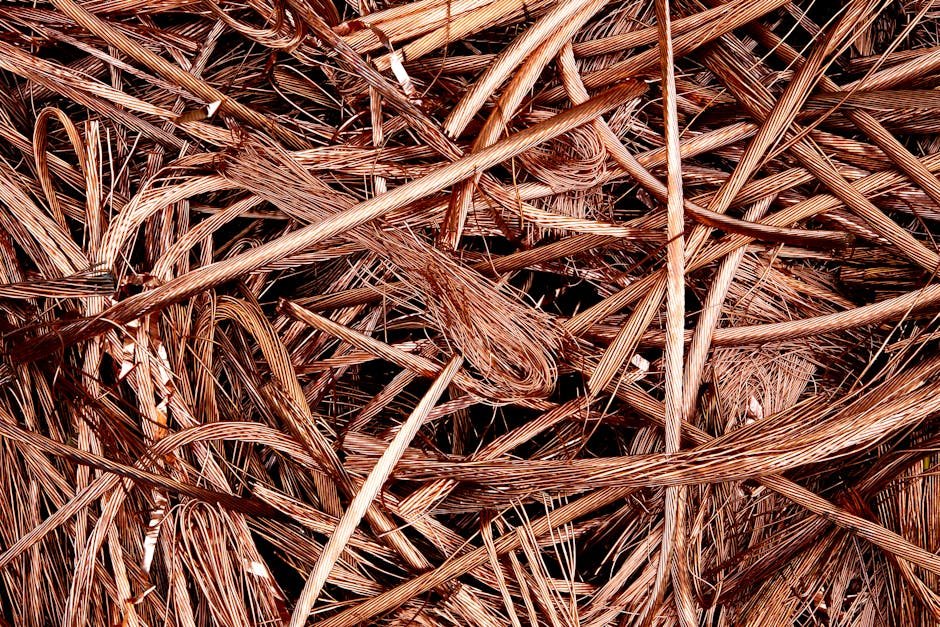
Bare Bright Copper: This is the gold standard. It consists of clean, unalloyed, uncoated, and unalloyed copper wire, free of brittle burnt wire or insulation. It is typically 16-gauge or thicker, and it must be shiny and free of any oxidation. Because it requires the least amount of processing, it commands the highest price per kilogram.
Number 1 Copper: This grade includes clean, unalloyed copper pipe, wire, and tubing that is free of fittings, paint, or solder. It may have slight oxidation, but it must be free of any other contaminants. It is the preferred grade for most high-end recycling facilities.
Number 2 Copper: This is a lower grade that includes copper with some impurities. This might include copper wire that has been burnt, copper pipe with solder joints, or copper that has significant oxidation. While it fetches a lower price than bare bright, it remains a highly valuable commodity in the recycling stream.
Copper-Bearing Scrap: This category includes items like electric motors, transformers, and radiators that contain copper but are not pure copper themselves. These items require specialized processing to extract the metal, and the value is determined by the estimated yield of copper after mechanical separation.
The Mechanics of Copper Recycling: From Collection to Commodity
The process of recycling copper is a sophisticated industrial operation that transforms discarded metal back into high-purity raw material. When you bring your scrap to a facility, the first step is the inspection and weighing process. Using calibrated scales, the facility ensures that you are paid accurately for the weight of your material.
Once weighed, the copper undergoes a sorting process. If you have brought in mixed scrap, workers or automated systems will separate the copper from other metals like steel, aluminum, or brass. For insulated wire, specialized machines known as granulators are used. These machines chop the wire into small pieces and use air tables to separate the heavy copper granules from the lighter plastic or rubber insulation. This high-purity copper is then melted into ingots or billets, which are sold to manufacturers to create new copper products, such as electrical cables, plumbing components, and automotive parts.
For those looking to learn more about the industry, our scrap metal trading portal offers extensive resources on market fluctuations. Additionally, you can find localized industry insights at professional scrap metal trading services.
Environmental Benefits of Recycling Copper
Copper is a unique material because it can be recycled indefinitely without losing its physical or chemical properties. This makes it a cornerstone of the circular economy. When we prioritize scrap copper recycling South Granville, we are actively reducing the need for primary mining.
Mining copper is an energy-intensive and environmentally destructive process. It involves massive open-pit mines, significant water consumption, and the production of toxic tailings. By contrast, recycling copper requires up to 85% less energy than producing copper from raw ore. This massive energy saving translates into a significant reduction in greenhouse gas emissions. Furthermore, because copper is a finite resource, recycling ensures that we can continue to meet the global demand for electronics and infrastructure without depleting the planet’s remaining copper deposits.
Market Trends and the Copper Price Per Kg
The copper price per kg is not static; it is influenced by global supply and demand, geopolitical stability, and the strength of the Australian dollar. Because copper is used in almost every sector—from construction and telecommunications to renewable energy—it is often considered a barometer for the global economy.
For traders in South Granville, staying informed is key. When the global economy is booming, demand for copper rises, and prices follow. Conversely, during economic slowdowns, prices may dip. To maximize your returns, it is wise to monitor these trends. Many successful recyclers choose to hold their inventory during market dips and sell when the price per kilogram reaches a peak. Building a relationship with a local, reputable buyer is the best way to get real-time price updates and ensure you are getting a fair deal based on the current LME (London Metal Exchange) rates.
Best Practices for Preparing Your Scrap
Preparation is the difference between an average payout and a premium one. If you are a contractor, taking the time to sort your scrap at the job site can save you hours of work at the recycling yard and put more money in your pocket.
- Strip your wire: If you have large quantities of thick copper wire, stripping the insulation can move your material from a lower-value grade to bare bright.
- Remove contaminants: Cut the solder off copper pipes and remove any brass fittings or steel attachments.
- Segregate by grade: Keep your bare bright separate from your number 2 copper. If you mix them, the entire load may be purchased at the lower rate.
- Keep it clean: Ensure your scrap is free of dirt, oil, and grease. Clean copper is always worth more than dirty, contaminated material.
The Future of Scrap Metal in Sydney
As Sydney continues to grow, the infrastructure requirements for new housing and transit projects will only increase the demand for copper. This means that the importance of local recycling hubs will continue to rise. Innovations in sorting technology, such as X-ray fluorescence (XRF) scanners, are making it easier for recyclers to identify alloys and purity levels instantly, leading to more efficient processing and higher payouts for the end user.
Furthermore, the shift toward electric vehicles and renewable energy systems (which use significantly more copper than internal combustion engine vehicles) ensures that copper will remain a high-demand commodity for decades to come. By engaging in responsible recycling today, you are participating in a sustainable supply chain that supports the future of Australian industry.
Frequently Asked Questions
What is the most valuable type of copper?
Bare bright copper is the most valuable grade because it is clean, unalloyed, and free of insulation or oxidation, requiring minimal processing before it can be melted down.
Why does the price of copper change so often?
Copper prices are driven by global market demand, mining output, and economic conditions; since it is a globally traded commodity, it reacts quickly to fluctuations in international trade and industrial activity.
Can I recycle copper wire with the insulation still on it?
Yes, you can, but it will be classified as insulated copper wire rather than bare bright, which generally results in a lower price per kilogram compared to stripped copper.
How do I know if I am getting a fair price for my scrap?
To ensure a fair price, check the current daily market rates for copper, compare offers from reputable local yards, and ensure your material is properly sorted and cleaned before arrival to avoid deductions.
In conclusion, professional scrap copper recycling is an essential service that benefits both your wallet and the environment. By understanding the grades, preparing your materials correctly, and staying informed about market trends, you can ensure that your scrap metal recycling efforts are as profitable as possible. Whether you are a small business owner or an individual with a garage full of old pipe, the opportunity to contribute to a sustainable future while earning a return is always available in the industrial heart of South Granville.
Frequently Asked Questions
What is the most valuable type of copper?
Bare bright copper is the most valuable grade because it is clean, unalloyed, and free of insulation or oxidation, requiring minimal processing before it can be melted down.
Why does the price of copper change so often?
Copper prices are driven by global market demand, mining output, and economic conditions; since it is a globally traded commodity, it reacts quickly to fluctuations in international trade and industrial activity.
Can I recycle copper wire with the insulation still on it?
Yes, you can, but it will be classified as insulated copper wire rather than bare bright, which generally results in a lower price per kilogram compared to stripped copper.
How do I know if I am getting a fair price for my scrap?
To ensure a fair price, check the current daily market rates for copper, compare offers from reputable local yards, and ensure your material is properly sorted and cleaned before arrival to avoid deductions.