
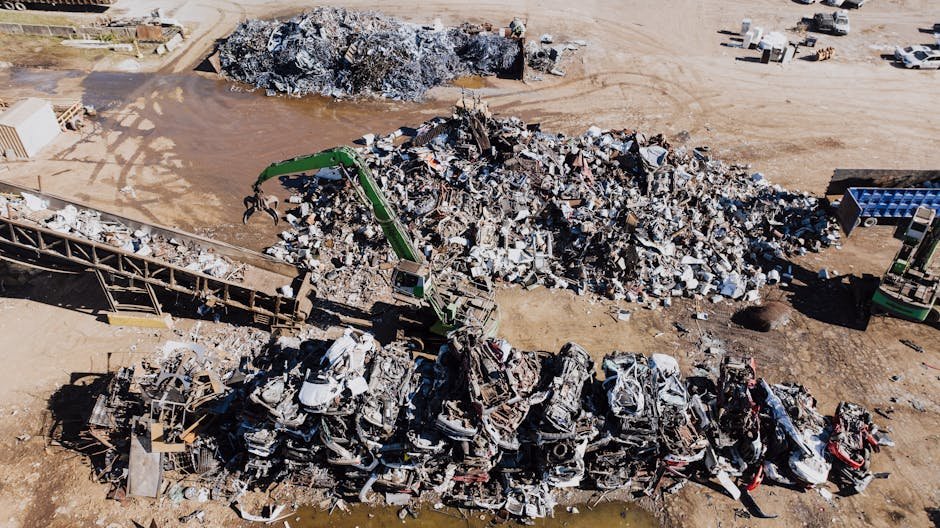

The term metal recycling seven hills encapsulates a growing environmental and economic movement within one of Western Sydney’s most industrially active suburbs. As urban development and construction projects increase in the Hills District, so does the volume of ferrous and non-ferrous scrap metal generated by households, demolition sites, and manufacturing operations. This guide dives deep into every facet of metal recycling seven hills, from regulatory compliance and material valuation to logistics, environmental impact, and the most trusted local processors. Whether you’re a contractor clearing a renovation site or a homeowner cleaning out a garage, understanding how to responsibly and profitably engage in metal recycling seven hills is more important than ever.
What Is Metal Recycling Seven Hills?
The phrase metal recycling seven hills refers specifically to the handling, sorting, and processing of scrap metal within the Seven Hills suburb of New South Wales, located approximately 33 kilometers west of Sydney’s central business district. This area, part of the City of Blacktown, is a hub for light industry, commercial trade, and residential development—factors that contribute significantly to scrap metal generation.
Recycling metal in Seven Hills involves collecting unwanted or obsolete metal materials—such as copper wiring, aluminium siding, steel beams, and brass fittings—and transporting them to a licensed recycling facility. These facilities then sort, shred, melt, and repurpose the metals into new industrial and consumer products. This process not only recovers valuable raw materials but also reduces dependence on virgin mining, lowers greenhouse gas emissions, and mitigates landfill use.
What sets metal recycling seven hills apart from broader regional efforts is the concentration of small-to-medium enterprises (SMEs) and the proximity to Sydney’s major transport corridors. This strategic location enables efficient logistics for scrap haulers and recyclers alike. Moreover, Seven Hills is served by several licensed scrap yards that comply with Environmental Protection Authority (EPA) NSW standards, ensuring that all recycling activities are both legally sound and environmentally responsible.
For residents, businesses, and contractors, engaging in metal recycling seven hills offers both financial incentive and environmental benefit. Most recyclers pay by weight, with prices fluctuating based on global commodity markets. High-value metals like copper, stainless steel, and lead fetch premium rates, while common materials such as aluminium and steel still offer competitive returns.
To learn about the nearest drop-off points, visit Scrap Metal Recycling Near Me, which provides an interactive map of certified facilities across Greater Sydney.
Why Metal Recycling in Seven Hills Matters for Sustainability
Environmental sustainability is a core driver behind the rise of metal recycling seven hills. Australia generates over 1.5 million tonnes of metal waste annually, with only about 75% being recovered for recycling. In urban areas like Seven Hills, where construction and renovation are constant, improving this recovery rate is crucial.
Recycling metal significantly reduces energy consumption. For example, producing new aluminium from recycled scrap uses 95% less energy than extracting it from bauxite ore. Similarly, recycling steel saves up to 74% of the energy required for primary production. These energy savings directly translate to lower carbon emissions—a critical factor in meeting Australia’s net-zero targets by 2050.
Landfill diversion is another major benefit. Metals are non-biodegradable and can leach harmful substances into soil and groundwater if improperly disposed of. By participating in metal recycling seven hills, residents and businesses help prevent environmental contamination and reduce pressure on already strained landfill sites like the nearby Eastern Creek Waste Management Centre.
Additionally, metal recycling supports a circular economy. Instead of treating metal as disposable, recycling reintroduces it into the supply chain. Recycled steel, for instance, is commonly used in infrastructure projects such as bridges, railways, and high-rise buildings. Recycled copper powers electrical grids and renewable energy installations. This closed-loop model strengthens local industry resilience and reduces reliance on imported raw materials.
From a community perspective, promoting metal recycling seven hills fosters environmental awareness and encourages responsible waste habits. Educational outreach by local councils and recycling companies helps demystify the process and increase participation rates across residential, commercial, and industrial sectors.
Types of Metals Accepted in Seven Hills Recycling Facilities
Understanding which metals are recyclable—and which are not—is essential for anyone engaging in metal recycling seven hills. Facilities in the area typically categorize scrap into two main groups: ferrous and non-ferrous metals.
Ferrous Metals
Ferrous metals contain iron and are magnetic. They are generally less valuable than non-ferrous metals but are widely recycled due to their abundance in construction and manufacturing.
- Steel – Found in appliances, structural beams, car parts, and food cans. Mild steel is the most common and is priced lower than specialty steels.
- Cast Iron – Often from old pipes, engine blocks, and cookware. Heavier and more durable, cast iron commands a slightly higher rate.
- Stainless Steel – Contains chromium for corrosion resistance. Used in kitchenware, sinks, and industrial equipment. More valuable due to alloy content.
Non-Ferrous Metals
Non-ferrous metals do not contain iron, are non-magnetic, and typically fetch higher market prices due to their conductivity, durability, and scarcity.
- Copper – One of the most valuable recyclable metals. Found in electrical wiring, plumbing pipes, and motors. Recyclers often pay premium rates for clean, unalloyed copper.
- Aluminium – Lightweight and corrosion-resistant. Common in window frames, beverage cans, and vehicle parts. Highly recyclable with low processing costs.
- Brass – An alloy of copper and zinc. Used in plumbing fixtures, musical instruments, and decorative hardware. Valued for its gold-like appearance and machinability.
- Lead – Heavy and toxic. Found in batteries, roofing materials, and radiation shielding. Requires special handling but is highly recyclable.
- Zinc and Nickel – Less common but still accepted. Often found in industrial components and alloys.
It’s important to note that contaminated or mixed materials (e.g., metal bonded with plastic or wood) may be rejected or downgraded. Clean, sorted metals yield the best returns. For detailed specifications on acceptable materials, visit Core Metal Recycling, which outlines grading standards and preparation tips.
How to Prepare Scrap Metal for Recycling in Seven Hills
Maximizing returns from metal recycling seven hills depends heavily on how well the scrap is prepared. Proper sorting, cleaning, and bundling can significantly increase the value per tonne and reduce processing delays.
Step 1: Sort by Metal Type
Separate ferrous and non-ferrous metals first. Then further categorize by specific types (e.g., copper wire, aluminium extrusions, steel beams). Mixing metals can lead to downgrading or rejection.
Step 2: Remove Contaminants
Detach non-metal components such as plastic insulation from wires, rubber from cables, or wood from metal frames. Contaminated loads may be rejected or attract disposal fees.
Step 3: Clean When Possible
Rinse off grease, oil, dirt, or chemical residues. While not always required, clean metal is easier to process and more attractive to buyers.
Step 4: Bundle and Secure
Use wire or straps to bundle long items like rebar or piping. Loose materials are harder to handle and may incur lower weight assessments due to settling.
Step 5: Know Market Prices
Check current scrap metal rates before dropping off. Prices for copper, for instance, can fluctuate daily based on the London Metal Exchange (LME). Many recyclers in Seven Hills update their buy rates weekly.
Some facilities offer pre-booking for large drop-offs, especially for commercial clients. This ensures adequate staffing and equipment for unloading. For small-scale recyclers, walk-in services are typically available during business hours.
For those managing waste from renovation or demolition, consider consulting waste metal recycling seven hills for compliance guidance and bulk handling solutions.
Top Metal Recycling Facilities in Seven Hills
Seven Hills is served by several reputable metal recycling centres that accept both commercial and residential scrap. These facilities are licensed under EPA NSW and adhere to strict safety and environmental protocols.
1. Sims Metal Seven Hills
One of Australia’s largest metal recyclers, Sims operates a fully equipped facility in nearby Eastern Creek, easily accessible from Seven Hills via the M4 Motorway. They accept all major metal types and offer weighbridge services, cash payments, and recycling certificates for businesses.
2. Metalcorp Blacktown
Located just 5 km from Seven Hills, Metalcorp provides industrial-scale recycling with advanced sorting technology. They specialize in non-ferrous recovery and offer competitive rates for copper, aluminium, and stainless steel.
3. Local Verified Scrap Buyers
Smaller, independent yards such as Sydney Metal Recyclers and EcoCycle Metals also serve the Seven Hills area. While their capacity may be smaller, they often offer personalized service and faster turnaround for individual sellers.
All licensed facilities require photo ID and documentation for large transactions to comply with NSW’s Scrap Metal Industry Act 2014, which aims to prevent metal theft. Sellers must provide proof of ownership for items like fencing, pipes, or electrical equipment.
To locate the nearest facility, use the Metal Recycling Near Me tool, which filters by service type, accepted materials, and real-time pricing.
Economic and Regulatory Framework of Metal Recycling Seven Hills
The metal recycling seven hills ecosystem operates within a robust legal and economic framework designed to ensure transparency, environmental protection, and market integrity.
NSW Legislation
The Scrap Metal Industry Act 2014 and its accompanying regulations impose strict requirements on scrap metal dealers. All recyclers must be licensed by NSW Fair Trading, maintain detailed transaction records, and report suspicious activity. These measures help combat metal theft, which costs the Australian economy an estimated $150 million annually.
Additionally, the EPA NSW enforces environmental standards under the Protection of the Environment Operations Act 1997. Recycling facilities must manage stormwater runoff, control dust and noise pollution, and safely handle hazardous materials like lead-acid batteries or contaminated oils.
Economic Impact
Metal recycling is a significant contributor to the local economy. In 2023, the Australian recycling industry generated over $10 billion in revenue and supported more than 50,000 jobs. In Western Sydney—including Seven Hills—recycling facilities provide direct employment in logistics, operations, and administration, while also supporting ancillary services like transport and equipment maintenance.
Global commodity prices heavily influence local buy rates. For example, rising demand for copper in electric vehicles and renewable energy systems has driven prices upward, benefiting recyclers and suppliers in the Seven Hills area. Conversely, downturns in construction can reduce steel demand, temporarily lowering prices.
For businesses seeking long-term contracts or volume-based pricing, platforms like Scrap Trade Australia offer digital marketplaces that connect suppliers with buyers across the country, increasing transparency and competition.
How to Get the Best Prices for Scrap Metal in Seven Hills
Maximizing returns from metal recycling seven hills involves more than just showing up with a trailer. Strategic planning and market awareness can significantly boost earnings.
- Time Your Drop-Off – Prices for metals like copper and aluminium tend to rise during periods of high industrial activity. Monitor global trends via the LME or industry newsletters.
- Shop Around – Not all recyclers offer the same rates. Call ahead or check online price boards to compare offers. Some facilities offer premium rates for clean, sorted loads.
- Build Relationships – Regular suppliers often receive better rates and priority service. Establishing trust with a facility can lead to volume discounts and faster processing.
- Use Digital Tools – Platforms like Scrap.Trade provide real-time pricing data, facility reviews, and booking systems to streamline the recycling process.
- Recycle in Bulk – Consolidating smaller loads into larger shipments reduces transport costs and increases negotiating power.
Additionally, consider separating high-value components. For example, stripping insulation from copper wire (known as “bright copper”) can increase its value by 20–30%. However, ensure that any manual processing complies with workplace safety standards.
For those exploring commercial-scale operations, the scrap metal recycling seven hills resource offers case studies, regulatory checklists, and facility benchmarks.
Future of Metal Recycling in Seven Hills
The future of metal recycling seven hills is poised for innovation and expansion. As Australia moves toward a circular economy, advancements in sorting technology, AI-driven logistics, and blockchain-based traceability are expected to transform the industry.
Local councils, including Blacktown City Council, are investing in community recycling hubs and educational campaigns to increase participation. Initiatives like “Scrap Drop” events allow residents to dispose of metal waste for free while ensuring proper processing.
Moreover, the rise of electric vehicles and renewable energy infrastructure is increasing demand for recycled copper, lithium (from associated electronics), and rare earth elements. While not all are processed locally, Seven Hills’ proximity to major transport routes positions it as a key node in the national recycling supply chain.
Sustainability certifications, such as the National Recycling Scheme and ISO 14001, are becoming more common among regional recyclers. These standards enhance credibility and open doors to government and corporate contracts.
Ultimately, the success of metal recycling seven hills depends on collaboration between residents, businesses, recyclers, and policymakers. By continuing to innovate and educate, Seven Hills can serve as a model for sustainable urban metal recovery across Australia.
Related: waste metal recycling seven hills
Related: scrap metal recycling seven hills
Frequently Asked Questions
Where can I recycle scrap metal in Seven Hills?
You can recycle scrap metal at licensed facilities such as Sims Metal in Eastern Creek or Metalcorp Blacktown, both easily accessible from Seven Hills. For a complete list of nearby options, visit the Scrap Metal Recycling Near Me directory.
Do I need ID to sell scrap metal in Seven Hills?
Yes, NSW law requires all scrap metal sellers to present valid photo ID and proof of ownership for certain materials. This helps prevent metal theft and ensures compliance with the Scrap Metal Industry Act 2014.
What metals pay the most in recycling?
Copper, brass, and aluminium typically offer the highest returns. Clean, unalloyed copper (especially ‘bright copper’) is among the most valuable scrap metals available for recycling in the Seven Hills area.
How does metal recycling benefit the environment?
Metal recycling reduces energy consumption, lowers greenhouse gas emissions, and prevents landfill accumulation. Recycling aluminium, for instance, uses 95% less energy than producing it from raw ore, making metal recycling seven hills a key sustainability practice.