
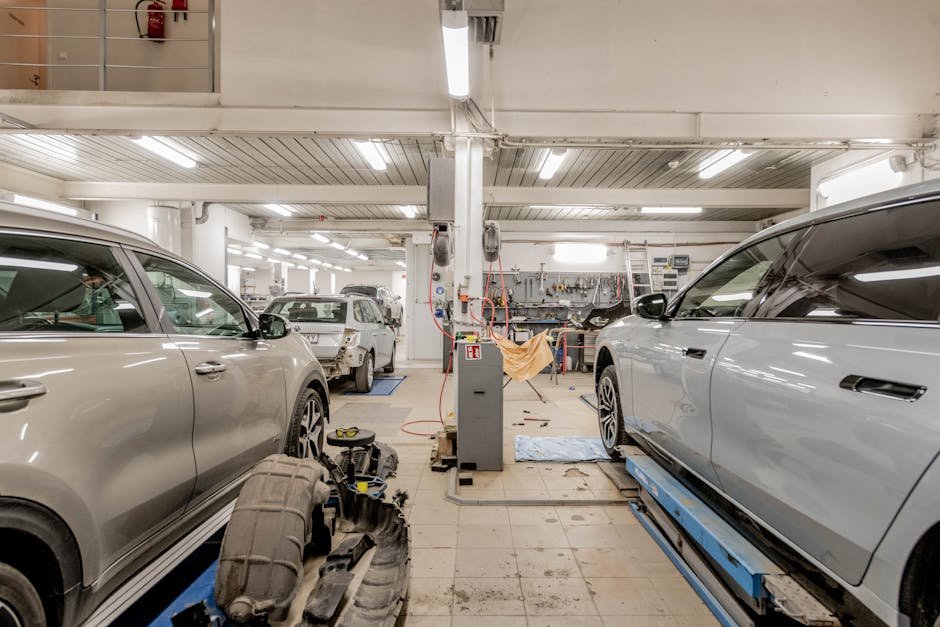

If you are searching for a reliable cash for cars Haywards Bay service, you have likely reached the point where your vehicle is no longer roadworthy or the cost of repairs far outweighs its market value. Navigating the disposal of an end-of-life vehicle (ELV) requires an understanding of both the scrap metal market and the logistics of professional vehicle recycling. At [Scrap Trade](https://scrap.trade), we specialize in streamlining this process, ensuring that residents in the Haywards Bay area receive top-dollar payouts while adhering to environmentally responsible disposal standards.
Understanding the Value of Your End-of-Life Vehicle
When you consider selling a vehicle for scrap, it is important to understand that you are not just selling a car; you are selling a complex collection of raw materials and functional auto parts. An ELV is a treasure trove of ferrous and non-ferrous metals, including steel, aluminium, copper wiring, and catalytic converters containing precious metals like platinum and rhodium. The market value of these components fluctuates based on global commodity prices. Therefore, when you look for cash for cars Haywards Bay, you are effectively tapping into a secondary raw material supply chain. Professional car wreckers evaluate your vehicle based on its weight, the condition of its engine, the availability of high-demand spare parts, and the current scrap metal index. By choosing a reputable buyer, you ensure that your vehicle is processed in a facility that maximizes the recovery of these materials, which in turn allows the recycler to offer you a more competitive price compared to general scrap collectors.
The Environmental Impact of Professional Vehicle Recycling
Vehicle recycling is a critical component of the circular economy in Australia. When a car reaches its end of life, it contains hazardous materials such as lead-acid batteries, mercury switches, engine oil, and coolant. If left to rust in a backyard or disposed of in a standard landfill, these substances can leach into the soil and groundwater, causing significant environmental degradation. Professional recycling facilities in Haywards Bay are equipped to safely extract, store, and recycle these fluids and components. By opting for a professional service, you are contributing to a cleaner environment. Furthermore, the metal recovered from your vehicle is melted down and repurposed for new manufacturing, reducing the need for virgin ore mining. This process is not only sustainable but also economically efficient. If you have other scrap materials lying around your property, you might also be interested in how to Pick Up Scrap Metal For Cash Near Me to clear out your garage or worksite entirely while boosting your financial return.
How to Prepare Your Vehicle for Maximum Payout
To secure the best possible deal, preparation is key. While many wreckers will accept cars in any condition, providing accurate information about the vehicle’s history and current state helps the buyer provide a more precise quote. Start by gathering your documentation, including the registration papers and proof of ownership. Remove all personal belongings from the glove box, boot, and under the seats. While you do not need to strip the car yourself, knowing which auto parts are still functional—such as a recently replaced alternator or a set of near-new tyres—can sometimes influence the final offer. It is also beneficial to understand the broader scrap market; for more insights on how these valuations are calculated, read our guide on Cash For Metal Near Me How To Sell Scrap For Maximum Profit. By being informed, you ensure that you are not leaving money on the table when you finally decide to sell your vehicle.
Why Local Expertise Matters in Haywards Bay
Choosing a local service provider for your vehicle disposal offers several logistical advantages. A local operator understands the specific traffic and access constraints of the Haywards Bay area, ensuring that the collection process is seamless and free of hidden costs. Whether your car is parked in a tight driveway or a remote paddock, experienced wreckers have the right equipment, such as tilt-tray trucks and cranes, to retrieve the vehicle safely. Furthermore, local companies are often more responsive to your schedule. If you are exploring options in neighbouring regions, you might find that services like cash for cars anambah or cash for cars barrack point follow similar professional standards. Working with a [reliable scrap metal partner](https://scraptrade.com.au) ensures that you are dealing with a licensed business that prioritizes legal compliance and transparent pricing, protecting you from the risks associated with unlicensed backyard operators.
The Logistics of Vehicle Collection and Disposal
The collection process is designed to be as hands-off as possible for the vehicle owner. Once you have accepted an offer, the service provider will coordinate a time for collection. During this time, they will perform a quick inspection to verify the vehicle details against the information provided. Once the car is loaded, the payment is typically processed on the spot or via electronic transfer. The vehicle is then transported to a centralized facility where it undergoes the depollution process. Fluids are drained and captured, and the battery is removed for specialized recycling. After the car is stripped of valuable parts, the remaining shell is flattened and sent to a shredder. This systematic approach ensures that every gram of material is accounted for. For those who are new to the scrap industry, understanding the full lifecycle of your items can be very enlightening; we recommend checking out our resource on the Closest Scrap Yard Near Me A Complete Guide To Selling Scrap For Cash to get a better grasp of how local yards operate.
Common Pitfalls to Avoid When Selling Your Car
One of the most common mistakes owners make is failing to cancel their registration or insurance before the car is towed away. In many Australian states, you are required to notify the transport authority of the vehicle’s disposal to avoid ongoing registration fees or liability for traffic infringements. Another pitfall is accepting a quote over the phone without being honest about the vehicle’s condition. If the engine is missing or the vehicle has significant fire damage, be upfront about it. Dishonesty can lead to the buyer lowering the offer upon arrival, which creates frustration for both parties. Finally, ensure you receive a receipt or a certificate of destruction. This document is your proof that the vehicle has been legally transferred to a licensed recycler, which is crucial for your personal records and legal protection. By following these best practices, you ensure a smooth transaction that leaves you satisfied with the outcome.
Future-Proofing: The Shift Towards Electric Vehicle Recycling
As the automotive industry shifts toward electric vehicles (EVs), the landscape of vehicle recycling is evolving. EVs present unique challenges and opportunities, particularly regarding the recycling of high-capacity lithium-ion batteries. These batteries contain valuable minerals like cobalt, nickel, and lithium, which are increasingly in demand. Future cash for cars Haywards Bay services will likely incorporate specialized battery handling and recycling processes to manage this new wave of end-of-life vehicles. Staying informed about these changes is important for anyone who plans to upgrade their vehicle in the future. The recycling sector is becoming more high-tech, with advanced sorting technologies improving the purity of recovered metals. By supporting professional recycling services today, you are helping to build the infrastructure required for a more sustainable automotive future in Australia.
Conclusion: Taking the Next Step
Selling your vehicle for scrap is a responsible and profitable decision that benefits both your bank account and the environment. By choosing a professional service in Haywards Bay, you gain access to expert valuations, safe disposal, and efficient logistics. Whether you are dealing with a rusted-out ute or a damaged sedan, the value within those metal components is waiting to be realized. Remember to verify the credentials of your chosen recycler, prepare your documentation, and clear out your personal items to ensure a hassle-free experience. If you have any further questions about the scrap market or need assistance with other types of metal recycling, our team is always here to provide guidance and support. Turn your old, unwanted vehicle into cash today and contribute to the vital work of resource recovery.
Frequently Asked Questions
How is the value of my car determined for scrap?
The value is primarily based on the weight of the vehicle, the current market price of steel and other metals, and the value of any salvageable auto parts like engines or transmissions. Factors like the vehicle’s make, model, and year also play a role in determining if parts can be resold.
Do I need to be present when the car is picked up?
While it is preferred that you are present to sign any necessary transfer documents and receive payment, many services can arrange for remote collection if you provide clear instructions and leave the keys in a pre-arranged secure location.
What happens to the hazardous fluids in my car?
Licensed professional recyclers use specialized equipment to drain and capture engine oil, coolant, brake fluid, and transmission fluid. These are then processed and recycled through certified waste management facilities to prevent soil and water contamination.
Is it mandatory to notify the transport authority when I scrap my car?
Yes, it is highly recommended to notify your state’s transport authority to cancel your registration and plates. This protects you from future liability and ensures that you are not charged for ongoing registration fees.