
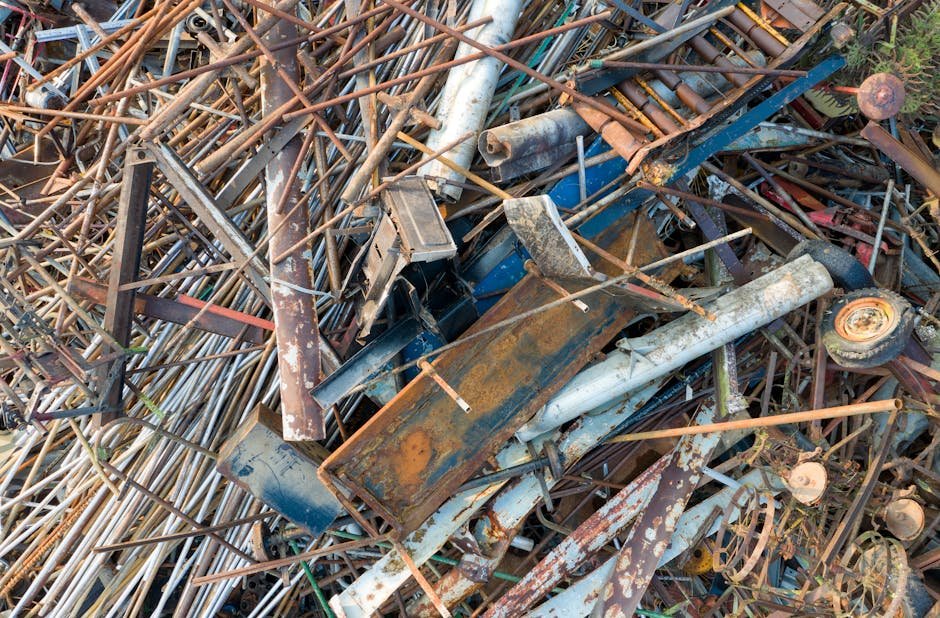

When you are looking to manage industrial, commercial, or residential waste effectively, understanding the local landscape for scrap metal Warneet is essential. As the industry evolves, the transition toward a circular economy has made scrap metal a highly valuable commodity rather than mere refuse. Whether you are a tradesperson, a construction site manager, or a household owner cleaning out a shed, navigating the complexities of metal grades and market fluctuations is the first step toward maximizing your returns and supporting sustainable practices.
The Evolution of Scrap Metal Recycling in Warneet
The coastal community of Warneet, while serene, is not immune to the industrial demands of the broader Mornington Peninsula and surrounding regions. As development continues to expand, the volume of metal waste generated from demolition, renovation, and manufacturing has reached record highs. Recycling this material is no longer just an environmental choice; it is a logistical necessity. By choosing to recycle, you are diverting tons of material from landfills, which are already struggling with capacity issues across Victoria.
For those looking to trade, knowing where to go is crucial. You might be searching for Scrap Metal Recycling Near Me to ensure you are dealing with a facility that adheres to strict environmental standards. Modern recycling centers in our region use advanced separation technologies, including eddy current separators and high-powered magnets, to ensure that every gram of metal—from copper wiring to heavy steel beams—is recovered efficiently.
Understanding Metal Grades: Ferrous vs. Non-Ferrous
To get the best value when you Sell Scrap Metal Near Me In 2026, you must understand the distinction between ferrous and non-ferrous metals. This knowledge dictates how your scrap is processed and, ultimately, how much you will be paid.
Ferrous Metals
Ferrous metals contain iron. They are generally magnetic and are known for their strength and durability. Common examples include:
- Steel: Used in construction, automotive parts, and appliances.
- Cast Iron: Found in older pipes, engine blocks, and heavy machinery.
- Wrought Iron: Often found in fencing and gates.
Because these metals are abundant, they are often traded in bulk. Keeping your ferrous scrap free from contaminants like plastic, wood, or dirt is the best way to ensure you receive a fair price based on current Scrap Metal Prices.
Non-Ferrous Metals
Non-ferrous metals do not contain iron and are generally more resistant to corrosion. They are highly sought after by recyclers because they can be recycled infinitely without losing their properties. Key examples include:
- Copper: The gold standard of scrap metal, found in electrical wiring and plumbing.
- Aluminium: Lightweight and versatile, found in window frames, cans, and car parts.
- Brass: An alloy of copper and zinc, common in fittings and valves.
- Lead: Often found in batteries and roofing materials.
Because non-ferrous metals are rarer and more energy-intensive to mine, they command a higher price per kilogram. Proper sorting is the secret to maximizing your profit. If you are in the wider region, you might also be interested in scrap metal yannathan or scrap metal rythdale to compare logistics and services.
The Environmental Benefits of Recycling
Recycling is the cornerstone of a sustainable future. When we process scrap metal instead of mining virgin ore, we achieve massive energy savings. For instance, recycling aluminium saves approximately 95% of the energy required to produce the same amount of metal from bauxite ore. This reduction in energy usage directly correlates to a decrease in greenhouse gas emissions.
Furthermore, the mining process is invasive, often resulting in habitat destruction and water pollution. By keeping metal in the production cycle, we reduce the need for new mines. As an expert in the field, I encourage everyone in the Warneet area to view their scrap not as trash, but as a resource. For comprehensive industry insights, visit Scrap Trade for the latest market data. Additionally, for professional services, you can explore the offerings at Scrap Trade Australia, which provides a seamless experience for both individual and commercial sellers.
How the Recycling Process Works
The journey of a piece of scrap metal from your property to a new product is a fascinating industrial process. It begins with collection and transportation. Once the metal arrives at the facility, it undergoes a rigorous sorting process. Manual sorting is often used for large, identifiable items, while automated systems handle the smaller, mixed materials.
After sorting, the metal is processed through shredding or shearing. Shredders break the metal into small, uniform pieces, which makes it easier to separate different types of materials using density sensors and magnets. Once separated, the metals are melted down in high-temperature furnaces. The molten metal is then cast into ingots or billets, which are then shipped to manufacturers to be transformed into new products, ranging from construction steel to beverage cans.
Tips for Preparing Your Scrap for Sale
To get the highest possible payout, preparation is key. First, separate your metals by type. Mixing stainless steel with carbon steel, or copper with aluminium, will often result in the recycler paying you the rate for the lower-value metal. Second, clean your scrap. Remove non-metallic attachments like plastic handles, rubber insulation, or glass. While some facilities will accept “dirty” scrap, they will deduct the weight of the contaminants from your total, and you will miss out on the premium price for clean, sorted material.
Safety is also paramount. Always wear protective gear, such as gloves and sturdy boots, when handling scrap. Be aware of sharp edges and heavy items. If you are dealing with large quantities, consider using a trailer or hiring a bin service. Planning your trip to the recycling center during off-peak hours can also save you time and allow staff to assist you more effectively with weighing and grading.
The Future of Metal Trading in 2026 and Beyond
As we look toward 2026, the scrap metal market is becoming increasingly digital. Technology is allowing for more transparent pricing and easier scheduling of pickups. The integration of blockchain in supply chains is also helping to ensure that the scrap metal being traded is sourced ethically and legally, which is a major focus for global markets. For residents and businesses in Warneet, staying informed about these trends will be vital to maintaining profitability in your recycling efforts.
Furthermore, the push for a “net-zero” economy means that demand for recycled metals will only grow. As manufacturers transition to greener production methods, they are actively seeking high-quality secondary raw materials. This creates a stable and potentially lucrative environment for those who consistently supply high-quality, sorted scrap metal. Whether you are a small-scale recycler or a large industrial partner, the market is shifting in your favor.
Logistical Considerations for Warneet Residents
Living in a coastal or semi-rural area like Warneet often means that transport can be a challenge. If you have large quantities of scrap, look for recyclers who offer mobile bin services or pick-up options. Many modern companies now provide roll-on, roll-off bins that can be left at your site, filled, and then collected. This is particularly useful for construction projects where metal accumulates quickly.
Always verify that your chosen recycler is licensed and follows environmental regulations. Responsible recycling involves the safe handling of hazardous materials, such as lead-acid batteries or mercury-containing switches, which should never be thrown in general waste. By working with certified professionals, you ensure that your waste is handled in a way that protects the local Warneet ecosystem and complies with Victorian environmental laws.
Conclusion: Turning Waste into Wealth
The practice of recycling scrap metal Warneet is a vital component of both our local economy and our global environmental responsibility. By understanding the grades of metal, preparing your materials correctly, and choosing the right partners, you can turn what was once considered waste into a valuable asset. The circular economy relies on the participation of everyone, from the individual household to the largest industrial firm. As we move forward, the efficiency and sustainability of our metal recycling practices will define our success in building a cleaner, more resource-efficient future. Start sorting your scrap today, stay updated on market prices, and contribute to a healthier planet.
Frequently Asked Questions
- Question: How do I know if my metal is ferrous or non-ferrous? Answer: The easiest way is to use a magnet. If the magnet sticks to the metal, it is ferrous (contains iron, like steel or iron); if it does not stick, it is non-ferrous (like copper, aluminium, or brass).
- Question: Do I need to clean my scrap metal before bringing it in? Answer: Yes, cleaning your scrap by removing plastic, wood, and other non-metallic materials significantly increases the value of your load and makes the recycling process much more efficient.
- Question: What are the most valuable metals to recycle? Answer: Generally, non-ferrous metals like copper, brass, and high-grade aluminium are the most valuable due to their scarcity and the high energy costs associated with mining them from scratch.
- Question: Is it safe to transport scrap metal myself? Answer: It is safe as long as you use the correct equipment, such as gloves and protective eyewear, and ensure your load is properly secured in your vehicle to prevent accidents or road debris.
Frequently Asked Questions
How do I know if my metal is ferrous or non-ferrous?
The easiest way is to use a magnet. If the magnet sticks to the metal, it is ferrous (contains iron, like steel or iron); if it does not stick, it is non-ferrous (like copper, aluminium, or brass).
Do I need to clean my scrap metal before bringing it in?
Yes, cleaning your scrap by removing plastic, wood, and other non-metallic materials significantly increases the value of your load and makes the recycling process much more efficient.
What are the most valuable metals to recycle?
Generally, non-ferrous metals like copper, brass, and high-grade aluminium are the most valuable due to their scarcity and the high energy costs associated with mining them from scratch.
Is it safe to transport scrap metal myself?
It is safe as long as you use the correct equipment, such as gloves and protective eyewear, and ensure your load is properly secured in your vehicle to prevent accidents or road debris.