
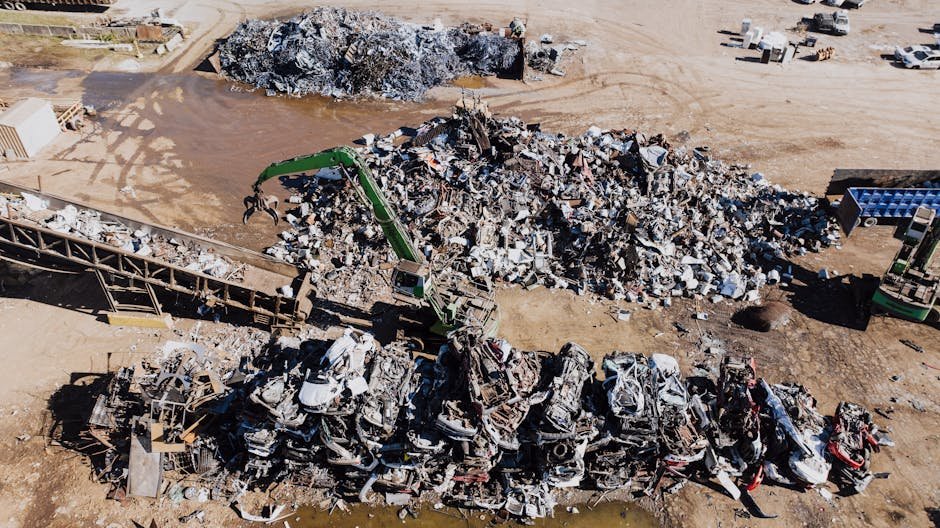

Operating a professional greenfield scrap yard requires a deep understanding of metallurgical science, logistics, and environmental compliance. Whether you are an industrial contractor looking to clear a site or a private individual clearing out a garage, understanding the lifecycle of scrap metal is essential. By choosing a reputable metal recycler, you ensure that your materials are processed according to the highest industry standards, contributing to a sustainable future for Australia.
Understanding Scrap Metal Grades and Classification
The scrap metal industry relies on a precise grading system to ensure that materials are processed correctly. Metals are generally categorized into two primary types: ferrous and non-ferrous. Ferrous metals, such as iron and steel, contain iron and are magnetic. Non-ferrous metals, including copper, aluminum, brass, and lead, do not contain iron and are highly prized for their resistance to corrosion and their infinite recyclability. At a professional facility, such as a scrap yard glenfield, these materials are meticulously separated to ensure purity.
When you visit a facility to buy and sell, you will notice that pricing fluctuates based on the grade of the metal. For example, clean copper piping commands a significantly higher price than insulated copper wiring because the latter requires additional processing to remove the plastic casing. Similarly, heavy melting steel (HMS) is graded based on its thickness and density. Understanding these grades allows you to maximize your returns when visiting a Metal Scrap Yard Near Me. Always ensure your scrap is free from non-metallic contaminants like plastic, wood, or dirt, as this can downgrade your material and reduce its value.
The Lifecycle of Metal Recycling: How It Works
The process of recycling metal at a modern greenfield scrap yard is a sophisticated operation involving several stages. It begins with collection, where materials are gathered from construction sites, demolition projects, and manufacturing facilities. Once the scrap arrives at the recycling depot, it undergoes a rigorous inspection process. Experts use handheld X-ray fluorescence (XRF) analyzers to determine the exact chemical composition of the metal, ensuring that alloys are correctly identified.
Following identification, the metal is shredded or sheared to reduce its volume and make it easier to transport. Magnetic separators are then used to pull ferrous metals out of the mix, while eddy current separators are employed to eject non-ferrous metals. This automated sorting process is vital for maintaining the high purity levels required by foundries. For those seeking professional services, the Crg Scrap Yard represents the gold standard in efficient material handling and processing. By visiting a reputable Australian recycling platform, you can track current market trends and ensure your scrap is handled with environmental integrity.
Environmental Benefits of Metal Recycling
The environmental impact of recycling metal cannot be overstated. Mining virgin ore is an energy-intensive process that results in significant habitat destruction, water pollution, and greenhouse gas emissions. In contrast, recycling steel consumes approximately 75% less energy than producing it from raw iron ore. For aluminum, the energy savings are even more dramatic, reaching up to 95%. By diverting scrap from landfills, we are effectively preserving our natural landscapes and reducing the carbon footprint of the manufacturing sector.
Furthermore, the circular economy model championed by a modern greenfield scrap yard ensures that metals are kept in use indefinitely. Unlike plastics, which often degrade in quality each time they are recycled, metals maintain their physical properties regardless of how many times they are melted down. This makes metal one of the most sustainable materials on the planet. When you choose to recycle, you are actively participating in a global effort to conserve finite resources and minimize industrial waste. If you are looking for a reliable partner, consider Zores Scrap Yard Your Trusted Destination For Scrap Metal to ensure your materials are processed sustainably.
Practical Tips for Maximizing Your Scrap Returns
To get the best value for your materials, preparation is key. First, separate your metals by type. Mixing copper with steel or aluminum will inevitably lead to a lower price, as the facility will have to spend time and labor separating the materials. Clean your scrap by removing non-metal attachments such as screws, plastic handles, or rubber seals. If you are dealing with large volumes, contact your local facility to inquire about scrap yard near me prices, as these can change daily based on global commodity markets.
Safety should always be your top priority. When handling scrap metal, wear heavy-duty gloves and protective footwear to avoid injuries from sharp edges or heavy objects. If you are transporting large quantities, ensure your vehicle is properly loaded and secured to prevent accidents during transit. Many facilities offer walk-in services for smaller loads, making it convenient for homeowners and small tradespeople to drop off their scrap without needing an appointment. By following these simple steps, you not only improve the efficiency of the recycling process but also ensure you receive the maximum payout for your efforts.
The Role of Technology in Modern Scrap Yards
Modern recycling facilities are no longer just piles of metal; they are high-tech processing plants. Advanced optical sorting machines, which use cameras and sensors to identify materials based on color and texture, have revolutionized the industry. These machines can sort thousands of pieces of metal per minute with incredible accuracy. Additionally, digital scale integration ensures that every transaction is transparent and fair, providing customers with accurate weight readings and real-time pricing updates.
Data analytics also play a crucial role. By tracking the flow of materials, managers can optimize logistics, reduce fuel consumption during transportation, and ensure that recycled metals are delivered to the manufacturers who need them most. This integration of technology ensures that the entire supply chain is as lean and effective as possible. When engaging with a high-quality facility, you can expect a seamless experience that prioritizes both customer service and environmental stewardship.
Compliance and Environmental Standards in Australia
In Australia, the scrap metal industry is subject to strict environmental regulations. Facilities must adhere to state and federal guidelines regarding waste management, hazardous materials, and noise pollution. A professional greenfield scrap yard will have comprehensive systems in place to prevent soil contamination, such as concrete pads for storage and advanced water filtration systems to treat runoff. These measures ensure that the recycling process does not negatively impact the surrounding ecosystem.
Choosing a facility that is fully licensed and compliant is essential for both legal and ethical reasons. Illegal or “backyard” operators often fail to manage hazardous materials correctly, leading to long-term environmental damage. By supporting regulated, professional recyclers, you are contributing to a cleaner, safer Australia. Always look for facilities that demonstrate a commitment to transparency and have clear protocols for the handling of sensitive materials like lead-acid batteries or electronic waste.
Future Trends in the Scrap Metal Industry
The future of the scrap metal industry is bright, driven by the global transition toward a low-carbon economy. As manufacturers strive to reduce their reliance on virgin materials, the demand for high-quality recycled scrap will continue to rise. Innovations in hydrometallurgy—a process that uses aqueous chemistry to recover metals from complex waste streams—are set to make recycling even more efficient and sustainable. This will allow for the recovery of rare earth metals from modern electronics, which are currently difficult to process.
Furthermore, the integration of blockchain technology is being explored to track the provenance of recycled metals. This will provide manufacturers with the assurance that the materials they are purchasing are sourced ethically and sustainably. As we move toward a more circular future, the role of the scrap yard will continue to evolve from a simple collection point to a critical hub of the manufacturing supply chain. By staying informed and participating in these programs, you are helping to build a more resilient and sustainable industrial sector.
Conclusion: Why Your Choice Matters
The decision to recycle scrap metal is a powerful one. Whether you are a large-scale industrial operator or an individual with a few kilograms of copper, your actions have a cumulative effect on the health of our planet. By understanding the grades of metal, preparing your materials correctly, and choosing a reputable partner, you ensure that your waste is transformed into a valuable resource rather than ending up in a landfill. The modern greenfield scrap yard is the cornerstone of this process, providing the infrastructure and expertise needed to drive the circular economy forward. Embrace the opportunity to recycle, stay updated on market prices, and continue to support the sustainable practices that keep our environment clean and our resources abundant.
Related: Crg Scrap Yard
Related: Zores Scrap Yard Your Trusted Destination For Scrap Metal
Related: scrap yard glenfield
Frequently Asked Questions
What is the difference between ferrous and non-ferrous scrap?
Ferrous metals contain iron and are magnetic, such as steel and iron. Non-ferrous metals, like copper, aluminum, and brass, do not contain iron and are generally more valuable due to their resistance to corrosion.
How can I get the best price for my scrap metal?
To get the best price, ensure your metal is clean, free of contaminants like plastic or wood, and sorted by type. Contact your local yard to check current market rates before you arrive.
Why is it important to use a licensed scrap yard?
Licensed yards adhere to strict environmental and safety regulations, ensuring that hazardous materials are handled correctly and that the recycling process does not pollute the environment.
Can I bring small amounts of scrap to a yard?
Yes, most professional scrap yards offer walk-in services for individuals and small tradespeople. It is always a good idea to call ahead to confirm their operating hours and any specific requirements for drop-offs.