
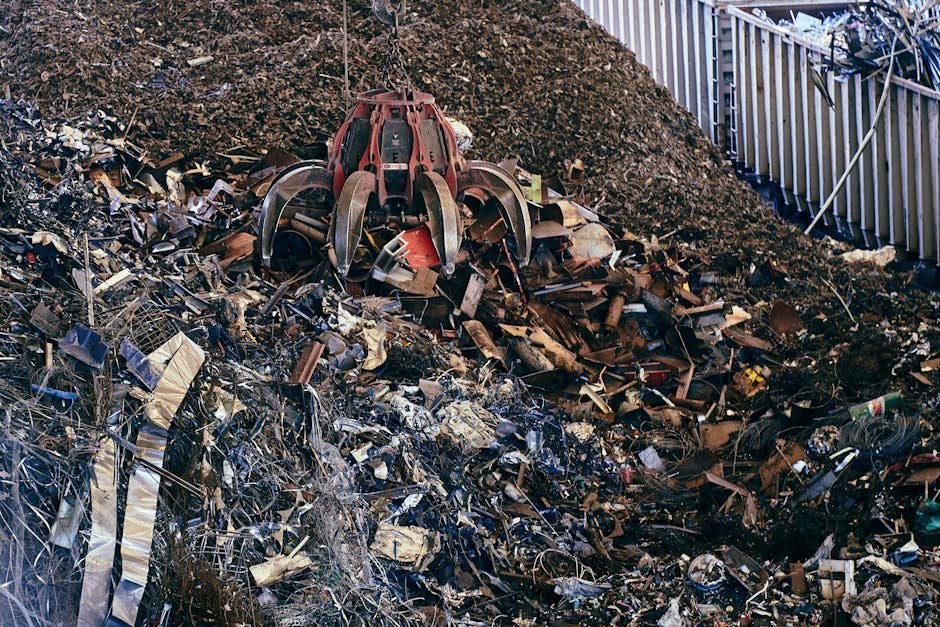

When searching for reliable scrap metal Airport West services, it is essential to understand the complex ecosystem of metal recovery. Whether you are a trade professional, a demolition contractor, or a local resident clearing out a workshop, navigating the market requires knowledge of material grades, current market fluctuations, and the logistical realities of disposal. As Australia pushes toward a circular economy, the role of local recycling hubs has never been more critical in diverting waste from landfills and preserving finite natural resources.
Understanding Metal Grades: Ferrous vs. Non-Ferrous
To maximize the value of your materials, you must first categorize them correctly. In the world of scrap metal Airport West, materials are broadly divided into two primary categories: ferrous and non-ferrous. Ferrous metals contain iron, are magnetic, and are typically used in construction and heavy industry. Common examples include structural steel, cast iron, and wrought iron. Because they are abundant, they are usually traded in higher volumes but at lower price points per kilogram compared to their non-ferrous counterparts.
Non-ferrous metals, which include copper, aluminium, brass, lead, and stainless steel, do not contain iron and are non-magnetic. These are highly prized for their corrosion resistance and electrical conductivity. Copper, in particular, is the “gold standard” of the recycling industry due to its infinite recyclability without loss of quality. When you visit a facility to Scrap Metal Recycling Near Me, you will find that the grading process is meticulous. Experts use chemical testing, spark testing, and visual inspection to determine the purity of the metal. For instance, “bright shiny copper” fetches a higher price than “burnt wire” because the former requires less processing to be refined into new wire or piping.
Understanding these grades is the first step in ensuring you receive fair compensation. Many beginners make the mistake of mixing grades, which can downgrade an entire batch to the value of the lowest-quality item in the bin. By separating your brass valves from your copper pipes and your aluminium extrusions from your steel offcuts, you ensure that you are paid the correct market rate for each specific material type.
How the Recycling Process Works
The journey from a pile of scrap to a new industrial product is a sophisticated industrial operation. Once metal arrives at a facility, the first step is weighing. Professional scales are calibrated to ensure precision, providing the basis for your payment. After weighing, the material undergoes a sorting process. Advanced facilities use magnetic separators to pull out ferrous metals, while non-ferrous metals are often sorted using eddy current separators or X-ray fluorescence (XRF) technology to identify the exact elemental composition of the alloy.
Once sorted, the metal is typically shredded or sheared. Shredding breaks the metal into small, manageable pieces, which makes it easier to remove contaminants like plastic, rubber, or glass. Shearing uses massive hydraulic guillotines to cut large beams or plates into furnace-ready sizes. This preparation is vital; smelters require specific dimensions and purity levels to operate efficiently. If you are looking to Sell Scrap Metal Near Me In 2026, choosing a facility that uses these advanced processing techniques ensures that your scrap is handled in a way that maximizes its recovery potential.
After processing, the metal is melted down in a furnace. This is the most energy-intensive part of the cycle, yet it is still significantly more efficient than mining and refining virgin ore. For example, recycling aluminium uses about 95% less energy than producing it from bauxite ore. The molten metal is then cast into ingots, billets, or sheets, which are sent back to manufacturers to create everything from car parts to beverage cans. This closed-loop system is the backbone of sustainable manufacturing in Australia.
Environmental and Economic Benefits
The environmental impact of recycling is profound. Mining for raw metals involves significant land degradation, water pollution, and greenhouse gas emissions. By choosing to recycle, you are directly contributing to the reduction of these negative externalities. Furthermore, the mining process is energy-heavy; by using recycled scrap, we reduce the demand for coal and electricity required for primary smelting. This is why local recycling in Airport West is not just a business transaction—it is an act of environmental stewardship.
Economically, the industry provides a vital stream of revenue for tradespeople and businesses. By staying informed about Scrap Metal Prices, you can time your sales to coincide with market highs. Global demand for commodities, particularly copper and aluminium, drives these prices. Factors such as infrastructure projects, automotive manufacturing trends, and global geopolitical stability all influence the market. If you are operating in other regions, you might compare these trends with scrap metal west sydney or research the scrap metal price west sydney to get a broader view of the national market landscape.
For businesses, implementing a robust scrap management program can turn a waste expense into a revenue stream. Instead of paying for skip bins to haul away mixed waste, separating your metals allows you to reclaim value. Many successful contractors now view their offcuts as a secondary currency, which helps offset the rising costs of raw materials. To learn more about optimizing your scrap management, visit the Australian industry experts for guidance on best practices.
Navigating Market Fluctuations and Pricing
Pricing is rarely static. It is influenced by the London Metal Exchange (LME) and local supply-demand dynamics. As a seller, it is important to understand that the price you see online is often a global benchmark, while the price you receive at the gate reflects local logistics, processing costs, and the purity of your specific lot. When you are dealing with scrap metal Airport West, you are dealing with a local node in a global supply chain.
To get the best return, keep your scrap clean. Contamination—such as bolts left in aluminium, or copper pipes still containing solder or insulation—will lower the price. If you have large volumes, talk to the yard about potential pickup services or specialized bin rentals. Building a relationship with a reputable buyer is often more beneficial than chasing the absolute highest price for a single load. A consistent, professional buyer will provide accurate grading, transparent weighing, and reliable payment terms, which are far more valuable in the long run.
Safety and Compliance in Scrap Handling
Safety is non-negotiable. Scrap metal can be heavy, sharp, and potentially hazardous. When handling materials, always wear appropriate personal protective equipment (PPE), including heavy-duty gloves, steel-toed boots, and high-visibility clothing. Be cautious when handling old appliances, as they may contain refrigerants, capacitors, or other materials that require specialized disposal. Never attempt to cut into sealed containers or pressurized tanks, as these pose a significant explosion risk.
Compliance with local regulations is equally important. Ensure that the facility you choose is licensed and operates in accordance with environmental protection policies. Illegal dumping or improper handling of hazardous scrap can lead to significant fines and environmental damage. By utilizing legitimate, authorized facilities, you ensure that your scrap is processed safely and legally, protecting both your business and the local community.
Future Trends in Metal Recycling
The future of the industry is leaning heavily into technology. We are seeing the rise of “smart sorting” where AI-powered cameras identify metal types in real-time on conveyor belts. This reduces human error and increases the purity of the final product. Additionally, the push for “green steel”—steel produced using hydrogen instead of coal—will change the demand profile for ferrous scrap in the coming decade. As the world transitions to renewable energy, the demand for copper, lithium, and other conductive metals will only continue to grow, making your scrap more valuable than ever.
Furthermore, digital platforms are making it easier for sellers to connect with buyers. By using resources like the global scrap trading platform, you can access real-time data and connect with a broader network of recyclers, ensuring that your materials find the most efficient path to reuse. The integration of blockchain in supply chains is also being explored to track the “provenance” of recycled metal, ensuring that manufacturers can verify the sustainability credentials of the materials they purchase.
Practical Tips for Maximizing Your Returns
To ensure you walk away with the best possible payout, follow these practical tips:
- Sort at the Source: Don’t wait until you get to the yard to sort your metal. If you have a workshop, use separate bins for copper, brass, aluminium, and steel.
- Remove Non-Metal Attachments: Strip insulation from copper wire, remove plastic handles from aluminium, and take out steel screws from aluminium extrusions.
- Keep it Clean: Dirt, oil, and moisture add weight that isn’t metal. A clean load is easier to grade and earns more.
- Call Ahead: If you have a large or unusual load, call the yard first. They can give you advice on how to prepare it and whether they have the capacity to process it immediately.
- Understand the Volume: Some yards offer better rates for larger quantities. If you have a small amount, consider storing it until you have a worthwhile load.
By treating your scrap with the same care as any other inventory, you turn a disposal problem into a profitable business asset. The industry is evolving, and those who take the time to learn the nuances of grading and market timing will always come out ahead.
Conclusion: The Path Forward
Recycling is the cornerstone of a sustainable future. Whether you are an individual or a large-scale commercial operator, your participation in the scrap metal ecosystem is vital. By understanding the grades, following safe practices, and staying informed about market conditions, you contribute to a circular economy that benefits everyone. Whether you are in Airport West or beyond, the principles remain the same: sort, clean, and recycle. We encourage you to engage with professional recyclers who prioritize transparency and environmental responsibility, ensuring that your contribution to the industry is both profitable and sustainable for generations to come.
Frequently Asked Questions
What is the difference between ferrous and non-ferrous scrap metal?
Ferrous metals contain iron and are magnetic, such as steel and iron, while non-ferrous metals do not contain iron and are non-magnetic, such as copper, aluminium, and brass. Non-ferrous metals are generally more valuable due to their specific properties and scarcity.
How can I get the highest price for my scrap metal?
To get the best price, ensure your scrap is clean, free of contaminants like plastic or insulation, and sorted by type. Building a relationship with a reputable yard and staying updated on market prices will also help you maximize your returns.
Is it safe to recycle old appliances?
Yes, but you must be careful. Some appliances contain hazardous materials like refrigerants or capacitors that require professional handling. Always check with your local recycling facility about their specific requirements for appliance disposal.
Why is recycling scrap metal better for the environment?
Recycling metal consumes significantly less energy than mining and refining virgin ore. It also reduces the need for landfills, conserves natural resources, and lowers the greenhouse gas emissions associated with industrial production.