
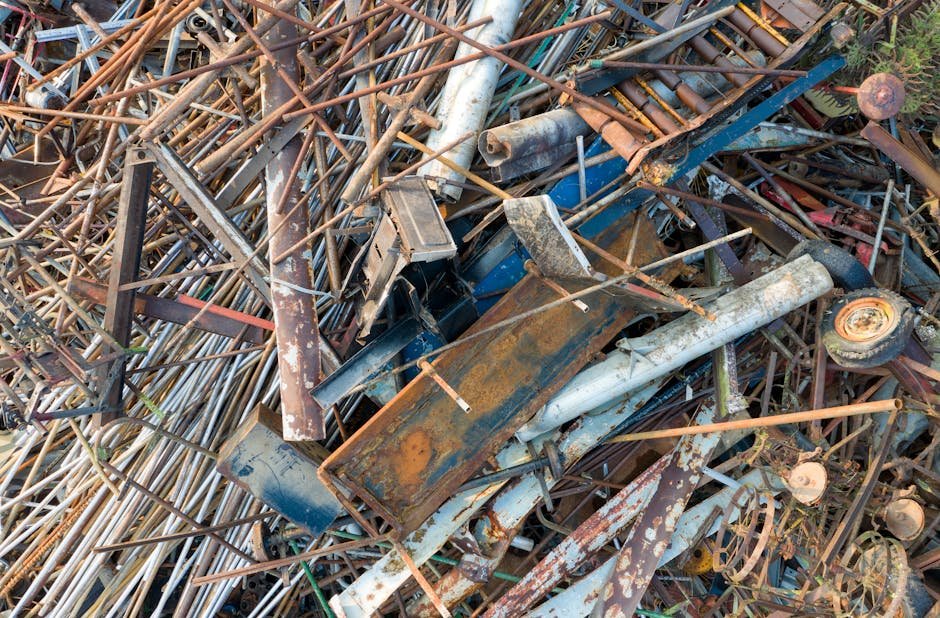

For businesses and residents looking for reliable scrap metal Clayton services, understanding the lifecycle of metal is the first step toward sustainable waste management and financial gain. Clayton, as a hub of industrial activity in Melbourne, produces a significant volume of scrap, ranging from manufacturing offcuts to end-of-life machinery and household appliances. By choosing to engage with professional recycling facilities, you ensure that valuable resources are diverted from landfills and returned to the global supply chain. Whether you are clearing out a warehouse or managing construction waste, knowing how to categorize your materials is essential for getting the best value when you Sell Scrap Metal Near Me In 2026.
Understanding Metal Grades: Ferrous vs. Non-Ferrous
The scrap metal industry is fundamentally divided into two primary categories: ferrous and non-ferrous metals. Recognizing the difference between these is critical for anyone involved in scrap metal Clayton operations, as the pricing and processing methods vary drastically. Ferrous metals contain iron and are magnetic. Common examples include steel, iron, and stainless steel. Because these are produced in massive quantities, they are often recycled in bulk. If you are looking for current market trends, you should regularly check our updated Scrap Metal Prices to understand how global demand influences the value of your haul.
Non-ferrous metals, on the other hand, do not contain iron and are generally more valuable due to their resistance to corrosion and their infinite recyclability. This category includes copper, aluminium, brass, lead, and zinc. Copper is particularly prized in the industry for its high conductivity and demand in electrical infrastructure. When you bring these materials to a Scrap Metal Recycling Near Me facility, the staff will use specialized testing equipment, such as XRF analyzers, to confirm the alloy composition. This ensures that you are paid accurately for the specific grade of metal you are providing.
Beyond these two categories, there are sub-grades that dictate the final value. For instance, ‘bright shiny copper’ fetches a higher price than ‘burnt copper,’ which may have impurities. Similarly, in the realm of aluminium, ‘extrusion’ is valued differently than ‘cast’ or ‘sheet’ aluminium. Understanding these nuances allows you to sort your materials before arrival, which not only speeds up the transaction process but often results in better financial outcomes. For those operating in other regions, we also provide resources for scrap metal belgrave and wangaratta scrap metal to ensure consistent service standards across Victoria.
The Process: How Scrap Metal Recycling Works
The journey from a discarded item to a new product is a sophisticated industrial process. Once scrap metal Clayton materials are collected, they undergo a rigorous multi-stage recycling process. The first step is the collection and weighing phase. Professional facilities use calibrated scales to ensure transparency. Once weighed, the material is sorted. While magnets are used to pull out ferrous metals, advanced optical sorting and density separation techniques are employed for non-ferrous materials. This is where the expertise of a high-quality scrap metal trading platform becomes vital, as proper sorting prevents cross-contamination of alloys.
After sorting, the metal is processed. This often involves shredding or shearing. Shredding breaks the metal into small pieces, which increases the surface-area-to-volume ratio, making it easier to separate contaminants like plastic, rubber, or glass. Once shredded, the material is melted in a furnace. The melting point varies by metal type; for instance, aluminium melts at a significantly lower temperature than steel. The molten metal is then refined to remove impurities and cast into ingots or billets. These ingots serve as the raw material for manufacturers worldwide, creating a closed-loop system that reduces the need for virgin ore extraction.
This entire process is designed to be as energy-efficient as possible. By utilizing professional scrap metal recycling services, you are contributing to a system that uses up to 95% less energy to produce aluminium from scrap compared to bauxite ore. The industrial sector in Clayton plays a pivotal role in this, as the concentration of manufacturing firms allows for a steady stream of high-quality, clean scrap that is ideal for immediate processing.
Environmental Benefits of Recycling Metal
The environmental argument for recycling is overwhelming. Extracting virgin metals through mining is one of the most resource-intensive and environmentally damaging activities on the planet. It involves massive land clearing, habitat destruction, and the release of toxic chemicals into local water tables. By recycling, we bypass the need for mining, significantly reducing our carbon footprint. Every tonne of steel recycled saves over a tonne of iron ore, 600kg of coal, and 50kg of limestone.
Furthermore, recycling plays a crucial role in waste management. Landfills are rapidly reaching capacity, and metal waste is particularly problematic because it does not biodegrade. When metal is dumped, it can leach heavy metals into the soil and groundwater. By participating in scrap metal Clayton recycling programs, you are actively preventing these pollutants from entering the ecosystem. This is a core pillar of the circular economy, where the goal is to keep materials in use for as long as possible, extracting the maximum value from them while minimizing the generation of waste.
The energy savings are equally impressive. When you recycle copper, you save roughly 85% of the energy required to mine and refine new copper. For lead, the savings are even more dramatic. By choosing to recycle, you are directly supporting the transition to a greener economy. This is not just about cleaning up a backyard; it is about participating in a global effort to conserve natural resources for future generations. As we move toward 2026, the demand for recycled metals is only expected to grow, making your contribution to the recycling stream more valuable than ever.
Maximizing Your Returns: Practical Tips for Sellers
If you have scrap metal to sell, a little preparation goes a long way. The most important tip is to keep your metals separated. If you mix copper pipes with steel bolts, the entire load may be downgraded to a lower price tier because the facility will have to spend time separating them. By keeping your ferrous and non-ferrous metals in separate bins, you demonstrate that you are a professional supplier, which can often lead to better relationships with your local yard.
Another tip is to remove non-metallic attachments. If you are recycling an electric motor, removing the steel housing or the plastic casing can sometimes allow the internal copper windings to be processed more efficiently. However, always consult with your local yard first, as some facilities have specific protocols for how they prefer materials to be presented. Cleanliness matters; dirt, oil, and excessive paint can lower the value of your scrap. While a small amount of residue is expected, heavily contaminated loads may be rejected or charged a disposal fee.
Finally, keep an eye on the market. Metal prices are volatile and fluctuate based on global supply and demand, currency exchange rates, and manufacturing output. By staying informed about market conditions, you can time your sales to coincide with price peaks. Developing a long-term relationship with a reputable buyer is also beneficial. They can provide you with insights into upcoming market trends and help you manage your scrap inventory more effectively. Always ensure that the facility you choose is licensed and follows all local environmental regulations, as this guarantees that your metal is being handled ethically and legally.
The Future of Metal Recycling in Australia
The Australian scrap metal industry is undergoing a digital transformation. We are seeing increased transparency in pricing, better tracking of materials, and more efficient logistics. As technology advances, the ability to sort and process complex alloys will improve, leading to higher recovery rates. In regions like Clayton, where industrial manufacturing is a key economic driver, the integration of smart recycling technologies will be essential for maintaining competitiveness and sustainability.
We are also seeing a shift in consumer and business behavior. There is a growing awareness of corporate social responsibility, and companies are increasingly prioritizing suppliers who can prove they are recycling their waste responsibly. This is driving a demand for certified recycling processes. As we look toward the future, the scrap metal industry will continue to be a cornerstone of the green economy, providing the raw materials needed for everything from electric vehicles to renewable energy infrastructure. The circular economy is no longer just a concept; it is a necessity, and the scrap metal industry is leading the way.
By engaging with local experts, you are not just selling scrap; you are fueling a massive, global manufacturing engine that relies on recycled inputs to function. Whether you are a small business owner in Clayton or a large-scale industrial operator, your role in this chain is vital. Keep your scrap clean, stay informed about market conditions, and choose partners who value sustainability as much as you do. The future of our planet depends on our ability to manage our resources effectively, and it starts with the simple act of recycling your scrap metal.
Why Choose Professional Recycling Services?
Choosing a professional scrap metal partner is about more than just the price per kilogram. It is about safety, compliance, and efficiency. Professional yards are equipped to handle hazardous materials, such as lead-acid batteries or gas cylinders, which should never be placed in general waste. They have the machinery to safely dismantle large items, ensuring that the process is accident-free. Furthermore, they provide documented evidence of recycling, which can be essential for businesses that need to meet environmental reporting standards.
When you work with an established platform, you benefit from their logistical expertise. They can provide bins, scheduled pickups, and efficient loading services, which saves you time and reduces the operational burden of managing waste. This allows you to focus on your core business while knowing that your waste is being handled in accordance with the highest industry standards. In a competitive market, having a reliable partner who understands the nuances of scrap metal grades and pricing is a significant advantage.
Additionally, professional recyclers are deeply integrated into the global supply chain. They have the connections to sell processed scrap to the most efficient smelters and refineries, ensuring that the value chain is optimized. This is why they can often offer better prices than smaller, less connected operators. By choosing a partner with a strong reputation, you are ensuring that your contribution to the recycling stream is maximized, both in terms of environmental impact and financial return. Always prioritize safety and transparency when selecting your recycling partner, and don’t be afraid to ask questions about their processing methods and end-markets.
Frequently Asked Questions
What is the most valuable scrap metal to recycle?
Copper is generally the most valuable scrap metal due to its high demand in electrical and plumbing industries. Other high-value metals include brass, stainless steel, and aluminium, though prices fluctuate based on market demand.
Do I need to clean my scrap metal before bringing it to a facility?
Yes, removing non-metallic attachments like plastic, rubber, or excessive dirt will significantly increase the value of your scrap. Clean metal is easier to process and is therefore more desirable for recycling yards.
How do I know if my metal is ferrous or non-ferrous?
The easiest way to tell is by using a magnet. If a magnet sticks to the metal, it is ferrous (contains iron, such as steel or iron). If the magnet does not stick, it is non-ferrous, such as copper, aluminium, or brass.
Why are scrap metal prices always changing?
Scrap metal prices are driven by global supply and demand, manufacturing production levels, and currency exchange rates. Because metal is a global commodity, local prices in Clayton are influenced by international market trends.