
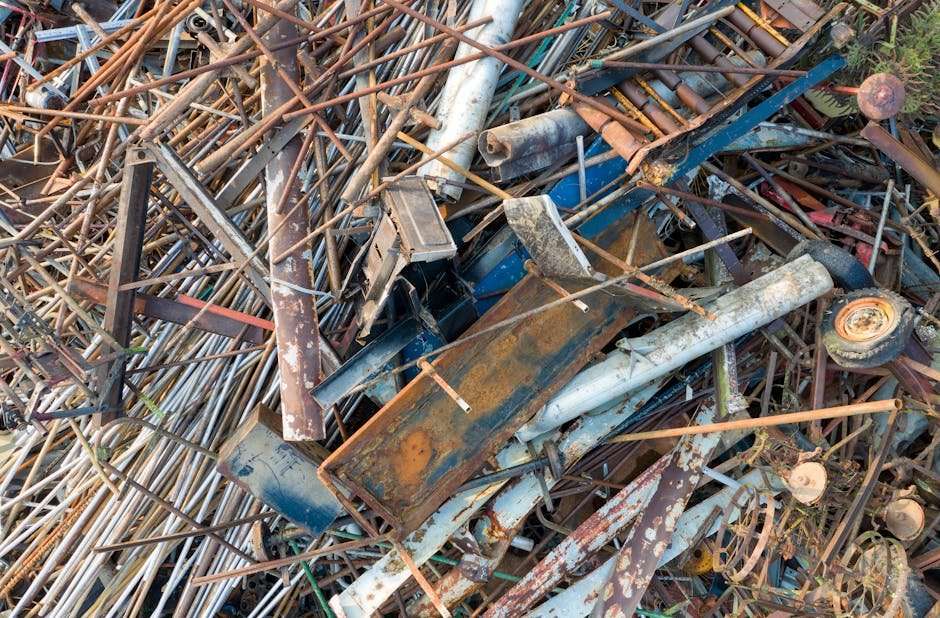

When you are looking for mandurah scrap metal services, you are participating in a vital circular economy that supports both the local Western Australian environment and the global manufacturing supply chain. Whether you are a tradesperson, a construction contractor, or a household resident, understanding how to manage your metal waste is the first step toward turning discarded items into valuable assets. As the industry evolves, staying informed about current market trends is essential, especially when you are ready to Sell Scrap Metal Near Me In 2026.
The Fundamentals of Mandurah Scrap Metal Grades
To succeed in the metal trading industry, you must first understand the classification of materials. Metals are primarily divided into two main categories: ferrous and non-ferrous. Ferrous metals contain iron, are magnetic, and are generally more prone to rust. Common examples include mild steel, carbon steel, and cast iron. Because of their abundance, they are often traded in high volumes. If you are searching for Scrap Metal Recycling Near Me, you will likely find that local yards prioritize the efficient handling of these heavy-duty materials.
Non-ferrous metals, on the other hand, do not contain iron and are prized for their resistance to corrosion and high conductivity. This category includes copper, aluminium, brass, lead, and zinc. Copper is arguably the most valuable commodity in the scrap world due to its extensive use in electrical wiring and plumbing. When you bring your mandurah scrap metal to a facility, the staff will test your items to determine the grade. High-grade copper (often referred to as ‘bright and shiny’) commands a higher price than copper with insulation or oxidation. Understanding these nuances is key to maximizing your profit. For those interested in tracking the value of these materials, checking daily Scrap Metal Prices is a standard practice for professionals.
Beyond the basic categories, alloys play a massive role. Stainless steel, for instance, contains chromium and nickel, making it highly valuable compared to standard mild steel. Aerospace-grade aluminium and specialised lead-acid batteries also require specific handling procedures. By separating your metals before you arrive at the yard, you significantly increase the efficiency of the sorting process, which often leads to better pricing for the seller.
How the Recycling Process Works
The journey from a discarded piece of pipe in a Mandurah backyard to a new automotive part is a complex, multi-stage industrial process. Once the material is collected, it undergoes a rigorous sequence of operations. First, the material is weighed on certified scales to ensure transparency. This is a critical step in the Australian scrap metal trading market, as it establishes the baseline for payment.
After weighing, the sorting phase begins. Modern recycling facilities use a combination of manual labor, magnetic separators, and advanced sensor-based sorting technology like X-ray fluorescence (XRF) to identify the exact chemical composition of the scrap. This ensures that contaminants—such as plastic, glass, or dirt—are removed, as these can ruin a batch of molten metal during the smelting process.
Once sorted, the metal is processed. Large hydraulic shears and shredders reduce bulky items into smaller, manageable pieces. For certain metals, baling is used to compress the material into high-density cubes, which are easier to transport and feed into furnaces. The final stage is smelting, where the scrap is melted down and cast into ingots or billets. These are then sold to manufacturers to create everything from new steel beams to aluminium cans. This process is remarkably efficient; recycling aluminium, for example, requires 95% less energy than producing it from raw bauxite ore.
Environmental Benefits of Metal Recycling
The environmental impact of metal recycling cannot be overstated. By choosing to trade your mandurah scrap metal rather than sending it to a landfill, you are directly contributing to the preservation of natural resources. Mining for virgin ore is an energy-intensive and ecologically destructive process that involves deforestation, soil erosion, and the contamination of water tables.
Furthermore, the carbon footprint of recycling is significantly lower than that of primary production. The reduction in greenhouse gas emissions when using recycled steel is substantial, as it bypasses the need for coke-fired blast furnaces. In the context of Western Australia, where environmental conservation is a high priority, local recycling initiatives help keep Mandurah clean and reduce the pressure on regional waste management facilities.
Beyond carbon emissions, recycling helps manage the lifecycle of hazardous materials. Lead-acid batteries, for instance, contain toxic chemicals that can leach into the soil if disposed of improperly. By bringing these to a certified facility, you ensure that the lead and acid are recovered and neutralized in a controlled environment. This is a core component of the global scrap metal trading platform that connects local sellers to international markets.
Expanding Your Reach: Beyond Mandurah
While Mandurah is a hub for industrial activity, the scrap metal network extends far beyond the Peel region. Whether you are operating in the eastern suburbs or regional Victoria, the principles of professional recycling remain the same. For instance, many of our users often compare their local experiences with those found in scrap metal clayton or the specialized services provided in scrap metal belgrave. Understanding how these hubs operate can provide insights into market standards and best practices that you can apply locally.
The key to success in any region is building a relationship with a reputable buyer. A good facility will provide clear, honest appraisals and offer advice on how to prepare your load for the highest return. They should also provide documentation for your transactions, which is essential for businesses that need to track their environmental compliance and waste disposal records.
Practical Tips for Scrap Metal Sellers
To get the most out of your scrap metal, preparation is everything. First, keep your metals separated by type. Mixing copper, brass, and steel will result in a ‘mixed’ or ‘dirty’ price, which is significantly lower than the price for pure, sorted metals. If you have a large quantity of a specific grade, it is worth your time to clean it thoroughly.
Second, remove non-metallic attachments. If you are scrapping a motor or a piece of machinery, removing plastic casings, rubber hoses, or wood will save the yard time and increase your payout. Third, know the market. Prices fluctuate based on global demand, particularly in the manufacturing and construction sectors. Check the current rates before you load up your trailer.
Finally, safety is paramount. Scrap metal can be sharp, heavy, and occasionally hazardous. Always wear appropriate personal protective equipment (PPE), including gloves, steel-toed boots, and high-visibility clothing. When transporting your scrap, ensure it is securely tied down to comply with road safety regulations. If you are unsure about a specific item, call your local yard ahead of time—they are usually happy to advise on whether they accept specific types of materials.
The Future of the Scrap Metal Industry
Looking ahead to 2026 and beyond, the scrap metal industry is poised for significant technological disruption. We are seeing a move toward more transparent, digital-first trading platforms that allow sellers to track prices in real-time and schedule pickups with ease. The integration of blockchain technology for supply chain traceability is also becoming more common, ensuring that recycled materials are ethically sourced and handled.
For the residents and businesses of Mandurah, this means more opportunities to participate in the green economy. As sustainability becomes a core pillar of corporate and government policy, the value of recycled metal will likely continue to rise. By positioning yourself as a knowledgeable participant in this market, you are not only securing a financial return but also playing a part in a global movement toward a more sustainable and resource-efficient future.
We encourage you to continue learning about the materials you handle. Whether it is identifying the difference between 304 and 316 stainless steel or understanding the nuances of insulated wire stripping, every bit of knowledge adds value to your bottom line. Use the resources available on our site to stay updated on industry news, market shifts, and regulatory changes that affect the scrap metal trade across Australia.
Conclusion: Taking Action Today
Recycling is more than just a chore; it is an economic and environmental imperative. By managing your mandurah scrap metal responsibly, you support local industry, protect the beautiful Western Australian landscape, and contribute to a global circular economy that saves energy and reduces the need for new mining operations. Whether you are a small-scale recycler or a large commercial contractor, the tools and information provided here are designed to help you navigate the market with confidence.
Remember that the value of your scrap is determined by the quality of your sorting and your understanding of the market. Start small, stay organized, and always prioritize safety. If you are ready to turn your scrap into cash, reach out to a trusted local facility today. The transition to a greener future starts with the decisions we make in our own backyards, workshops, and construction sites. Let’s make the most of our resources and ensure that nothing goes to waste.
Frequently Asked Questions
What is the most valuable type of scrap metal to collect?
Copper is consistently one of the most valuable scrap metals due to its high demand in electrical and plumbing applications. Other high-value metals include brass, stainless steel, and aluminium, though their prices fluctuate based on global market conditions.
Do I need to clean my scrap metal before bringing it to a yard?
Yes, cleaning your scrap by removing non-metallic attachments like plastic, rubber, or wood significantly increases your payout. Sorting your metals by type before arriving ensures you receive the highest possible grade price rather than a lower ‘mixed’ rate.
How often do scrap metal prices change?
Scrap metal prices can change daily or even hourly, as they are tied to global commodity markets and industrial demand. It is recommended to check current market rates shortly before visiting a recycling facility to ensure you are informed about the latest pricing.
Is it safe to recycle old batteries and electronics?
Yes, but these items require specialized handling due to hazardous materials like lead and acid. Always inform the facility staff if you have batteries or electronics so they can process them safely and prevent environmental contamination.