
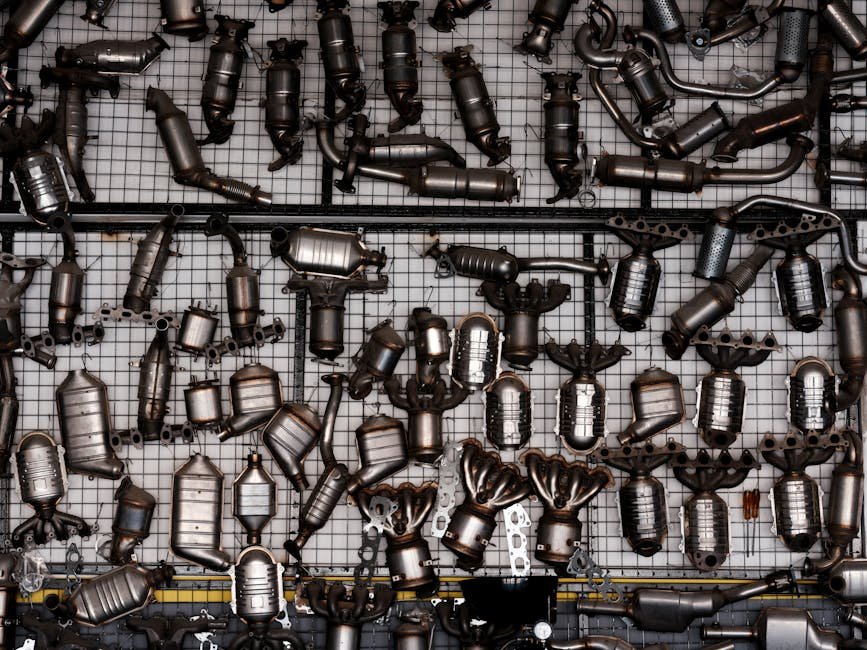

Are you considering selling catalytic converter units in Australia? Whether you’re an auto mechanic, a car wrecker, or simply have a spare unit from an old vehicle, understanding the market and process is crucial for maximizing your return. Catalytic converters contain valuable precious metals like platinum, palladium, and rhodium, making them a sought-after item in the scrap metal industry. However, navigating the selling process requires knowledge and caution to ensure a safe and profitable transaction.
Understanding the Value of Your Catalytic Converter
The core value of a catalytic converter lies in the precious metals coated onto its ceramic honeycomb structure. The specific type and quantity of these metals vary significantly between manufacturers and vehicle models. Factors such as the converter’s size, age, condition, and the current global market prices for platinum, palladium, and rhodium all influence its scrap value. For a detailed breakdown of how these factors affect pricing, you might find our guide on Ecotrade Catalytic Converter values insightful. Identifying the specific codes on your converter can help in getting a more accurate valuation, as these codes often correspond to the metal content.
The Process of Selling Catalytic Converters Safely
When it comes to selling catalytic converter units, safety and legality are paramount. Due to the rise in catalytic converter theft, many Australian states have strict regulations regarding their sale, often requiring proof of ownership or business registration. Always ensure you are dealing with reputable and licensed scrap metal recyclers. The first step is typically identification and grading. Many buyers will ask for photos of the converter, including any serial numbers or markings, to provide an initial estimate. For a comprehensive guide on the entire process, including how to prepare your unit for sale, refer to our article on Sell My Catalytic Converter. We also offer detailed advice on Selling Catalytic Converters How To Maximize Your Profit Safely, covering everything from identification to secure payment methods. Additionally, for an in-depth understanding of the Australian context, check out Selling a Catalytic Converter: The Complete Australian Guide.
Maximizing Your Profit When Selling Catalytic Converters
To ensure you get the best possible price, research is key. Precious metal prices fluctuate daily, so staying informed about current market trends can significantly impact your profit. Don’t settle for the first offer; instead, gather quotes from several reputable buyers. Online platforms like Scrap.Trade and ScrapTrade.com.au connect sellers with a network of verified buyers, allowing you to compare offers and secure the most competitive price. Ensure that any quote you receive is transparent, detailing how the value was determined. For more strategies on getting the most out of your units, our resource A Comprehensive Guide to Selling Used Catalytic Converter Units provides excellent tips on negotiation and understanding grading systems. By following these steps, you can confidently navigate the process of selling catalytic converter units and achieve maximum value for your scrap.
In conclusion, selling catalytic converters can be a lucrative venture if approached correctly. By understanding the factors that determine value, adhering to safe and legal practices, and actively seeking competitive quotes, you can ensure a successful and profitable transaction. Trust reputable platforms and buyers to protect your interests and get the best return on your valuable scrap metal.
Frequently Asked Questions
What makes catalytic converters valuable?
Catalytic converters are valuable due to the precious metals they contain: platinum, palladium, and rhodium. These metals act as catalysts, converting harmful pollutants into less toxic gases. Their scarcity and industrial demand drive their high scrap value.
How can I determine the value of my catalytic converter?
The value depends on several factors, including the type of vehicle it came from, the specific model, its condition, and the current market prices of platinum, palladium, and rhodium. Many converters have serial numbers or codes that can help reputable buyers identify the exact type and metal content for a more accurate quote.
Is it legal to sell a catalytic converter in Australia?
Yes, it is legal to sell a catalytic converter in Australia, provided you are the rightful owner and can prove its legitimate origin. Due to increased theft, many states have strict regulations requiring identification and proof of ownership or business registration for sellers. Always deal with licensed and reputable scrap metal recyclers.
What’s the best way to get the most money for my catalytic converter?
To maximize your profit, research current market prices for precious metals, identify your converter’s specific type and grade, and obtain quotes from multiple reputable buyers. Online platforms like Scrap.Trade can help you compare offers from various verified recyclers to ensure you get the most competitive price.