
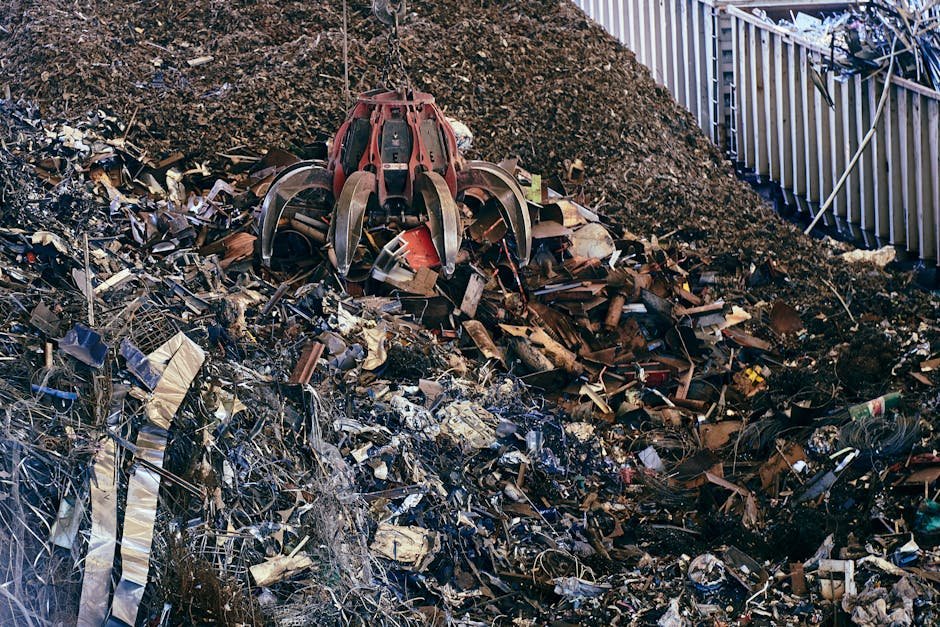

Navigating the world of cash for scrap requires more than just a pile of old metal; it requires an understanding of how the global commodities market values different materials. In Australia, the scrap metal industry is a vital component of the circular economy, ensuring that finite resources like copper, aluminium, and steel are diverted from landfills and returned to the manufacturing stream. Whether you are a tradesperson with leftover copper piping or a homeowner clearing out a garage, knowing the nuances of metal grading and the recycling lifecycle is the key to a profitable and sustainable transaction.
The Fundamentals of Cash for Scrap in Australia
The concept of cash for scrap has evolved from a simple waste management solution into a sophisticated trading ecosystem. Today, the industry is governed by strict environmental regulations and market-driven pricing. When you look to Sell Scrap, you are participating in a global supply chain where the value of your material is dictated by international exchange prices, such as those on the London Metal Exchange (LME).
Understanding the distinction between ferrous and non-ferrous metals is the first step for any seller. Ferrous metals contain iron and are magnetic, such as steel and cast iron. While they are recycled in massive volumes, their per-kilo value is generally lower than non-ferrous metals. Non-ferrous metals, including copper, brass, and aluminium, do not contain iron, are non-magnetic, and offer significantly higher payouts. Utilizing an online scrap metal marketplace can help you track these fluctuating values in real-time.
Decoding Metal Grades: How Value is Determined
Not all metal is created equal. The purity and condition of the material define its “grade,” which in turn determines the price per kilogram. For a comprehensive overview, you should consult our Cash for Scrap Metal: Grades, Recycling & Eco Benefits Guide. Below is a breakdown of the most common grades found in the Australian market.
Copper Grades
- Bright & Shiny: This is the highest grade of copper. It consists of uncoated, unalloyed copper wire that is at least 16 gauge in thickness. It must be free of any solder, paint, or insulation.
- Copper No. 1 (Candy): This includes clean copper tubing and heavy solids. It must be free of brass fittings, solder, and excessive oxidation.
- Copper No. 2 (Birch/Cliff): This grade allows for some contamination, such as solder spots, light oxidation, or small amounts of plating. It is common in household plumbing.
- Insulated Copper Wire: This is graded based on the copper recovery percentage. High-yield cables (like heavy power cables) fetch more than low-yield data cables.
Aluminium Grades
- Extrusion: Clean aluminium profiles, often from window frames or door tracks. These are highly sought after for their purity.
- Cast Aluminium: Often found in engine parts and BBQ frames, this grade contains more silicon and other alloys.
- Domestic/Mixed: A catch-all for general household aluminium items, including siding and gutters.
Brass and Bronze
Brass is an alloy of copper and zinc. Clean brass (free of iron or plastic attachments) is valuable. “Honey” brass refers to yellow brass solids, while “Ebony” refers to red brass, which has a higher copper content and thus a higher value. For those dealing with industrial volumes, Gmr Scrap often handles high-grade alloy recovery.
The Industrial Recycling Lifecycle: From Waste to Raw Material
The journey from a discarded item to a new product is a complex industrial process. Understanding this process highlights why certain materials are more valuable than others. For more detail, read our Complete Guide to Scrap for Cash: Recycling and Metal Valuation.
- Collection and Sorting: The first stage involves gathering materials and using magnets, eddy current separators, and X-ray technology to sort them by grade.
- Processing and Shredding: Metals are shredded into small pieces to increase the surface-area-to-volume ratio, making the melting process more energy-efficient.
- Melting: The shredded metal is placed in a large furnace. Each metal has a specific furnace designed for its melting point and chemical properties.
- Purification: To ensure the final product is of high quality, impurities are removed using electrolysis or oxygen blasting.
- Solidification: The molten metal is cooled into ingots, bars, or sheets, ready to be shipped to manufacturers.
By using professional Australian scrap metal recycling services, you ensure that this lifecycle is handled according to ISO standards, maximizing the recovery of usable material.
Environmental Impact: Why Recycling Matters for the Planet
The environmental benefits of cash for scrap programs cannot be overstated. Mining virgin ore is an energy-intensive process that causes significant land degradation and carbon emissions. Recycling metal, by contrast, uses a fraction of the energy.
For example, recycling aluminium saves up to 95% of the energy required to produce it from bauxite ore. For steel, the energy saving is roughly 75%, and for copper, it is around 85%. These savings translate directly into reduced greenhouse gas emissions. Furthermore, recycling prevents heavy metals from leaching into the soil and groundwater in landfills, protecting local ecosystems. When you trade in your Scrap, you are actively reducing the demand for destructive mining practices.
Practical Tips to Increase Your Scrap Metal Payout
To get the most cash for scrap, a little preparation goes a long way. Professional yards prefer material that requires minimal processing on their end.
- Separate Your Metals: Never mix your copper with your brass or your aluminium with your steel. Use a magnet to identify ferrous metals (they stick) and keep them in separate bins.
- Clean Your Material: Remove plastic handles, rubber insulation, and steel screws from non-ferrous items. A “clean” grade always pays significantly more than a “dirty” or “mixed” grade.
- Strip Your Wires: If you have the time and the right tools, stripping the plastic insulation off copper wire can double its value per kilogram.
- Monitor Market Prices: Metal prices change daily. If you have the storage space, wait for market peaks to sell your bulk loads.
- Bulk is Better: Many yards offer better rates for larger quantities as it reduces their transport and administrative overhead.
Navigating Australian Regulations and Compliance
The scrap metal industry in Australia is strictly regulated to prevent the trade of stolen goods. In many states, including New South Wales, Victoria, and Queensland, it is illegal for scrap metal dealers to pay cash for scrap metal. Payments must be made via electronic funds transfer (EFT) or cheque.
Sellers are typically required to provide valid photo identification, such as a driver’s license, and the dealer must keep a record of the transaction. These laws are designed to ensure transparency and accountability within the industry. Always ensure you are dealing with a licensed operator who follows these legal requirements to ensure your transaction is legitimate and secure.
The Role of Technology in Modern Scrap Trading
The digital transformation of the recycling industry has made it easier than ever for businesses and individuals to monetize their waste. Online platforms now allow users to request quotes, schedule pickups, and track the historical pricing of various metal grades. This transparency has forced the industry to become more competitive, benefiting the end-user. By leveraging technology, sellers can find the best rates across a wider geographic area, ensuring they aren’t limited to the local yard’s potentially lower offers.
The Future of the Circular Economy and Metal Recovery
As the world moves toward a net-zero future, the importance of secondary raw materials will only grow. The transition to electric vehicles (EVs) and renewable energy infrastructure requires massive amounts of copper, lithium, and cobalt. Recycling existing infrastructure will be the only way to meet this demand sustainably. The cash for scrap industry is the frontline of this transition, turning the waste of today into the infrastructure of tomorrow. By understanding the grades, processes, and benefits outlined in this guide, you are better equipped to navigate this essential market and contribute to a greener Australia.
Related: Scrap
Frequently Asked Questions
How is the price of scrap metal calculated?
Scrap metal prices are determined by the current market value on global exchanges like the LME, the purity (grade) of the metal, and the total weight. Local demand and transport costs also influence the final price offered by a recycling yard.
Can I get actual cash for my scrap metal in Australia?
In most Australian states, including NSW and Victoria, ‘cash for scrap’ is a figure of speech because laws prohibit physical cash payments to prevent the sale of stolen materials. Instead, payments are made securely via electronic bank transfer or cheque.
What is the difference between ‘clean’ and ‘dirty’ scrap?
‘Clean’ scrap refers to metal that is free from attachments like plastic, rubber, wood, or other metal types. ‘Dirty’ scrap contains these contaminants and requires more processing, resulting in a lower payout for the seller.
Why is copper more valuable than other metals?
Copper is highly valued due to its excellent electrical and thermal conductivity, as well as its relative scarcity compared to iron. It is essential for electronics, plumbing, and renewable energy systems, keeping its market demand consistently high.