
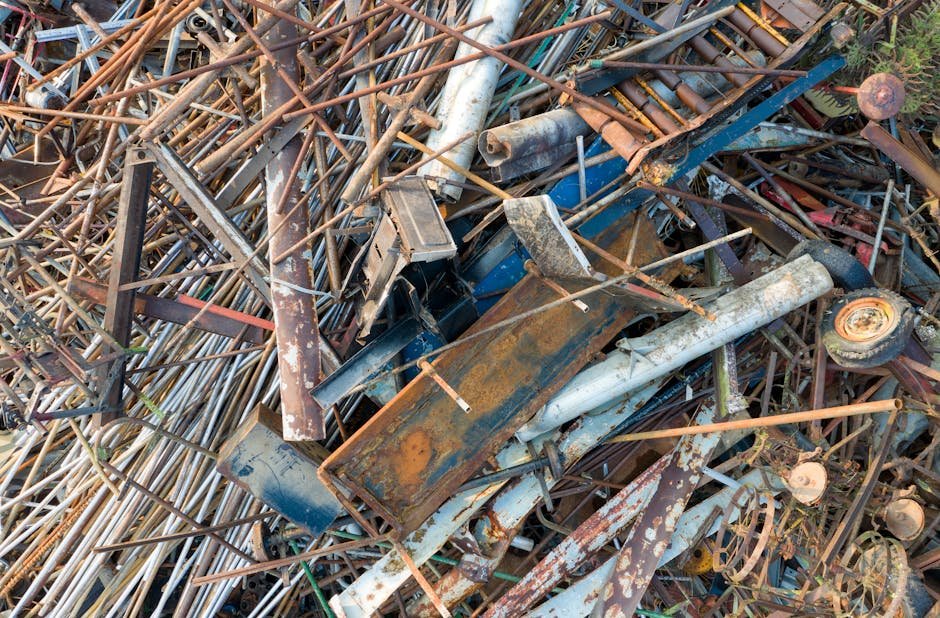

Navigating the windsor scrap metal landscape requires more than just gathering old pipes and wiring; it demands a technical understanding of material grades, market volatility, and the logistics of responsible recycling. As industrial and residential development continues to accelerate across the region, the demand for efficient metal recovery has never been higher. Whether you are a trade professional clearing a site or a homeowner disposing of appliance waste, understanding how to classify your materials is the first step toward securing the best possible financial return. This Comprehensive Guide to Scrap Metal Windsor: Recycling & Trading serves as your authoritative resource for navigating local facilities, understanding commodity trends, and contributing to a circular economy. By choosing a reputable Metal Scrap Yard Near Me, you ensure that your materials are processed according to Australian environmental standards, preventing hazardous waste from entering landfills and preserving finite natural resources.
Understanding Scrap Metal Grades and Classification
The value of your scrap is fundamentally dictated by its classification. In the industry, metals are split into two primary categories: ferrous and non-ferrous. Ferrous metals, such as iron and steel, contain carbon and are magnetic. While these are abundant, they are essential for construction and heavy infrastructure. Non-ferrous metals—including copper, aluminium, brass, and lead—are non-magnetic and significantly more valuable due to their infinite recyclability and lower extraction costs compared to mining virgin ore. Within these categories, specific grades further refine the pricing. For instance, ‘Bright Shiny Copper’ commands the highest market rate because it requires minimal processing for smelters. In contrast, ‘Copper #2’ may contain lacquer, insulation, or oxidation, requiring additional labor. When you visit a windsor scrap metal facility, you will find that accuracy in sorting your materials is the single most effective way to increase your payout. Avoid mixing different metal types, as contamination can downgrade a high-value load of copper to a lower-tier ‘mixed metal’ price. Always consult current Scrap Metal Prices to understand how global market fluctuations affect the value of your specific grade. Experienced traders often keep a magnet and a file on hand to test material purity before transporting it to a yard, ensuring they are not wasting fuel on low-value loads.
The Lifecycle of Scrap: How Recycling Works
The recycling process is a sophisticated industrial operation that transforms discarded metal into high-grade raw materials. Once scrap reaches a facility like Crg Scrap Metal, it undergoes a rigorous multi-stage transformation. First, the material is weighed on certified scales to establish a baseline for payment. Following the intake, the sorting phase begins. Advanced facilities utilize heavy-duty magnets to separate ferrous metals from the stream, while eddy current separators are employed to isolate non-ferrous metals like aluminium and copper. For complex items like electronics or motors, manual dismantling is required to extract high-value components. Once sorted, the metal is processed through shredders or hydraulic shears, reducing the size of the material for efficient transport and melting. The resulting ‘shred’ is then cleaned of impurities, such as plastics, rubber, or glass, ensuring the final product meets the stringent quality requirements of domestic and international smelters. This systematic approach is why professional recycling is vastly superior to landfilling. By participating in this loop, you are supporting a global network of metal recyclers dedicated to resource efficiency. The energy savings from using recycled aluminium versus virgin bauxite is approximately 95%, a staggering figure that underscores the environmental urgency of proper scrap management.
Environmental and Economic Benefits of Recycling
The environmental impact of recycling is profound, yet the economic incentives are equally compelling. Mining is an energy-intensive and environmentally destructive process that strips the landscape, consumes vast quantities of water, and emits significant greenhouse gases. By contrast, the windsor scrap metal industry acts as an urban mine, providing a steady supply of secondary raw materials that require a fraction of the energy to produce. From a local perspective, recycling programs reduce the pressure on municipal waste management systems and prevent toxic heavy metals from leaching into the soil and groundwater. Furthermore, the industry creates local jobs, from logistics and heavy machinery operation to technical sorting and environmental compliance. When you choose to recycle, you are not merely clearing your property; you are participating in a global supply chain that keeps manufacturing costs down and reduces the carbon intensity of new product development. For businesses, implementing a scrap recovery program can also lead to significant tax and waste-management savings. By partnering with a verified service provider at scrap trade Australia, companies can ensure their waste streams are audited and handled with full transparency, which is increasingly important for ESG (Environmental, Social, and Governance) reporting in the modern Australian economy.
Advanced Tips for Maximizing Your Scrap Value
To maximize the return on your scrap, you must treat the process with the same diligence as any other business transaction. Preparation is key. For example, stripping insulation from copper wiring can double or triple the price per kilogram, provided you have the time and the right tools. However, always calculate the labor cost versus the price increase to ensure the effort is profitable. Keep your metals sorted by type: keep your brass separate from your copper, and your aluminium separate from your steel. Contamination is the enemy of profit. If you have large quantities, call ahead to the yard to discuss current market trends and potential bulk rates. Some yards offer pick-up services for large industrial quantities, which can save you significant transport costs. Keep records of your scrap sales to track your annual earnings and identify which types of scrap are most prevalent in your waste stream. This data-driven approach allows you to optimize your collection methods. If you are a contractor, consider setting up dedicated bins for different metal types on your job site to avoid the need for sorting at the end of the project. This proactive management prevents the ‘mixed load’ trap, where you are paid the lowest common denominator price for the entire batch. Finally, stay informed about market cycles; scrap prices are tied to the London Metal Exchange (LME) and broader economic conditions. Understanding when to sell—and when to hold—can significantly impact your bottom line.
Navigating Regulations and Safety
Operating within the scrap metal industry requires adherence to strict safety and regulatory guidelines. The Australian government has implemented rigorous standards to prevent the trade of stolen goods, which means you should always be prepared to provide identification when selling scrap. This is a standard procedure at any reputable windsor scrap metal facility and is designed to protect both the buyer and the seller. Safety is equally critical. Scrap metal can be sharp, heavy, and occasionally contaminated with hazardous residues like oil or chemicals. Always wear appropriate personal protective equipment (PPE), including heavy-duty gloves, steel-toed boots, and eye protection when handling scrap. Never attempt to cut into sealed containers or pressurized tanks, as these can pose a significant explosion risk. If you are dealing with industrial machinery, ensure it has been properly decommissioned and drained of all fluids before transport. By prioritizing safety and legal compliance, you help maintain the integrity of the recycling industry and ensure that your local yard remains a safe and reliable partner for your future needs. When you search for a Metal Scrap Yard Near Me, look for facilities that clearly display their licenses and have a transparent process for weighing and grading. A professional yard will be happy to show you their scales and explain how they arrive at their pricing, fostering a relationship of trust that benefits both parties over the long term.
The Future of Metal Recovery
The future of the scrap metal industry is being shaped by automation and the increasing demand for sustainable materials. As the world transitions toward renewable energy, the demand for metals like copper (essential for electrical grids and EVs) and aluminium (critical for lightweighting) is projected to soar. This shift creates a massive opportunity for those involved in the scrap trade. We are seeing the emergence of ‘smart’ sorting technologies, including X-ray fluorescence (XRF) scanners that can identify metal alloys in seconds with extreme precision. This technology is becoming more accessible, allowing even mid-sized yards to provide higher quality, cleaner materials to smelters. Furthermore, the rise of the circular economy is changing how products are designed. Manufacturers are increasingly prioritizing ‘design for disassembly,’ making it easier for recyclers to recover valuable components at the end of a product’s life. This trend will likely lead to higher scrap values and more efficient recovery processes. By staying engaged with the industry, following market trends, and utilizing professional services, you position yourself at the forefront of this green industrial revolution. Whether you are a small-scale recycler or a large industrial entity, your contribution to the windsor scrap metal cycle is a vital link in the chain of global sustainability. Continue to refine your sorting habits, keep an eye on commodity price fluctuations, and prioritize partnerships with reputable recyclers to ensure you are getting the most out of every kilogram of metal you process.
Related: Scrap Metal Prices
Related: Crg Scrap Metal
Related: Metal Scrap Yard Near Me
Related: Comprehensive Guide to Scrap Metal Windsor: Recycling & Trading
Frequently Asked Questions
What is the difference between ferrous and non-ferrous metals?
Ferrous metals contain iron, are magnetic, and include materials like steel and iron. Non-ferrous metals do not contain iron, are non-magnetic, and include high-value materials like copper, aluminium, brass, and lead.
How can I get the best price for my scrap metal?
The best way to maximize your return is to sort your metals by type and grade before arriving at the yard. Removing non-metal attachments like plastic or insulation from copper will significantly increase the price per kilogram.
Do I need identification to sell scrap metal in Windsor?
Yes, Australian law requires scrap metal recyclers to verify the identity of sellers to prevent the trade of stolen goods. Always bring a valid government-issued photo ID when visiting a scrap yard.
Why is recycling scrap metal better than mining new ore?
Recycling scrap metal uses significantly less energy, reduces greenhouse gas emissions, and preserves natural resources. For example, recycling aluminium saves up to 95% of the energy required to produce the same amount from virgin bauxite.