
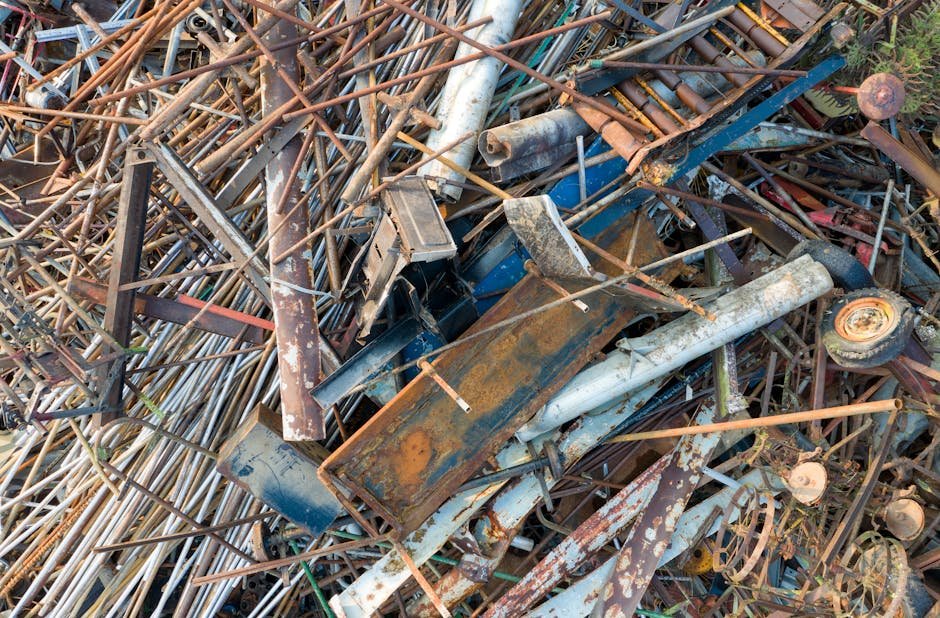

Understanding metal scrap prices near me is the first step toward turning industrial waste or household clutter into a profitable asset. In the Australian market, scrap metal is not just trash; it is a vital commodity that powers our manufacturing and construction sectors. Whether you are a tradesperson with excess copper piping or a homeowner clearing out an old shed, the price you receive per kilogram is determined by a complex interplay of global supply chains, domestic demand, and the specific quality of your metal. For a comprehensive look at the current landscape, refer to our Ultimate Guide to scrap metal prices in Australia. Navigating this industry requires more than just showing up at a yard; it requires an understanding of how market rates are set and how to identify the grades that command the highest premiums.
The Mechanics of Market Rates: How Metal Prices Are Set
The price you see at a local scrap yard is a reflection of the London Metal Exchange (LME) and other global commodity benchmarks. When you search for metal scrap prices near me, you are looking at a localized version of a global financial index. Prices are adjusted based on the current market rate, which fluctuates daily. Factors such as the strength of the Australian dollar (AUD), international manufacturing output in China, and local logistics costs all impact the final payout. For instance, when the AUD is strong, imported metals become cheaper, which can sometimes depress the prices paid for local scrap. Conversely, high demand for recycled aluminium or copper in the construction sector drives up the value per kg. It is essential to understand that scrap yards operate on thin margins, meaning their buying price is always lower than the refined commodity price to account for processing, transportation, and smelting costs. To stay updated on these shifts, many professionals rely on consistent data from Scrap Trade for real-time market tracking.
Understanding Metal Grades and Their Impact on Value
Not all scrap is created equal. The difference between ‘clean’ copper and ‘burnt’ copper can be significant in terms of your take-home pay. Scrap yards categorize metals into specific grades to standardize the recycling process. For example, ‘Bright Shiny’ copper is the highest grade of copper wire, stripped of all insulation and oxidation. If you have mixed metals, you will receive a lower price per kg because the recycler must expend energy and labor to separate them. Ferrous metals, such as steel and iron, are generally lower in value compared to non-ferrous metals like copper, brass, aluminium, and stainless steel. When you visit a professional metal recycler, they will use magnets, chemical tests, and visual inspection to grade your load. By learning to sort your scrap before arrival, you effectively increase the value of your load, as you are selling higher-grade material rather than a mixed-grade bin. This is the single most effective way to ensure you get the Best Scrap Metal Prices Near Me.
The Logistics of Recycling: From Yard to Smelter
The recycling process is a sophisticated supply chain. Once you drop off your materials at a local facility, the metal is weighed, sorted, and often processed on-site. This might involve shearing large steel beams, shredding aluminium cans, or stripping insulation from copper cables. After processing, the scrap is baled or compacted to optimize transport efficiency. These bales are then shipped to domestic or international smelters where the metal is melted down into ingots or billets. These raw materials are then sold back to manufacturers to create new products, closing the circular economy loop. This process is highly energy-efficient compared to mining virgin ore. For example, recycling aluminium uses approximately 95% less energy than producing new aluminium from bauxite. By participating in this system, you are not only earning money but also contributing to a significant reduction in carbon emissions and resource depletion. Understanding this journey helps you appreciate why certain metals, like copper and lead, are consistently in high demand.
Factors Influencing Your Local Payout
Beyond the global market rate, several local factors influence the price per kg you receive. Your proximity to a major port or rail head can influence the price, as logistics costs are a major component of the scrap business. A yard located in a remote regional area may pay less than one in an industrial hub because they have to factor in the cost of transporting the material to a major processing center. Volume is another critical factor. Most scrap yards offer tiered pricing; if you bring in a tonne of copper, you will almost always receive a better price per kg than if you bring in five kilograms. This is because the administrative and handling costs remain similar regardless of volume. Furthermore, the cleanliness of your scrap is paramount. Contaminants like plastic, wood, or dirt in your scrap load can lead to downgrading or even rejection of the entire load. Always aim to deliver clean, sorted materials to maximize your return. Regularly checking Scrap Metal Prices will help you time your sales to coincide with market peaks.
Environmental and Economic Benefits of Metal Recycling
The recycling of scrap metal is a pillar of the modern green economy. Economically, it provides a vital revenue stream for tradespeople and businesses, turning what would be landfill waste into secondary raw materials. Environmentally, the benefits are even more profound. Mining for virgin metal involves destructive extraction processes, massive water usage, and significant habitat disruption. By recycling, we keep these materials in use indefinitely. Modern recycling technology allows us to recover metals with near-perfect purity, meaning there is no loss of quality over time. This ‘infinite recyclability’ makes metals like copper and aluminium the most sustainable materials in the global economy. By choosing to recycle your scrap rather than disposing of it in general waste, you are actively supporting a system that reduces the need for new mining projects and lowers the overall environmental footprint of the construction and manufacturing industries. This is a powerful way to contribute to a sustainable future while also padding your wallet.
Strategies for Maximizing Your Scrap Returns
If you want to get the most out of your scrap, you need a strategy. Start by designating a space on your job site or in your workshop for sorting. Use separate bins for different metals: one for copper, one for brass, one for aluminium, and one for steel. This simple habit prevents cross-contamination and makes your trip to the yard much faster. If you are dealing with large volumes, contact your local yard in advance. Many yards offer local pickup services for large commercial quantities, which can save you significant time and transport costs. However, be aware that the cost of the pickup service might be deducted from your final payout. Always ask for a printed docket that breaks down the weights and grades of the material you sold. This transparency is key to building a long-term relationship with a recycler. Finally, keep an eye on market trends. If you see that copper prices are trending upward, it might be worth holding onto your stock for a few extra weeks, provided you have the storage space. Conversely, if the market is volatile, it is often better to sell regularly to average out your returns.
Future Trends in the Australian Scrap Market
The Australian scrap market is evolving rapidly. We are seeing increased investment in domestic processing facilities, which aims to reduce our reliance on exporting raw scrap to overseas markets. This shift is driven by both government policy and a growing desire for supply chain security. As we move toward a more circular economy, we can expect to see more sophisticated sorting technologies, such as X-ray fluorescence (XRF) scanners, becoming standard in local yards. These tools allow for precise identification of metal alloys, ensuring that you get paid the correct value for even the most complex materials. Additionally, the rise of electric vehicles and renewable energy infrastructure is creating a massive new demand for high-purity copper and aluminium. As a scrap seller, this means the materials you collect today will likely remain highly valuable for years to come. Staying informed through industry resources and maintaining good relationships with your local recyclers will ensure you are well-positioned to benefit from these long-term trends. The industry is professionalizing, and those who treat scrap collection as a serious business will reap the greatest rewards.
Frequently Asked Questions
Why do scrap metal prices change so often?
Scrap metal prices are tied to global commodity markets like the London Metal Exchange. Factors such as currency exchange rates, international supply and demand, and local transport costs cause these prices to fluctuate daily.
How can I get the best price for my scrap metal?
The best way to maximize your return is to sort your metals by grade before arriving at the yard. Clean, separated metals command higher prices than mixed loads because they require less processing.
Is it worth recycling small amounts of scrap metal?
While small amounts may not yield significant cash, recycling them is still environmentally beneficial and keeps waste out of landfills. For the best financial return, it is recommended to accumulate a larger volume before visiting a yard.
What is the difference between ferrous and non-ferrous metals?
Ferrous metals contain iron, such as steel and cast iron, and are generally magnetic and lower in value. Non-ferrous metals, such as copper, aluminium, and brass, are non-magnetic and typically command higher prices per kilogram.