

Understanding the current scrap metal prices aluminium per kg is essential for anyone looking to maximize their returns in the Australian recycling market. Whether you are a trade contractor, a demolition expert, or a household recycler, the value of your aluminium scrap is dictated by global commodity trends, local supply chain logistics, and the specific grade of the metal you are processing. Because aluminium is infinitely recyclable without losing its properties, it remains one of the most sought-after commodities in the circular economy. Navigating the market requires a clear understanding of how these values fluctuate and where to find the most competitive rates. For a broader overview of industry trends, visit our Scrap Metal Prices page to track daily movements across all ferrous and non-ferrous metals.
Understanding Market Dynamics and Price Setting
The global aluminium price is primarily set by the London Metal Exchange (LME), which acts as the benchmark for international metal trading. However, the price you receive at a local yard is not a direct reflection of the LME spot price; it is a derivative that accounts for processing, transport, and refining costs. When you search for scrap metal prices aluminium per kg, you are viewing a retail-level rate that has been adjusted for the “spread”—the margin the recycler needs to cover their operational overheads, including sorting labor, baling machinery, and logistics.
Several factors influence these rates. Firstly, market demand from the automotive and construction sectors is a primary driver. When car manufacturers increase production, demand for secondary aluminium alloys spikes, pushing prices upward. Secondly, energy costs play a massive role. Smelting primary aluminium is energy-intensive, so when electricity prices rise, the value of recycled aluminium (which requires 95% less energy to produce) typically increases as it becomes a more attractive alternative for manufacturers. To find local buyers offering the best rates, consult our guide on Best Scrap Metal Prices Near Me to ensure you are dealing with reputable, high-volume yards.
Grading Your Aluminium: From Cans to Extrusion
Not all aluminium is created equal, and knowing how to sort your material is the fastest way to increase your profit. Recyclers categorize aluminium into specific grades based on alloy composition and contamination levels. Common grades include:
- Aluminium Extrusion (6063): Often found in window frames, door frames, and architectural components. This is typically the highest-value grade because it is clean and highly malleable.
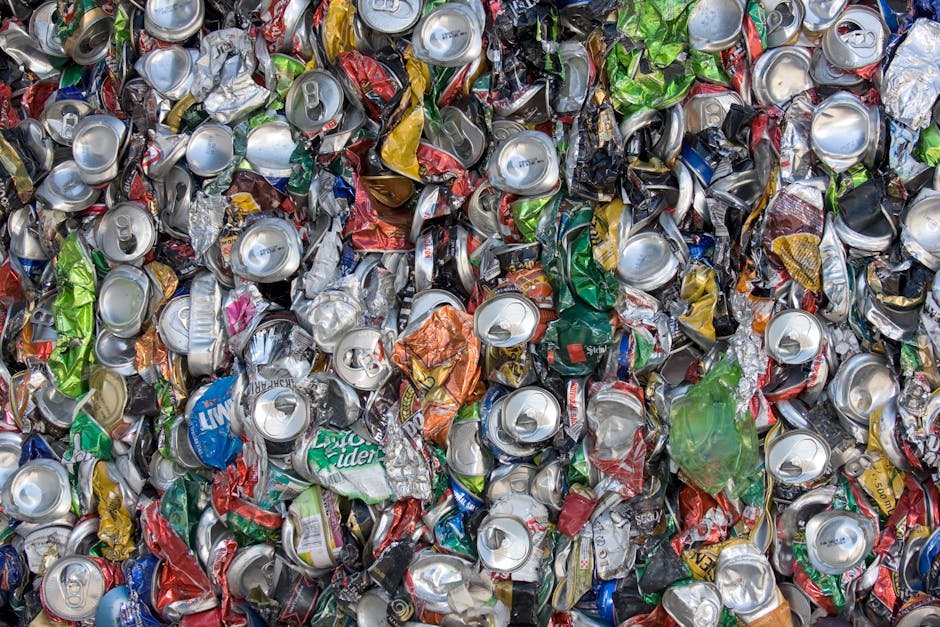
- Aluminium Cans (UBC – Used Beverage Cans): These are highly processed and easy to recycle, though they must be free of liquid and food residue to fetch the best price.
- Cast Aluminium: Found in engine blocks, transmission housings, and lawnmower decks. This grade contains higher levels of silicon, making it harder to process, which usually results in a lower price point compared to clean extrusion.
- Aluminium Wire/Cable: Often contains steel or plastic insulation. Stripping the insulation can significantly boost the value per kg.
- Mixed/Dirty Aluminium: This is the lowest grade, containing attachments like screws, plastic, or paint. Sorting your scrap into these distinct categories before heading to the yard is the most effective way to ensure you receive the top-tier scrap metal prices aluminium per kg.
For those looking for specific local insights, our Scrap Metal Prices Near Me resource provides the tools needed to locate facilities that pay premium rates for sorted, clean material. Always aim for “clean” scrap—material free of iron, plastic, or glass—as impurities force recyclers to charge a lower rate to cover the cost of cleaning or downgrading the batch.
The Recycling Process: From Scrap to New Product
The journey of your aluminium scrap begins at the collection point, where it is weighed and inspected. Once a sufficient volume is accumulated, the material is shredded to remove impurities and then passed through magnetic separators to extract any stray ferrous metals. The shredded aluminium is then melted in large furnaces. During this stage, alloying elements are added to reach the desired specification for new products. The molten metal is cast into ingots, which are then shipped to manufacturers to be rolled into sheets or extruded into new shapes.
This closed-loop system is an environmental triumph. By recycling aluminium, we bypass the need to mine bauxite ore, which is a destructive process involving massive land clearing and chemical waste. Furthermore, the energy savings are staggering. Recycling one tonne of aluminium saves approximately 14,000 kilowatt-hours of electricity and reduces carbon emissions by several tonnes compared to primary production. Industry leaders like Scrap Trade Australia emphasize these environmental benefits, encouraging businesses to adopt sustainable waste management practices that turn scrap into a revenue stream rather than a landfill liability.
Strategic Tips for Maximizing Returns
To consistently secure the best value, you must treat your scrap as a commodity. Start by establishing a relationship with a local yard. Consistent suppliers are often offered better pricing tiers. If you are a commercial operator, consider investing in basic sorting equipment, such as a magnet to check for steel contamination or a simple wire stripper. Removing steel bolts from aluminium window frames can move your scrap from a “mixed” category to “clean extrusion,” potentially increasing your payout by 30-50%.
Timing your sales is another expert strategy. While you cannot predict the LME with 100% accuracy, you can monitor market trends. If you see global aluminium prices trending upward, it may be worth holding onto your inventory for a few extra weeks to capitalize on the shift. Conversely, if you have limited storage space, the cost of holding the material—including potential theft risks or space rental—may outweigh the potential price gains. Always keep a digital record of your sales to track your average return per kg over time, allowing you to identify which grades provide the best ROI for your specific operations. For a deep dive into the technical specifications of these materials, refer to our comprehensive Aluminium Scrap Metal Prices Guide: Values, Grades & Recycling.
Environmental and Economic Impact
The economic impact of the scrap metal industry extends far beyond the individual seller. It supports a massive infrastructure of logistics, engineering, and manufacturing jobs. By participating in the recycling market, you are not just making money; you are contributing to a more resilient Australian economy. Aluminium is a permanent material; it does not degrade during the recycling process. This means the aluminium in a window frame today could have been part of a soda can fifty years ago and could become an aircraft component in the future. This longevity is why the industry is so focused on high-quality sorting. When you provide clean, high-grade scrap, you are helping the industry produce high-quality secondary aluminium that meets the strict requirements of modern engineering. This reduces the reliance on imported raw materials and strengthens domestic supply chains, making the entire manufacturing sector more efficient and sustainable.
Future Trends in Aluminium Recycling
Looking ahead, the industry is moving toward greater automation. Advanced sensor-based sorting technologies, such as X-ray fluorescence (XRF) and laser-induced breakdown spectroscopy (LIBS), are becoming more common in large-scale recycling facilities. These technologies can identify the exact alloy composition of a piece of scrap in milliseconds, allowing for much higher purity levels in the final product. For the individual seller, this means the future will likely favor those who can provide pre-sorted, clean batches. As environmental regulations tighten and carbon taxes become more prevalent, the value of recycled aluminium will only continue to grow. Businesses that prioritize circularity and efficient scrap management will find themselves at a distinct competitive advantage. By staying informed about these technological shifts and maintaining high standards for your scrap, you ensure that you remain a valued partner in the recycling ecosystem, consistently achieving the best possible financial outcomes for your materials.
Frequently Asked Questions
Why does the price of aluminium change so frequently?
Aluminium prices are tied to global commodity markets like the London Metal Exchange. Factors such as energy costs, global supply chain disruptions, and industrial demand for new aluminium products cause these prices to fluctuate daily.
How can I tell if my scrap aluminium is high grade?
High-grade aluminium, such as clean extrusion, is typically bright, silver-colored, and free of paint, plastic, steel screws, or other attachments. If it is heavy, painted, or contains other metals, it is likely a lower grade.
Is it worth stripping insulation from aluminium wire?
Yes, stripping insulation from aluminium wire significantly increases its value. Recyclers pay more for ‘clean’ metal because they do not have to perform the labor-intensive process of removing the plastic or rubber coating themselves.
Does the location of the scrap yard affect the price?
Yes, location impacts pricing due to transport logistics and local competition. Yards closer to major ports or processing hubs may offer better rates, but it is always best to compare quotes from multiple local facilities.