
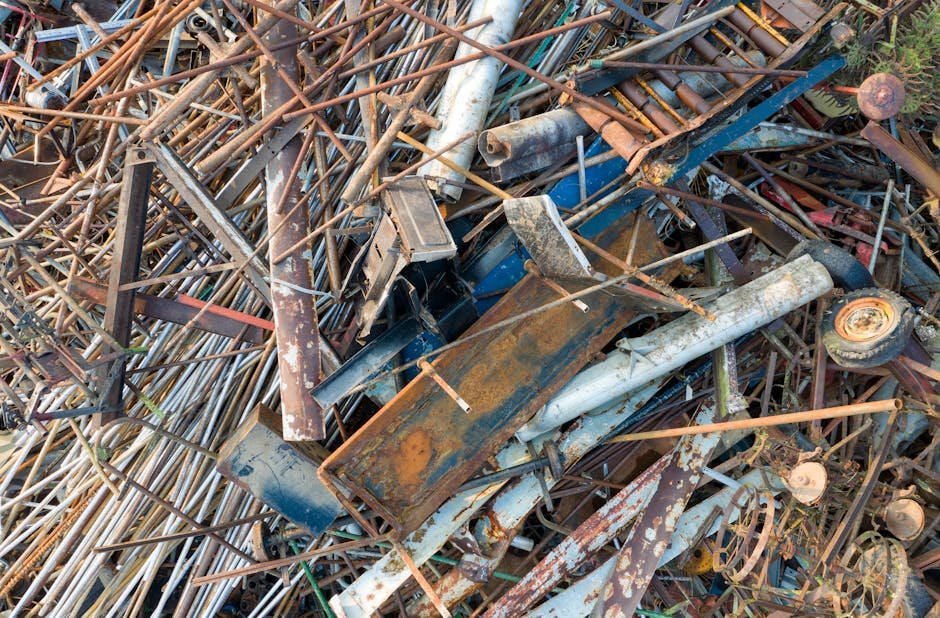

Understanding the current price of scrap metal near me requires a deep dive into the complex mechanics of the global commodities market. In Australia, the scrap industry is a vital component of the circular economy, transforming discarded industrial and domestic materials into high-value raw commodities. When you search for the price of scrap metal near me, you are not just looking for a simple number; you are tapping into a volatile, real-time index influenced by manufacturing demand, international trade policy, and energy costs. For those seeking professional guidance, professional metal recycling services provide the transparency needed to navigate these fluctuations effectively.
How Global Markets Dictate Local Rates
The price of scrap metal near me is fundamentally tied to the London Metal Exchange (LME). As the world’s primary hub for industrial metal trading, the LME sets the benchmark for copper, aluminum, nickel, and steel. When you visit a local scrap yard, the price per kg you receive is a derivative of these global spot prices, adjusted for local logistics and processing costs. If global manufacturing in China or the US surges, demand for raw metal increases, pushing up the market rate for recyclers. Conversely, economic downturns lead to reduced industrial activity, which suppresses scrap value. Understanding this relationship is critical for anyone looking to optimize their returns. You can delve deeper into these dynamics by reading Understanding Scrap Metal Price: A 2026 Market Guide, which outlines the specific macroeconomic indicators that impact your local payout.
The Hierarchy of Metal Grades
Not all metal is created equal, and the price of scrap metal near me depends heavily on the specific grade of material you bring to the scale. Scrap yards classify metals into distinct categories based on purity, chemical composition, and ease of recycling. Copper, for example, is the gold standard of the scrap world. ‘Bright and Shiny’ copper—clean, unalloyed wire—commands the highest price per kg. In contrast, ‘burnt’ or ‘insulated’ copper requires extra processing, which lowers the offer. Aluminum also follows a strict grading system; you can see how this sector is evolving by checking the Aluminum Scrap Price In 2026. Ferrous metals, such as steel and iron, are generally traded in bulk and have lower individual price points compared to non-ferrous metals like copper, brass, and lead. To ensure you are getting the best value, always separate your materials by type before arriving at the yard. Mixing grades often results in the entire load being valued at the lowest common denominator, a mistake that costs amateur collectors thousands annually.
Factors Influencing Your Local Payout
Beyond the global market rate, several practical factors influence the final price you receive at a nearby recycler. Volume is perhaps the most significant. Scrap yards operate on thin margins and high turnover; therefore, large-scale commercial suppliers often negotiate better rates than individuals with a single bag of aluminum cans. Logistics also play a role. If you require a local pickup service for heavy industrial waste, the cost of transport will be deducted from your total payout. Furthermore, the cleanliness of your scrap is paramount. Contaminants like plastic, rubber, or wood attached to metal increase the labor required for processing. If you are dealing with large industrial quantities, companies like Crg Scrap Metal specialize in managing complex waste streams, ensuring that you receive a fair return based on the true weight and grade of your cargo. Always inquire about the yard’s specific pricing structure before unloading your vehicle.
The Recycling Process: From Waste to Resource
The journey from your garage to a new product is a sophisticated industrial process. Once your scrap is weighed and purchased, it is sorted, shredded, and melted down to create new ingots or billets. This process is remarkably energy-efficient. Recycling aluminum, for instance, consumes 95% less energy than producing it from virgin bauxite ore. This energy saving is why the market rate for recycled metal is so resilient. By participating in this system, you are directly contributing to a reduction in mining activity and carbon emissions. Modern recycling facilities utilize advanced technology, including X-ray fluorescence (XRF) analyzers, to identify metal alloys instantly. This precision ensures that the scrap is recycled into the highest possible grade, maintaining the quality of the global metal supply chain.
Maximizing Your Returns: Practical Tips
To maximize the price of scrap metal near me, you must treat scrap collection as a business. Start by building a relationship with a reputable local scrap yard. Consistency matters; yards are more likely to offer competitive rates to regular suppliers who provide clean, well-sorted material. Invest in a basic magnetic test kit to distinguish between ferrous (magnetic) and non-ferrous (non-magnetic) metals. Keep a log of your sales to track how market fluctuations affect your bottom line over time. If you have large quantities, call ahead to ask about current spot prices for specific grades. Avoid peak times at the yard if possible, as staff have more time to inspect and grade your material properly when they are not rushed. Remember that the market is dynamic; a price that holds today might shift by the end of the week, so timing your sales when prices are trending upward is a legitimate strategy for increasing your total profit.
Environmental and Economic Impacts
The scrap metal industry is the backbone of sustainable manufacturing. By keeping metals out of landfills, we prevent the leaching of hazardous substances into local soil and groundwater. Economically, the industry provides thousands of jobs across Australia, from collection and transport to advanced metallurgical processing. When you sell scrap, you are supporting a circular economy that prioritizes resource efficiency. The environmental benefits are clear: reduced mining, lower energy consumption, and decreased landfill reliance. Every kilogram of metal you recycle is a step toward a more sustainable future, proving that profitable scrap trading and environmental stewardship go hand-in-hand.
Strategic Planning for Long-Term Value
Success in the scrap trade requires long-term strategic planning. Rather than selling scrap as soon as you accumulate a small amount, consider storing non-ferrous metals until you have a significant quantity. This reduces the number of trips to the yard and increases your negotiating power. Stay informed by following industry news and monitoring the official scrap metal market updates to anticipate price swings. Understanding the difference between ‘clean’ and ‘dirty’ scrap is the single most important skill you can develop. Clean scrap—free of paint, rust, and attachments—will always command a premium. By maintaining high standards for your materials, you ensure that you are always receiving the maximum potential value for your efforts. As the global demand for sustainable materials continues to rise, the importance of efficient, professional scrap recycling will only grow, making it a reliable and essential sector for the Australian economy for decades to come.
Frequently Asked Questions
How do I find the best price for scrap metal near me?
To find the best price, call multiple local yards and ask for their current rate for the specific grade of metal you have. Always compare these quotes against current market benchmarks and ensure you ask if they offer volume-based pricing.
Why does the price of scrap metal change so often?
Scrap metal prices fluctuate based on global supply and demand, international trade tariffs, and the costs of energy and transportation. Because scrap is a global commodity, local prices must adjust to reflect the current value on the London Metal Exchange.
What is the difference between ferrous and non-ferrous scrap?
Ferrous metals contain iron and are magnetic, such as steel and iron, which are usually lower in value. Non-ferrous metals like copper, aluminum, brass, and lead are non-magnetic and generally command much higher prices due to their scarcity and utility.
Does the cleanliness of my scrap affect the payout?
Yes, significantly. Scrap yards must account for the labor required to remove contaminants like plastic, rubber, or other metals; therefore, clean, sorted material is always valued higher than mixed or ‘dirty’ scrap.