

Determining the accurate price for scrap steel per kg is the primary challenge for both commercial demolition contractors and private homeowners looking to clear their properties. Because steel is a commodity, its value is tied to global industrial output, making the price for scrap steel per kg a dynamic figure that shifts in response to supply chain disruptions, energy costs, and the demand for new steel production. Understanding these fluctuations is essential for anyone aiming to maximize their profit margins when selling ferrous metal. Whether you are dealing with mild steel, structural beams, or light gauge sheet metal, the market rate is rarely static. If you are looking for a deeper dive into the valuation of specific materials, our Scrap Steel Price Per Kg A Complete Guide For Sellers provides the granular data you need to negotiate better rates with your local yard.
How Global Markets Influence Local Steel Prices
The Australian scrap market does not operate in a vacuum; it is a vital node in the global circular economy. When you check metal prices today, you are essentially looking at a snapshot of international trade. Steel mills in Asia, particularly in China, dictate the demand for Australian iron ore and recycled steel scrap. When these mills ramp up production, the demand for scrap steel rises, pushing the price per tonne upward. Conversely, when global construction activity slows, the demand for recycled feedstock decreases, leading to a surplus that suppresses the price for scrap steel per kg. Furthermore, domestic factors like the AUD/USD exchange rate play a massive role. Since most international steel contracts are denominated in US dollars, a stronger Australian dollar can lower the local price, while a weaker dollar can make our exports more attractive, potentially increasing the money you receive at the weighbridge.
Logistics and transport are the hidden variables in the pricing equation. Because steel is heavy and bulky, the cost to move it from a regional collection point to a major port or processing facility is significant. If you are located far from a major city, you will often find that the price offered to you is lower because the yard must factor in the freight costs. This is why many professional scrap metal dealers, such as those found at professional scrap metal services in Australia, recommend consolidating your loads before scheduling a pickup. By minimizing the number of trips or maximizing the weight per load, you reduce the logistical overhead, which often allows the buyer to offer a more competitive rate.
Understanding Steel Grades and Their Impact on Value
Not all steel is created equal. In the recycling industry, steel is classified as a ferrous metal, but the specific grade determines its market value. The highest value is typically assigned to heavy melting steel (HMS), which consists of thick, clean, and uncoated structural components. Because this material is easier to melt down and reintroduce into the production cycle, mills pay a premium for it. If you have questions about how different alloys compare, you might want to look at our Stainless Steel Scrap Price page, which explains why certain alloys command a higher price than standard mild steel.
Light iron or “white goods” scrap, such as old washing machines, fridges (with compressors removed), and thin sheet metal, usually fetches the lowest price per kg. This is because this material has a high surface-area-to-mass ratio, meaning it oxidizes quickly and takes up more space in a furnace, which increases energy consumption during the melting process. To get the best price, you must separate your metals. Mixing your high-value heavy steel with low-value light iron will result in the entire load being graded at the lower price point. Always consult the Steel Scrap Price: Current Market Trends & Recycling Guide to ensure your load is properly sorted before arrival.
The Mechanics of Steel Recycling: From Yard to Mill
The recycling process is a sophisticated industrial operation designed to turn waste into a high-quality resource. Once you deliver your scrap to a yard, it is weighed on a certified scale. The material is then processed through a series of steps: shredding, magnetic separation, and densification. Shredding breaks down large items into smaller, uniform pieces, which makes it easier to remove contaminants like plastic, rubber, or non-ferrous metals such as copper or aluminum. For those interested in how other metals perform, our recent report on Aluminum Scrap Price In 2026 provides a long-term outlook on the non-ferrous market.
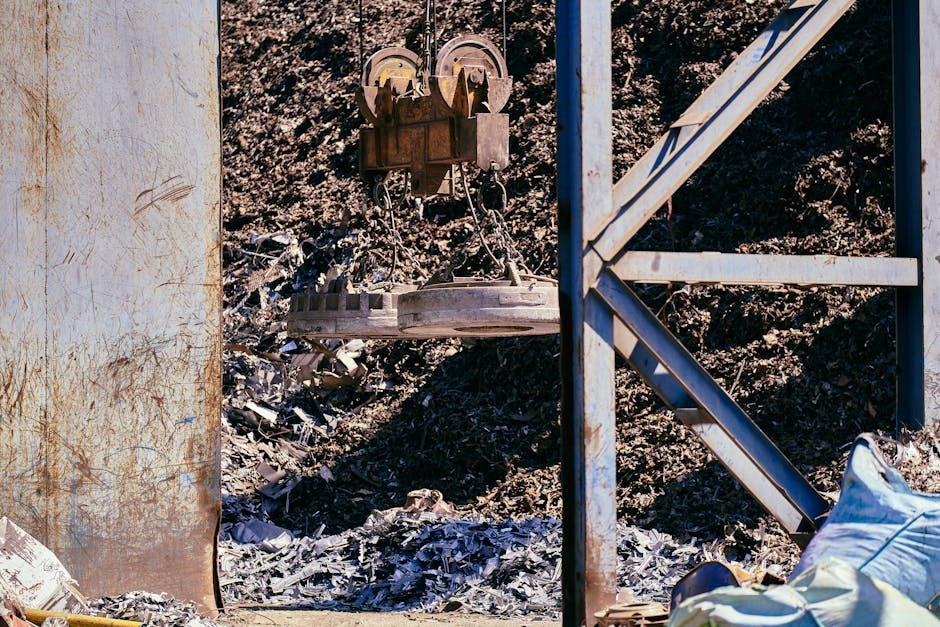
Magnetic separation is the most critical step for ferrous recycling. Powerful electromagnetic belts pull the steel out of the waste stream, leaving behind other materials. Once separated, the steel is often compressed into large, dense cubes called bales. These bales are easy to transport and load into electric arc furnaces. In these furnaces, the steel is melted at temperatures exceeding 1,500 degrees Celsius. The resulting molten metal is then cast into billets or slabs, which are rolled into new products, such as rebar for construction or new vehicle frames. This process consumes up to 75% less energy than producing steel from virgin iron ore, highlighting the immense environmental value of your scrap.
Environmental Benefits and the Future of Circular Steel
Recycling steel is one of the most effective ways to reduce industrial carbon emissions. Every tonne of recycled steel prevents the mining and processing of approximately 1.5 tonnes of iron ore, 0.5 tonnes of coal, and 40kg of limestone. By choosing to recycle your scrap rather than sending it to a landfill, you are directly contributing to the reduction of greenhouse gases. The steel industry is currently undergoing a green transition, with many mills moving toward hydrogen-based reduction processes. This shift will only increase the demand for high-quality, clean scrap steel in the coming decade.
As we look toward the future, the integration of digital tracking and better sorting technology will likely lead to more transparent pricing. For sellers, this means that the gap between what a mill pays and what a collector pays will continue to tighten. Staying informed about these shifts is your best defense against market volatility. If you are serious about the industry, we invite you to explore more resources at our primary hub for metal trading to stay updated on the latest industry shifts and price movements.
Practical Tips for Maximizing Your Scrap Returns
To maximize your return, preparation is key. First, ensure your steel is free of contaminants. Non-metallic attachments, such as wood, concrete, or excessive grease, will lead to deductions in your final payment. Second, sort your steel by thickness and size. Heavy structural steel should be kept separate from light gauge scrap. Third, keep an eye on the market. If you have a large volume of steel, wait for a period where the market rate is trending upward. While you cannot predict every fluctuation, a general understanding of the market cycle will prevent you from selling at the absolute bottom of a price dip. Finally, build a relationship with a reputable local yard. Yards that trust you to provide clean, sorted material are often willing to offer a slightly higher price per kg than they would to a one-time seller.
Remember that safety is paramount. When handling scrap steel, always wear heavy-duty gloves, steel-toed boots, and eye protection. Sharp edges and heavy, unstable loads are the primary causes of injury in the scrap industry. If you are dealing with large quantities, consider renting a skip bin or using a specialized transport service to ensure the material is moved safely. By following these professional practices, you transform a chore into a profitable enterprise, ensuring that your scrap metal contributes to both your bottom line and a more sustainable Australian economy.
Frequently Asked Questions
What is the primary factor that causes the price for scrap steel per kg to change?
The primary driver is global demand from steel mills, which is heavily influenced by construction activity and manufacturing output in major economies like China. Secondary factors include local transport costs and the current exchange rate of the Australian dollar.
Does the grade of steel affect the price I receive?
Yes, significantly. Heavy, clean structural steel (HMS) commands a much higher price than light sheet metal or ‘white goods’ because it is more efficient to melt and recycle.
How can I ensure I am getting a fair price for my scrap?
Sort your materials by grade, remove non-metallic contaminants like plastic or concrete, and obtain quotes from multiple reputable scrap yards. Building a relationship with a yard that values clean, well-sorted loads can also lead to better pricing.
Why is it important to keep steel out of landfill?
Recycling steel saves vast amounts of energy and natural resources compared to producing steel from virgin iron ore. It also prevents heavy metals from leaching into the environment and reduces the overall carbon footprint of the construction and manufacturing industries.