
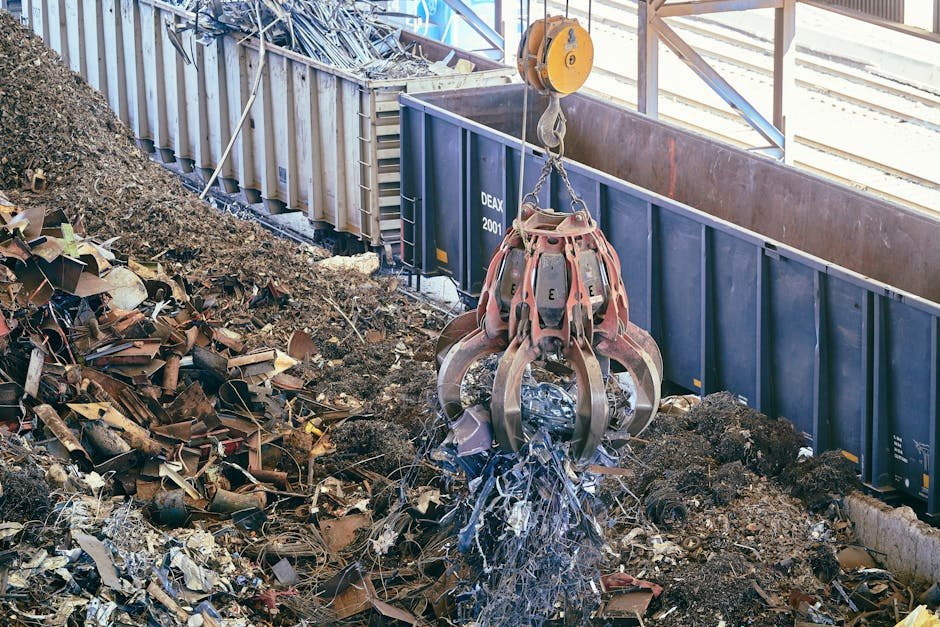

When searching for recycling metal near me, you are taking the first step toward environmental sustainability and personal financial gain. Whether you are a tradesperson cleaning out a job site or a homeowner decluttering, understanding the nuances of the Australian scrap industry is vital. For those looking to optimize their workflow, Metal Recycling Near Me services provide the infrastructure necessary to turn waste into a revenue stream. This guide serves as A Comprehensive Guide to Metal Recycling in Australia, ensuring you get the most out of every kilogram.
Understanding the Scrap Metal Market in Australia
The Australian scrap market is driven by global commodity prices, but local dynamics play a significant role in what you are paid. Non-ferrous metals—such as copper, aluminum, and brass—consistently command higher prices than ferrous metals like steel or iron due to their infinite recyclability and lower energy requirements for processing. When you look for a local scrap yard, you are entering a market where transparency is key. Industry leaders often utilize Core Metal Recycling practices to ensure high-grade materials are refined efficiently. By understanding the difference between clean copper and burnt wire, or high-grade aluminum versus cast, you can significantly increase your payout. Always aim to separate your metals before arriving at the facility, as mixed loads are often downgraded to the lowest common denominator price.
How to Find the Best Recycler in Your Area
Finding a reliable nearby recycler requires more than just a quick map search. You need a partner that offers certified weighing scales, transparent pricing, and efficient processing. Look for yards that are members of industry associations, as these facilities are more likely to adhere to strict environmental and ethical standards. Many professionals rely on professional scrap metal trading services to manage large volumes of industrial waste. If you have significant quantities, inquire about local pickup services. Many yards will provide bins or skip services for commercial clients, streamlining the logistics of your operation. When searching for Scrap Metal Recycling Near Me, prioritize facilities that provide digital receipts and clear documentation of your scrap weights. This is essential for tax purposes and business record-keeping.
Maximizing Your Returns: Preparation and Sorting
The secret to high payouts in the scrap industry is preparation. A yard operator is far more likely to offer a premium rate for a load that is clean, sorted, and free of contaminants. Contamination, such as plastic insulation on copper wire or steel bolts attached to aluminum, reduces the value of the material because it requires extra labor to remove. Invest in basic tools like a magnet to distinguish between ferrous (magnetic) and non-ferrous (non-magnetic) metals. Strip your copper cables if you have the time, as bright, clean copper always fetches the highest market price. Furthermore, keep your metals dry and free of debris. Rust and dirt add unnecessary weight that you aren’t paid for and can lead to lower-grade classification. By treating your scrap as a refined product, you position yourself as a preferred supplier to the yard, which can lead to better long-term relationships and potentially better pricing tiers.
The Environmental and Economic Impact
Recycling metal is one of the most effective ways to reduce carbon emissions and preserve finite natural resources. Every tonne of recycled aluminum saves approximately 95% of the energy required to produce it from raw bauxite ore. Beyond the environmental benefits, the industry is a cornerstone of the Australian circular economy, providing thousands of jobs and supporting manufacturing sectors. When you engage in recycling metal near me, you are participating in a global supply chain that transforms discarded items into the raw materials for new infrastructure, automotive parts, and consumer goods. This process reduces the need for destructive mining and keeps hazardous materials out of landfills, protecting local ecosystems.
Navigating Regulations and Safety Standards
Operating within the scrap metal industry requires adherence to both state and federal regulations. In Australia, scrap yards are subject to strict environmental laws to prevent soil and groundwater contamination from chemicals or hazardous waste. As a seller, you also have responsibilities. Ensure that the items you are recycling are not stolen or prohibited. Reputable yards will require identification and may record vehicle registration details to prevent the trade of stolen goods. Safety is paramount; wear appropriate personal protective equipment (PPE) like heavy-duty gloves and steel-capped boots when handling scrap. Metal can be sharp, heavy, and unpredictable. Always follow the instructions provided by yard staff and be aware of heavy machinery movement within the facility. By prioritizing safety and compliance, you protect yourself and the industry’s reputation.
Future Trends in Metal Recycling
The industry is currently undergoing a digital transformation. From AI-driven sorting technologies that can identify metal alloys in milliseconds to blockchain-based tracking of recycled materials, the future of scrap is high-tech. We are seeing a shift toward more transparent pricing models, where sellers can track daily market fluctuations in real-time. As the demand for electric vehicles and renewable energy infrastructure grows, the need for recycled copper, lithium, and rare earth metals will skyrocket. Those who position themselves as reliable, high-volume suppliers today will be at the forefront of this green industrial revolution. Stay informed by following market reports and maintaining relationships with your local yard managers who can provide insights into upcoming price trends and demand shifts.
Conclusion: Taking Action
Successfully recycling metal is a skill that blends logistics, market awareness, and physical effort. Whether you are managing industrial waste or clearing out a garage, the principles remain the same: sort, clean, and choose your partner wisely. By utilizing professional resources and understanding the value of your materials, you ensure that your efforts are rewarded fairly. Start by assessing your current scrap inventory and identifying the most valuable items. Reach out to local facilities, ask about their current buy-back rates, and establish a routine that makes recycling a profitable habit. The infrastructure for a sustainable future is ready and waiting; it is up to you to leverage it effectively.
Frequently Asked Questions
What is the most valuable metal to recycle?
Copper is generally the most valuable metal to recycle due to its high demand in electrical and plumbing industries. Other high-value metals include brass, stainless steel, and aluminum.
Do I need to strip copper wire before taking it to a scrap yard?
While you don’t strictly have to, stripping copper wire significantly increases its value. Clean, bright copper fetches a much higher price than insulated wire because the yard doesn’t have to remove the plastic coating.
How do I know if my metal is ferrous or non-ferrous?
The easiest way is to use a magnet. If the magnet sticks to the metal, it is ferrous (iron or steel); if it does not stick, it is non-ferrous, such as copper, aluminum, or brass.
Are there items that scrap yards will not accept?
Yes, most yards will not accept hazardous materials, sealed containers like gas cylinders (unless certified empty), radioactive materials, or items that appear to be stolen. Always call ahead if you are unsure about a specific item.