
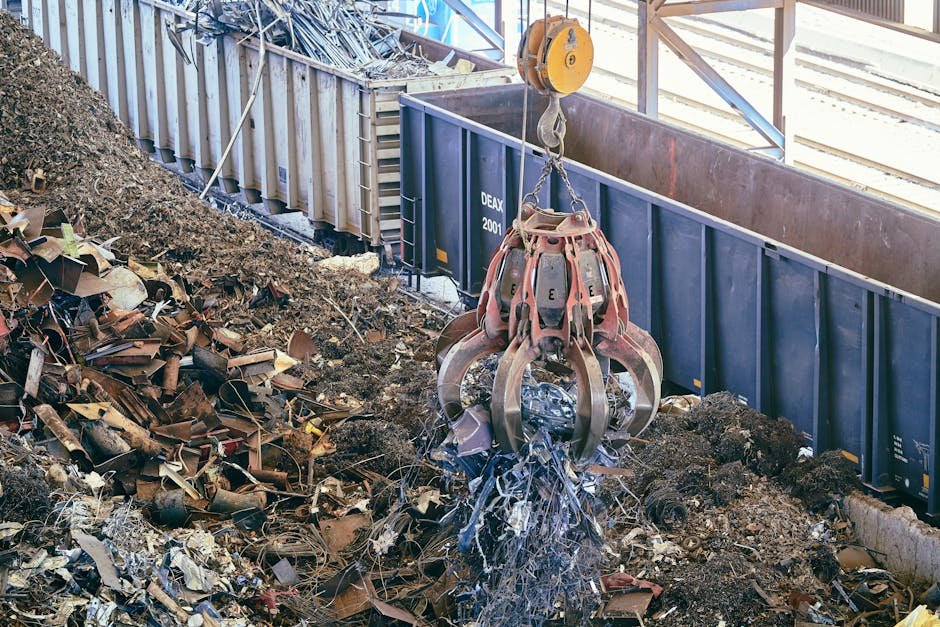

Understanding the current scrap metal price per kg is the foundation of profitable recycling for both industrial contractors and individual collectors. In the Australian market, pricing is not static; it is a dynamic reflection of global industrial health, currency fluctuations, and local smelting capacity. When you evaluate the value of your materials, you are essentially participating in a global commodities market that shifts by the hour. Whether you are dealing with high-volume copper cabling or mixed steel, knowing the market rate is essential to ensuring you receive fair compensation for your recycling efforts.
How Global Markets Determine Scrap Metal Prices
The pricing architecture for scrap metal is complex, relying heavily on the London Metal Exchange (LME). When you search for Scrap Metal Prices, you are looking at a derivative of the LME’s daily settlement prices. These benchmarks set the baseline for raw material costs worldwide. However, the price you receive at a local yard is a ‘net’ price, which subtracts logistics, processing, and refining costs from the LME benchmark.
Currency exchange rates play a massive role in Australia. Because most metal trading occurs in USD, a strong Australian Dollar (AUD) can sometimes suppress local prices, while a weaker AUD increases the value of exported scrap. Furthermore, the demand from manufacturing hubs in Asia—specifically China and Southeast Asia—dictates the volume of export-grade scrap leaving Australian ports. If demand for raw copper or iron ore spikes in these regions, local yards will raise their buy prices to secure inventory. Understanding this cycle is part of Understanding Scrap Metal Price: A 2026 Market Guide, which highlights how inventory turnover impacts your bottom line.
Factors That Influence Your Payout
The scrap metal price per kg you see advertised is rarely the price you get for every single item in your bin. Several variables determine the final offer:
- Purity and Grade: Contamination is the enemy of value. A copper pipe with plastic insulation attached is classified as ‘dirty’ copper, which fetches a lower price than ‘bright and shiny’ bare copper wire.
- Volume and Weight: Yards offer tiered pricing. A commercial client delivering five tonnes of sorted aluminum will receive a higher rate than a hobbyist delivering five kilograms.
- Processing Costs: If the yard has to spend time stripping cables, cutting oversized steel, or removing non-metallic attachments, those labor costs are deducted from the payout.
- Logistics: Proximity to major transport hubs and shipping ports reduces the cost of getting scrap to the end-user or smelter, which can lead to better local pricing.
For those looking to maximize returns, sorting your metal before arrival is the most effective strategy. Separating ferrous (iron-based) from non-ferrous (copper, aluminum, brass) metals prevents the entire load from being downgraded to the lowest common denominator price. For example, if you mix brass fittings into a load of copper, the yard may grade the entire batch as ‘mixed’ metal, significantly reducing the total payout.
The Hierarchy of Metal Grades
To navigate the market, you must understand how recyclers classify material. Non-ferrous metals are the high-value category. Copper, for instance, is graded by its cleanliness. ‘Number 1 Copper’ is bare, unalloyed wire or pipe, free of solder and paint. ‘Number 2 Copper’ may contain minor impurities like solder or light oxidation. Understanding these grades is critical when researching the Aluminum Scrap Price In 2026, as alloy composition significantly shifts the value of aluminum.
Ferrous metals, such as steel and iron, are typically traded in bulk. ‘Heavy Melting Steel’ (HMS) is the industry standard for structural steel, beams, and thick plate. ‘Light Gauge’ or ‘Sheet’ steel, such as car bodies or white goods, commands a lower price because it requires more energy to melt and has a higher oxidation rate. For businesses dealing with industrial demolition, partnering with a specialist like Crg Scrap Metal ensures that complex material streams are correctly identified and graded for maximum recovery value.
The Mechanics of Metal Recycling
Recycling is an industrial process that transforms scrap into high-quality secondary raw materials. Once a yard collects your scrap, it is weighed and inspected. The material is then shredded to increase surface area and facilitate the separation of different metals. Magnetic separators are used to pull ferrous metals from the mix, while eddy current separators are used to eject non-ferrous metals like aluminum and copper from the remaining stream.
Once separated, the metals are baled or compacted for transport to smelters. Smelting is the final stage where the scrap is melted down into ingots or billets, which are then sold back into the manufacturing sector to create new products. This ‘closed-loop’ system is the backbone of the circular economy. By choosing a reputable recycler, such as those listed at Scraptrade.com.au, you ensure that your materials enter a certified supply chain that prioritizes efficiency and environmental compliance.
Environmental and Economic Benefits
Recycling metal is not just about the scrap metal price per kg; it is a vital environmental imperative. Mining for virgin ore is an energy-intensive process that causes significant habitat destruction and carbon emissions. Recycling aluminum, for example, uses 95% less energy than producing new aluminum from bauxite ore. By recycling, we reduce the need for open-cut mining and decrease the amount of waste sent to landfills.
From an economic perspective, the scrap industry is a massive job creator, supporting thousands of roles in logistics, processing, and engineering across Australia. It provides a reliable source of raw materials for domestic manufacturers, reducing reliance on expensive and volatile international supply chains. When you recycle, you are directly contributing to the stability of the Australian manufacturing sector and the health of the local environment.
Strategic Tips for Sellers
To consistently secure the best market rate, you must treat your scrap as an asset. First, store your metal in a dry, covered area. Corrosion, particularly on copper and brass, lowers the grade and the payout. Second, keep your metals segregated. Sorting your brass, copper, and aluminum into separate bins before you reach the yard saves you time and ensures you are paid the top-tier price for each specific metal type.
Third, monitor the market trends. If you have a large volume of scrap, do not feel pressured to sell during a market dip. If the metal prices today are trending downward due to temporary global instability, and your storage space allows, it may be worth holding your material for a few weeks until the market corrects. Finally, build a relationship with your local yard manager. Yards value consistent, clean, and well-sorted deliveries, and they are often willing to offer better rates to reliable, repeat suppliers who make their processing job easier.
Future Trends in the Scrap Market
Looking toward the future, the scrap market is becoming increasingly digitized. We are seeing the rise of real-time pricing apps and digital inventory management systems that allow sellers to track their scrap value with unprecedented accuracy. Furthermore, as global regulations tighten around carbon footprints, the demand for recycled ‘green’ steel and aluminum is set to skyrocket. This shift will likely place a premium on high-quality scrap that can be easily processed into low-carbon industrial inputs.
For those involved in construction or manufacturing, the ability to trace the origin of scrap will become a competitive advantage. Companies that can provide documentation of their recycling efforts will be better positioned to meet ESG (Environmental, Social, and Governance) targets. Staying informed about these trends is not just about current profit; it is about positioning your operations for long-term success in an increasingly sustainable economy.
Conclusion: Taking Control of Your Scrap
Navigating the scrap metal industry requires a blend of market awareness, proper sorting techniques, and strong relationships with reputable recyclers. By understanding how the scrap metal price per kg is derived, you can move from being a passive seller to an active participant in the circular economy. Remember that every kilogram of metal you recycle prevents unnecessary mining, saves energy, and supports the Australian economy. Keep your material clean, stay informed on market fluctuations, and leverage professional resources to ensure you are always getting the best possible value for your scrap metal assets.
Frequently Asked Questions
Why does the scrap metal price per kg change so frequently?
Prices change daily because they are tied to global commodity exchanges like the London Metal Exchange. Factors such as international demand, currency exchange rates, and local supply chain costs cause these constant shifts.
How can I get the highest price for my scrap metal?
The best way to maximize your return is to thoroughly sort your metals by type and ensure they are clean. Removing contaminants like plastic, rubber, or steel attachments from your non-ferrous metals will significantly improve your grade and payout.
Is there a difference in price between ferrous and non-ferrous metals?
Yes, non-ferrous metals like copper, aluminum, and brass are significantly more valuable than ferrous metals like steel and iron. This is due to their higher demand in manufacturing and the lower energy requirements to recycle them.
Does the weight of my scrap affect the price I am offered?
Yes, many scrap yards offer tiered pricing based on volume. Delivering larger, sorted quantities of metal often allows the recycler to offer a higher price per kilogram compared to small, mixed, or unsorted loads.