
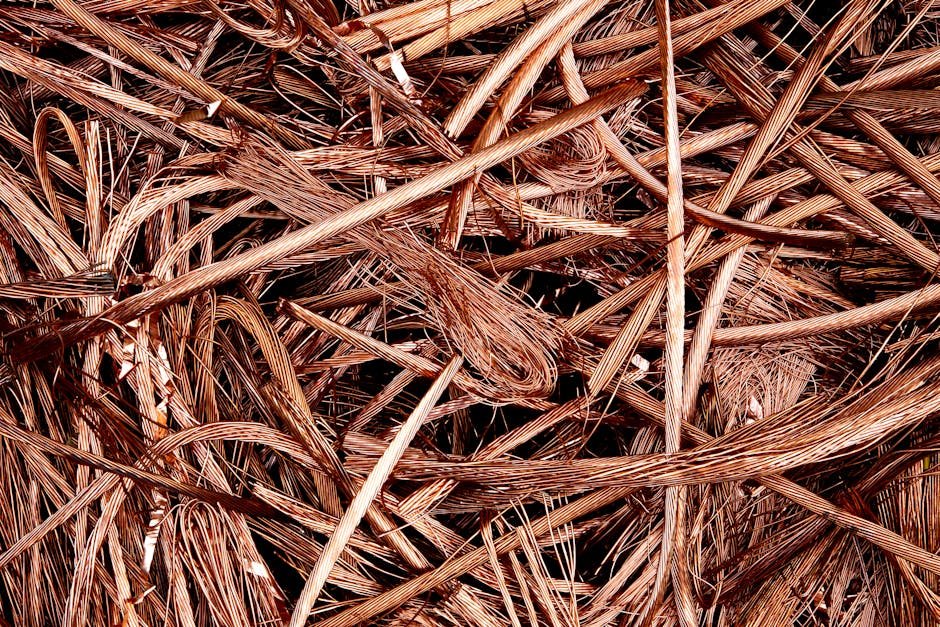

Understanding the market for copper scrap for sale is essential for contractors, electricians, and industrial facility managers looking to maximize their return on investment. Copper remains the backbone of the Australian electrical and plumbing industries, and its infinite recyclability ensures that every kilogram of scrap holds significant monetary value. Whether you are managing a large-scale demolition project or clearing out a workshop, knowing how to identify, sort, and process your metal is the difference between a minor payout and a significant revenue stream. At Scrap Trade, we emphasize that consistent sorting is the primary driver of profit in this industry.
Understanding Copper Grades and Market Value
The Australian scrap metal market operates on a strict grading system that dictates the copper price per kg. If you are preparing copper scrap for sale, you must understand these classifications to avoid receiving a lower-grade payout for high-grade material. The industry standard revolves around purity and the presence of contaminants like solder, insulation, or paint.
- Bare Bright Copper: This is the gold standard of scrap. It consists of unalloyed, uncoated, and unplated copper wire, typically 16 gauge or thicker, stripped of all insulation. It must be free of oxidation and debris.
- Number 1 Copper: This grade includes clean, unalloyed copper pipe or wire that is free of fittings, insulation, or solder. It may have slight oxidation but must remain free of any other metal attachments.
- Number 2 Copper: This grade is more forgiving but pays less. It includes copper that has been soldered, painted, or has minor impurities. Many plumbers find that their copper pipe offcuts fall into this category due to solder joints.
- Insulated Copper Wire: This is graded based on the percentage of copper recovery. High-voltage cables provide a higher yield than thin data cables.
When you are looking for Scrap Copper, always ensure your material is clean. Even a small amount of brass fittings or plastic insulation can downgrade a load from Bare Bright to Number 2, drastically reducing your profit margin. For those managing complex sites, the Copper Scrap Group provides ongoing updates on how specific site conditions impact the final grading process.
The Economics of Copper Recycling in Australia
The global demand for copper is surging due to the transition toward renewable energy and the electrification of transport. This demand directly impacts the Scrap Copper Prices Near Me search results, as local scrap yards adjust their buy prices based on the London Metal Exchange (LME) and local supply chain logistics. Recycling copper is not just an environmental choice; it is a financial imperative. Primary copper production—mining and refining virgin ore—is an energy-intensive process that involves massive environmental disruption. In contrast, recycling existing copper consumes up to 85% less energy. As an industry leader, Scrap Trade Australia facilitates the bridge between industrial suppliers and secondary smelters, ensuring that high-quality material stays in the loop. If you want to dive deeper into the logistical side of this, check out our comprehensive resource: Copper Scrap Sale: The Ultimate Guide to Recycling and Profit.
Practical Tips for Maximizing Scrap Revenue
To maximize the value of your copper scrap for sale, you must adopt a disciplined approach to site management. Start by implementing a color-coded bin system on your job site. Segregate your copper wire from your copper pipe immediately upon removal. This prevents cross-contamination, which is the leading cause of value loss in the recycling chain. Use a dedicated area for stripping cable; while manual stripping is labor-intensive, the price difference between insulated wire and bare bright copper often justifies the effort. Invest in a high-quality wire stripping machine if you handle large volumes of cabling regularly. Furthermore, keep your copper dry. Moisture and corrosion can lead to surface oxidation, which may cause a yard to downgrade your material. Always verify the current market trends before offloading large quantities, as the copper price per kg fluctuates daily based on currency exchange rates and global industrial output.
Environmental and Industrial Benefits
The environmental impact of recycling copper is profound. By diverting copper from landfills, we reduce the demand for new mining operations, which are notorious for habitat destruction and water contamination. In Australia, the recycling industry supports thousands of jobs and contributes significantly to the national economy. When you sell your copper, you are participating in a closed-loop system where the material is melted down, refined, and cast into new products, such as electrical conduits, plumbing fittings, and renewable energy components. This circularity is vital for Australia’s commitment to carbon reduction targets. Furthermore, copper is one of the few materials that can be recycled indefinitely without losing its physical or chemical properties. This makes it an incredibly sustainable asset for any business involved in construction, telecommunications, or heavy manufacturing.
Navigating the Supply Chain
The journey from a construction site to a smelter involves several key players. First, the scrap generator (the contractor or business) collects and sorts the material. Next, the scrap yard or metal dealer purchases the material, performs further cleaning and processing, and bundles it into high-density bales. These bales are then sold to refineries, where the copper is melted and purified back into cathode form. Understanding this chain helps you realize why sorting is so important; the cleaner your material is when it arrives at the yard, the less processing the dealer has to do, which allows them to offer you a better price. If you are dealing with industrial-scale quantities, it is often beneficial to establish a long-term relationship with a reputable recycling partner who can provide specialized collection services and consistent pricing structures.
Safety and Compliance in Scrap Handling
Safety is paramount when dealing with copper scrap for sale. Copper pipe can be sharp, and heavy bundles of wire can cause injury if not handled correctly. Always wear appropriate personal protective equipment (PPE), including heavy-duty gloves and steel-capped boots. Furthermore, be aware of legal requirements regarding scrap metal sales. In many Australian states, legislation has been introduced to prevent the trade of stolen metal. You will likely be required to provide valid photo identification and potentially proof of ownership for large quantities of copper. Maintaining accurate records of your scrap sales is not only a legal requirement in some jurisdictions but also a sound business practice for tracking your revenue and tax obligations. By operating transparently and professionally, you build credibility with your local scrap dealers, which can lead to better service and more favorable pricing terms over time.
Future Trends in the Copper Market
The future of the copper market is inextricably linked to the global energy transition. As electric vehicle (EV) production ramps up and the demand for smart grid infrastructure grows, the need for high-purity copper will continue to outstrip supply. This structural deficit is expected to keep prices elevated in the long term. For those in the scrap industry, this means that the value of your recovered material is likely to remain high. Technological advancements in automated sorting—such as X-ray fluorescence (XRF) and sensor-based sorting—are making it easier for recycling facilities to identify and separate different alloys, which will further improve the efficiency of the recycling process. Staying informed about these technological shifts will give you a competitive edge in managing your waste streams. Whether you are a small business or a large industrial firm, treating your scrap as a valuable commodity rather than waste will yield significant dividends in the coming decade.
Conclusion: Turning Waste into Wealth
The market for copper scrap for sale is a dynamic and rewarding sector for those who understand the nuances of grading and market timing. By moving beyond the “pile it all together” mentality and adopting a systematic approach to sorting and processing, you can significantly boost your bottom line. Remember that the value of your scrap is determined by its purity, its cleanliness, and the current state of the global market. Utilize the resources available through professional networks and stay updated on local pricing to ensure you are getting the best possible deal. By committing to professional recycling practices, you are not only securing your financial interests but also contributing to a more sustainable and resource-efficient future for Australia. Start by auditing your current scrap management processes today and see how much value you have been leaving on the floor.
Frequently Asked Questions
What is the most valuable grade of copper scrap?
Bare Bright copper is the most valuable grade. It consists of clean, uncoated, and unalloyed copper wire that is free of any oxidation or insulation.
How does solder affect the value of copper pipe?
Solder contains lead or tin, which are considered contaminants in the copper recycling process. Copper pipe with solder joints is typically downgraded to Number 2 copper, which fetches a lower price than clean Number 1 copper.
Why do scrap metal yards require identification when I sell copper?
Most Australian states have enacted laws requiring scrap dealers to record the identity of sellers. This measure is designed to deter the sale of stolen metal and ensure the traceability of scrap materials.
Does the copper price per kg change daily?
Yes, the price of copper is tied to global commodity markets like the London Metal Exchange. Local scrap yards adjust their buy prices daily or weekly to reflect these global fluctuations and local supply chain costs.