

Understanding the current scrap steel price is essential for anyone involved in the Australian industrial sector, from demolition contractors to individual tradespeople. Because steel is the backbone of modern infrastructure, its market value is a bellwether for the broader economy. When you look at the current scrap steel price, you are essentially looking at the intersection of global commodity trading and local logistical efficiency. In Australia, the market for ferrous metal is highly sophisticated, requiring sellers to understand both the technical grading of their material and the timing of their sales to capture the best price per kg. For those looking for a deep dive into the mechanics of selling, our Scrap Steel Price Per Kg A Complete Guide For Sellers provides the foundational knowledge needed to navigate the yard. Whether you are dealing with high-volume structural beams or small-scale mild steel offcuts, the market rate is never static. Staying informed via resources like our Current Price of Scrap Steel: Live Market Value Guide 2024 ensures you aren’t leaving money on the table when you arrive at the weighbridge.
Global Drivers of the Current Scrap Steel Price
The current scrap steel price is not determined by a single entity; it is the result of a complex global ecosystem. At the top of the hierarchy is the price of iron ore, the raw material from which virgin steel is produced. When iron ore prices rise, steel mills are incentivized to increase the proportion of recycled scrap in their furnaces to lower costs and reduce carbon intensity. This shift in demand drives up the price for scrap collectors. Furthermore, the Australian market is heavily influenced by the export demand from Asia, particularly China, South Korea, and Vietnam. These nations require massive quantities of ferrous metal to fuel their construction and automotive manufacturing sectors. When shipping lanes are congested or freight costs spike, the local price per kg often dips because the cost of moving the steel to the port becomes prohibitive. Additionally, domestic energy costs play a significant role. Steel recycling is an energy-intensive process; when electricity or natural gas prices rise in Australia, the margins for recyclers tighten, which is often passed down to the supplier in the form of lower buying prices. Understanding these macro-factors allows savvy sellers to predict market dips and peaks rather than reacting blindly to daily fluctuations.
Understanding Steel Grades and Their Impact on Value
Not all steel is created equal, and the grade of your material is the single biggest factor in determining your payout. Ferrous metal is categorized based on its chemical composition, density, and level of contamination. Mild steel, the most common form of carbon steel, is widely used in construction and is generally the baseline for pricing. However, items like heavy melting steel (HMS) carry a premium because they are easier for mills to process. When you bring material to a yard, the grader is looking for ‘clean’ steel—meaning it is free from non-ferrous attachments like copper wiring, plastic, or concrete. Contamination is the enemy of value. For instance, a load of structural steel covered in heavy rust or bolted with non-ferrous components will be downgraded to ‘light iron’ or ‘shred,’ fetching a significantly lower price per kg than clean, prepared steel. If you are handling higher-value alloys, it is crucial to distinguish them from standard steel. For those managing more specialized materials, it is worth checking the Stainless Steel Scrap Price, as these alloys contain nickel and chromium, which command vastly different market rates compared to standard carbon steel. Similarly, while steel is the focus here, diversifying your knowledge into other metals—such as reviewing the Aluminum Scrap Price In 2026—can help you optimize your entire scrap collection strategy.
The Logistics of Recycling: From Yard to Furnace
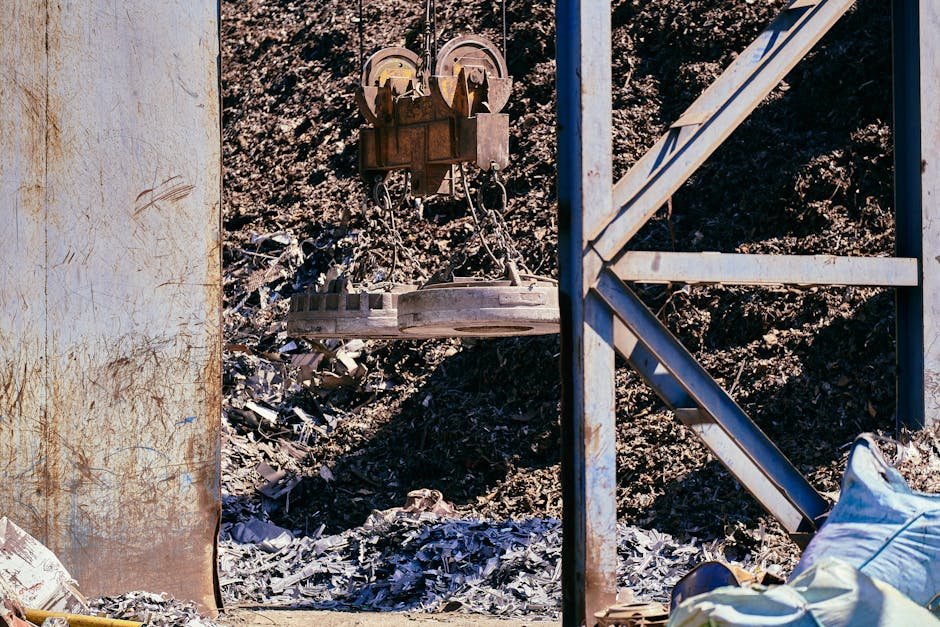
The journey of scrap steel from a demolition site to a new product is a marvel of industrial engineering. Once the material is collected, it undergoes a rigorous sorting process. Large-scale recyclers use powerful magnets to separate ferrous metals from non-ferrous waste. Once sorted, the steel is processed through a shredder or a shear. Shredding turns large, bulky items like car bodies into fist-sized pieces, which increases the surface area and makes the steel easier to melt. Shearing, on the other hand, cuts long steel beams into uniform lengths that fit into furnace charging buckets. This preparation is what creates the ‘marketable’ product that mills purchase. By providing clean, sorted, and sized scrap, you are performing a service that the recycler values, which is why prepared scrap almost always commands a higher price per kg than mixed, dirty scrap. For those looking to partner with professional processors, Scrap Trade offers comprehensive resources for understanding how to prepare your loads for maximum efficiency. Furthermore, for those operating in the Australian domestic market, local industry leaders like Scrap Trade Australia provide the necessary infrastructure to handle industrial-scale volumes, ensuring that the supply chain remains fluid and that the current scrap steel price remains competitive for local sellers.
Environmental Benefits and the Circular Economy
Recycling steel is one of the most effective ways to reduce the carbon footprint of the manufacturing industry. Producing steel from recycled scrap requires up to 75% less energy than producing it from virgin iron ore. This is because the chemical reduction of iron ore in a blast furnace is an incredibly carbon-intensive process. By recycling, we avoid the need for mining, crushing, and smelting raw ore, which preserves natural landscapes and reduces the massive amounts of water and electricity required for extraction. Every tonne of steel recycled saves approximately 1.5 tonnes of iron ore and 500kg of coal. As Australia moves toward net-zero targets, the demand for ‘green steel’—steel produced using renewable energy and high percentages of recycled content—is skyrocketing. This shift is fundamentally changing the scrap industry. Mills are now prioritizing high-quality, low-contaminant scrap to ensure their output meets the strict environmental standards required by modern construction projects. By selling your scrap to reputable recyclers, you are not just making a profit; you are actively participating in the circular economy, ensuring that the steel currently in our buildings and cars can be repurposed for the next generation of infrastructure.
Strategic Tips for Maximizing Your Scrap Returns
To consistently secure the best returns, you must treat your scrap collection like a business. First, segregate your metals at the source. Never mix your high-grade steel with light iron or non-ferrous metals. The lower-grade material will almost always dictate the price for the entire load. Second, keep an eye on the timing. While you cannot time the market perfectly, avoid selling during periods of extreme volatility or when global freight costs are at their peak. Third, build a relationship with your local yard. Yards value consistent, reliable suppliers who provide clean material. If you are a regular, you may be able to negotiate a better price per kg or receive faster service during busy periods. Fourth, invest in basic processing equipment. A simple angle grinder to remove non-ferrous attachments from steel beams can turn a ‘dirty’ load into a ‘clean’ load, significantly increasing your profit margin. Finally, always weigh your material before you leave your site. Having an accurate estimate of your tonnage allows you to verify the scale weight at the yard, ensuring transparency in the transaction. Remember that the market rate is a guide; your ability to present your material professionally is what determines your final payout.
Future Trends in the Australian Scrap Market
The Australian scrap steel market is entering a period of transformation. We are seeing increased investment in automated sorting technology, which uses X-ray fluorescence (XRF) and artificial intelligence to identify alloy compositions with near-perfect accuracy. This technology will eventually allow for the creation of ‘bespoke’ scrap grades that are tailored to the specific needs of individual steel mills. Furthermore, the rise of domestic manufacturing initiatives under the ‘Made in Australia’ banner is likely to increase the demand for high-quality recycled steel within our borders. This could lead to a decoupling of local prices from international export fluctuations, potentially stabilizing the market for local sellers. As global regulations on carbon emissions tighten, the premium on low-contaminant scrap will only increase. Sellers who focus on quality and cleanliness will find themselves in a position of strength, as the industry moves away from ‘bulk’ commodity trading toward a more specialized, value-added model. Staying ahead of these trends by utilizing industry-leading data and maintaining high standards of material preparation will ensure that you remain profitable in an evolving landscape.
Frequently Asked Questions
What is the primary factor that causes the scrap steel price to fluctuate?
The primary driver is the global demand for iron ore and the subsequent cost of steel production. Additionally, shipping freight costs, local energy prices, and the global demand for finished steel products significantly impact daily market rates.
How can I ensure I get the best price for my scrap steel?
To maximize your returns, always segregate your scrap by grade and remove any non-ferrous contaminants like copper wiring or plastic. Providing clean, prepared material to the yard will consistently earn you a higher price per kg than delivering mixed, dirty loads.
Does the grade of steel really make a difference to the payout?
Yes, grading is critical. Higher-grade steel, such as heavy melting steel, is easier for mills to process and contains fewer impurities, making it more valuable than light iron or mixed scrap. Always categorize your material before heading to the weighbridge.
Why is recycling steel considered better for the environment?
Recycling steel requires significantly less energy than extracting and processing virgin iron ore. It reduces the need for mining, lowers carbon emissions from smelting, and conserves natural resources, playing a vital role in a sustainable circular economy.