
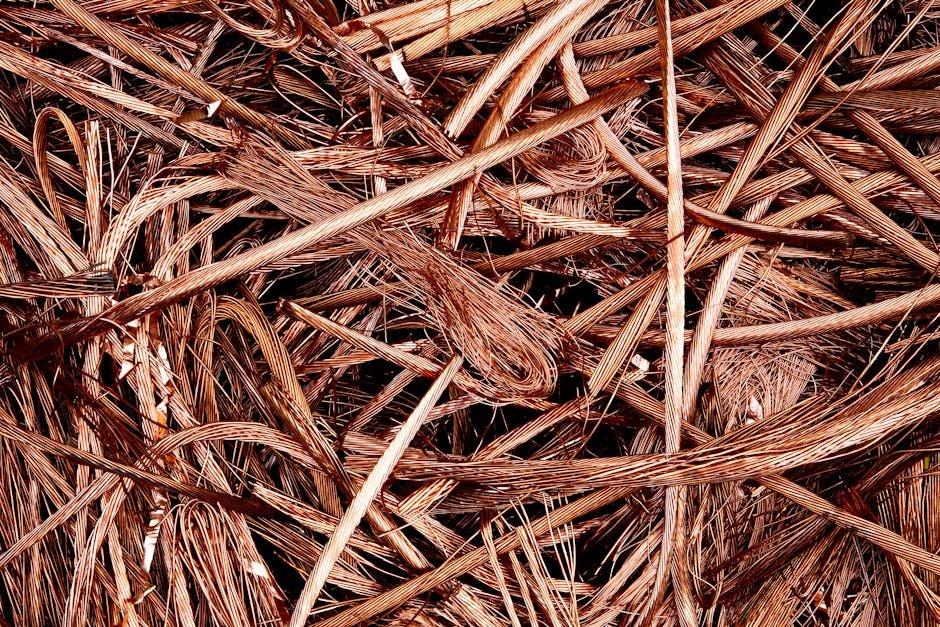

Understanding the current price for scrap copper is essential for contractors, electricians, and industrial businesses looking to maximize the return on their metal waste. As one of the most valuable non-ferrous metals in the Australian recycling sector, copper is a cornerstone of the circular economy. Whether you are dealing with high-grade Scrap Copper or mixed industrial wiring, knowing how to categorize your materials can significantly impact your bottom line. Because the market is volatile, staying informed about Copper Scrap Price Guide: Current Market Values & Recycling Tips is the first step in successful scrap management. While many look for Scrap Copper Prices Near Me, the reality is that global commodity trends dictate the baseline, which local yards then adjust based on processing costs and logistics.
How Global Markets Influence the Price for Scrap Copper
The global copper market is primarily driven by the London Metal Exchange (LME). When you look at metal prices today, you are essentially looking at a snapshot of global industrial demand. Copper is widely considered a ‘barometer’ for the global economy because it is used in almost every sector, from construction and telecommunications to renewable energy and electric vehicles. When China’s manufacturing output increases, global demand for copper rises, pushing up the price per kg for scrap collectors. Conversely, economic downturns or increased supply from mining operations can lead to a dip in valuation.
In Australia, the exchange rate between the AUD and the USD plays a massive role. Since copper is traded globally in USD, a stronger Australian dollar can sometimes dampen the local price, while a weaker dollar can make exported scrap more lucrative. Additionally, local scrap yards must factor in the cost of transport, labor, and the energy required to process and smelt the metal. This is why you will often see regional variations in the price per kg; a yard in a remote mining town may offer different rates than a high-volume facility in Sydney or Melbourne due to freight logistics.
Understanding Copper Grades: From Bare Bright to Number 2
To secure the best price for scrap copper, you must understand how recyclers grade your material. The purity of the copper is the single most important factor in its valuation. The higher the purity, the less processing required at the refinery, and therefore, the higher the payout.
- Bare Bright Copper: This is the gold standard. It consists of unalloyed, uncoated, and uninsulated copper wire, typically 16 gauge or thicker. It must be free of oxidation, paint, or solder. Because it is essentially pure copper, it commands the highest price per kg.
- Number 1 Copper: Often referred to as ‘heavy copper,’ this includes clean copper pipe and tubing that is free of fittings, insulation, or paint. It is slightly less valuable than bare bright but remains a top-tier item.
- Number 2 Copper: This grade includes copper that has some minor impurities, such as solder, paint, or light oxidation. It often includes pipe that has been used in plumbing and still has small amounts of brass fittings or oxidation marks.
- Insulated Copper Wire: This is graded based on the percentage of copper recovery. A thick, high-quality power cable will have a higher recovery rate than thin ‘data’ wire, which contains more plastic insulation than metal.
By separating these grades before you arrive at the yard, you prevent your high-value bare bright from being downgraded to the price of number 2 copper. Always use a magnet to test your material; if a magnet sticks, it is likely steel or iron-contaminated and will be downgraded significantly.
The Mechanics of Copper Recycling in Australia
The recycling process is a sophisticated industrial operation designed to recover 100% of the copper’s value without degrading its properties. Unlike plastic, copper can be recycled infinitely without losing its electrical conductivity or structural integrity. Once your scrap is weighed and purchased by a yard, it enters a rigorous sorting process. Automated shredders and magnetic separators remove steel and iron contaminants, while eddy current separators are used to isolate non-ferrous metals like aluminum—which you can learn more about in our guide on Aluminum Scrap Price In 2026.
After sorting, the copper is often stripped of insulation through mechanical granulators. The resulting ‘chopped’ copper is then melted in furnaces to create standardized ingots or billets. These are then sold back to manufacturers to be drawn into new wires, pipes, or components. This closed-loop system is highly efficient, requiring up to 85% less energy than mining and refining virgin copper ore. By participating in this system, you are not just making money; you are reducing the environmental footprint of the entire construction and manufacturing sector.
Factors Affecting Current Scrap Prices
Beyond the LME, several practical factors influence the current scrap prices you receive on any given day. Seasonality is a factor; construction activity often slows down during certain times of the year, which can affect the volume of scrap entering the market. When supply is low, local yards may increase their buying prices to attract more material. Conversely, when large demolition projects flood the market with copper, prices may temporarily soften.
Logistics and volume also play a critical role. If you are a commercial contractor with a consistent supply of industrial-grade copper, you can negotiate a premium price per kg that a casual ‘one-off’ seller cannot. High-volume scrap providers are highly valued by recyclers because they provide a predictable stream of material. For those looking to partner with reliable experts, Scraptrade Australia provides the infrastructure to handle large-scale commercial recycling needs effectively. Always ensure you are dealing with a licensed facility that provides transparent weighing and grading, as this is the only way to guarantee you are getting a fair market rate.
Environmental Benefits and the Future of Copper
The environmental case for recycling copper is overwhelming. Mining is an energy-intensive and ecologically disruptive process. By choosing to recycle, you are directly contributing to the reduction of greenhouse gas emissions associated with mining, crushing, and smelting new ore. Furthermore, Australia’s commitment to net-zero targets relies heavily on the electrification of the economy. Copper is the essential metal for electric vehicle motors, charging infrastructure, and renewable energy grids. As the demand for these technologies explodes, the value of recycled copper will only continue to rise.
We are currently seeing a shift toward ‘urban mining,’ where cities are viewed as massive reservoirs of raw materials. Instead of digging new holes in the ground, we are increasingly relying on the recovery of existing metals from buildings, cables, and electronics. This shift is not just an environmental imperative; it is a business opportunity. Those who master the art of scrap segregation and maintain strong relationships with reputable recycling yards are positioning themselves at the forefront of this green industrial revolution.
Practical Tips for Maximizing Your Scrap Returns
To consistently secure the best price for scrap copper, you must treat your scrap like a product. First, keep your copper clean. A little bit of effort in removing plastic, steel, or brass fittings can move your material from a lower grade to a higher grade, often resulting in a 20-30% increase in payout per kg. Second, store your copper in a dry, covered area. Oxidation (the green tarnish) is a sign of degradation; while it doesn’t make the copper worthless, it can lead to a lower grade classification. Keep your scrap out of the rain and away from corrosive chemicals.
Third, keep an eye on the market. Use digital tools and apps that track metal prices today so you know when it is a good time to sell. If you have a large stockpile, don’t feel pressured to sell during a market dip. If you can wait a few weeks for a price correction, the difference in your total profit can be substantial. Finally, build a relationship with your local yard. Being a regular, honest, and organized customer makes you a preferred seller. Yards are more likely to offer competitive rates to those who bring in clean, well-sorted material on a consistent basis. By following these professional strategies, you ensure that you are not just disposing of waste, but actively managing a valuable asset that supports the Australian economy and the global transition to a sustainable future. Visit Scrap Trade for more resources on optimizing your recycling workflow and staying ahead of market trends. The industry is evolving, and those who treat scrap metal as a serious business commodity will continue to reap the rewards of the growing demand for secondary raw materials.
Frequently Asked Questions
How often do scrap copper prices change?
Scrap copper prices are tied to the London Metal Exchange (LME) and fluctuate daily based on global supply, demand, and currency exchange rates. Most reputable scrap yards update their buying prices at least once a day to reflect these shifts.
Does the condition of the copper affect the price?
Yes, condition is the primary factor in grading. Clean, uninsulated, and unoxidized copper (Bare Bright) receives the highest price, while copper contaminated with solder, paint, or plastic insulation is downgraded to lower, less valuable categories.
Should I strip insulation off copper wire?
It depends on your tools and the volume of wire. If you have a mechanical wire stripper, removing the insulation can significantly increase your profit per kg by upgrading it to ‘Bare Bright’ or ‘Number 1’ copper. If you lack the equipment, selling it as insulated wire is still profitable but at a lower rate.
What is the best way to store scrap copper before selling?
Store your scrap in a dry, covered, and secure location to prevent oxidation and theft. Keeping different grades separated in clearly labeled bins will also save you time at the weighbridge and ensure you receive the correct price for each specific grade.