
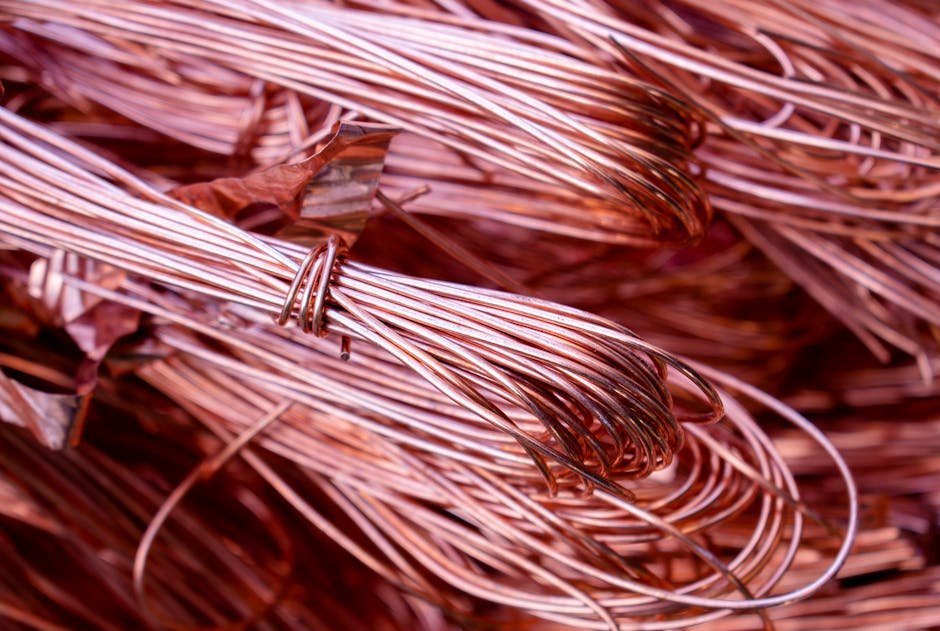

Understanding recycling copper prices is the cornerstone of a profitable scrap metal strategy for both contractors and industrial operations across Australia. Because copper is a globally traded commodity, its value is rarely static, shifting daily based on macroeconomic indicators, supply chain logistics, and the specific grade of the metal you are looking to offload. Whether you are holding a stockpile of high-value copper pipe or stripping industrial cabling, knowing how to interpret the market is essential. For those seeking immediate local data, our Scrap Copper Prices Near Me tool provides the most accurate localized insights for your region.
The Mechanics of Global Copper Pricing
To truly master the market, you must first understand that recycling copper prices are primarily pegged to the London Metal Exchange (LME). The LME acts as the global benchmark for non-ferrous metals, setting a price that filters down to Australian recyclers. When the LME price rises, local scrap yards adjust their buy rates accordingly, though they must also account for operational costs, transport, and the eventual cost of processing the material into a furnace-ready state.
Beyond the LME, currency fluctuations play a massive role. Since copper is traded in USD, a strong Australian Dollar (AUD) can sometimes soften the impact of rising global prices, while a weaker AUD often results in higher payouts for scrap sellers. This is why checking current metal prices today is a daily ritual for professional traders. Furthermore, supply and demand dynamics—such as infrastructure projects in China or mining strikes in South America—can cause sudden volatility. When global supply is tight, recyclers compete more aggressively for scrap, driving up the price per kg for high-quality loads.
Categorizing Scrap: Why Grade Matters
Not all copper is created equal, and the price per kg you receive at the weighbridge depends entirely on the grade. Recyclers categorize copper based on the level of contamination and the effort required to process it. Understanding these categories is the single most effective way to maximize your returns. For a deeper dive into the technical specifications, refer to our comprehensive resource on Understanding Copper Prices for Recycling: The Ultimate Guide.
- Bare Bright Copper: This is the gold standard. It consists of clean, unalloyed, uncoated copper wire, usually stripped of all insulation. Because it requires zero processing, it fetches the highest price per kg.
- Number 1 Copper: This includes copper pipe and tubing that is free of fittings, solder, or paint. It must be clean and bright, with no oxidation or heavy corrosion.
- Number 2 Copper: This grade includes copper that has some level of contamination, such as solder, paint, or minor oxidation. It is still valuable but trades at a discount to reflect the labor required to clean it.
- Insulated Copper Wire: Prices here are determined by the ‘recovery rate’—the percentage of copper remaining after the plastic insulation is removed. High-grade data cables or heavy-duty power cables command better prices than thin, low-yield household wiring.
If you are also dealing with other scrap materials, it is worth noting that Aluminum Can Recycling Prices How To Maximize Your Earnings can provide a secondary revenue stream that complements your copper collection strategy.
Factors That Influence Your Payout
While the LME sets the baseline, local factors dictate the final amount in your pocket. The most significant factor is the volume of your scrap. Recyclers operate on thin margins and high turnover; therefore, large, sorted, and clean loads are always more profitable than small, mixed batches. If you bring in a mixed bag of copper wire, brass fittings, and steel, the yard must spend time separating these materials, which increases their labor costs and reduces the price they can pay you.
Location also matters. If you are in a remote area, transport costs to the nearest refinery will be deducted from your payout. Conversely, if you are near a major industrial hub, competition between yards often leads to better pricing. For those looking for a broader overview of the market, our portal at Scrap Trade Australia provides extensive resources on market trends and industry best practices. Always ensure your scrap is free of ‘tramp elements’—materials like plastic, rubber, or iron that can ruin a batch of molten copper. Even a small amount of contamination can downgrade a load from ‘Bare Bright’ to ‘Number 2’, significantly impacting your bottom line.
Strategic Collection and Processing
Professional scrap metal traders do not just wait for the market to move; they actively manage their inventory. The most successful operators treat their scrap yard as a processing facility. By investing in basic tools—such as wire strippers, heavy-duty shears, and magnetic separators—you can significantly improve the grade of your material. Stripping insulation from copper wire is the most common way to increase your profit margin. While it requires time and effort, the difference in price per kg between insulated wire and bare bright copper is often substantial enough to make the labor highly profitable.
Storage is another critical factor. Keep your copper indoors or under cover to prevent oxidation. While copper is durable, surface oxidation (the green patina) can lead to a lower grade classification at some yards. Additionally, keep your different grades separated. If you mix your clean copper pipe with dirty, soldered fittings, the entire load will be valued at the lower rate. By maintaining clean, sorted, and well-organized piles, you demonstrate to the buyer that you are a professional, which can often lead to better long-term pricing agreements.
The Role of Technology in Market Tracking
Modern scrap trading has moved beyond just reading the daily newspaper. Today, traders use digital platforms to monitor Scrap Metal Prices in real-time. By tracking the LME and local currency trends, you can time your sales to coincide with market peaks. For instance, if you see a trend of rising copper prices, it may be worth holding your inventory for an extra week to capture the upside. Conversely, if the market shows signs of a correction, it is often better to clear your yard and realize your profit immediately.
Advanced traders also utilize data analytics to track their historical performance. By recording the weight, grade, and price per kg for every load you sell, you can identify patterns that help you optimize your collection routes or processing methods. This level of granular detail transforms scrap metal trading from a casual hobby into a sophisticated business operation. Remember that the market is cyclical; understanding these cycles is what separates the casual seller from the professional recycler.
Environmental Impact and Future Trends
The demand for copper is currently at an all-time high, driven largely by the global transition to renewable energy. Copper is essential for electric vehicles (EVs), wind turbines, and solar panel infrastructure. This structural shift in demand suggests that the long-term outlook for recycling copper prices is robust. As the world moves away from fossil fuels, the reliance on recycled copper will only increase, as it is significantly more energy-efficient to recycle existing copper than to mine and refine new ore.
Furthermore, ESG (Environmental, Social, and Governance) mandates are forcing major manufacturers to prioritize the use of recycled materials. This is creating a ‘green premium’ for recycled copper, as companies look to reduce their carbon footprint. By participating in the recycling economy, you are not just making a profit; you are contributing to a circular economy that reduces the environmental degradation associated with primary mining. This global trend is likely to support higher price floors for scrap copper over the coming decade, making it a reliable asset class for those with the infrastructure to collect and process it effectively.
Maximizing Profits: A Checklist for Success
To consistently achieve the best results, follow this professional checklist before heading to the scrap yard:
- Sort by Grade: Never mix your grades. Keep Bare Bright, Number 1, and Number 2 in separate containers.
- Clean Your Material: Remove plastic, wood, and steel attachments. The cleaner the load, the higher the price.
- Strip Your Wire: If the volume justifies it, invest in a wire stripping machine to convert insulated wire into bare bright copper.
- Monitor the Market: Use online tools to track daily price movements before you commit to a sale.
- Build Relationships: Find a reputable local yard and build a rapport with the manager. Consistent sellers often get better pricing than one-off visitors.
- Safety First: Copper scrap can be sharp and heavy. Always wear appropriate PPE, including gloves and safety boots, when handling or transporting your material.
By following these steps, you ensure that you are not leaving money on the table. The scrap metal industry rewards those who are disciplined, organized, and informed. Whether you are a small-scale collector or a large industrial contractor, the principles of successful trading remain the same: quality, consistency, and market awareness. As you continue to refine your process, you will find that your ability to navigate the complexities of recycling copper prices becomes a significant competitive advantage in the Australian market.
Frequently Asked Questions
What is the biggest factor affecting copper scrap prices?
The primary factor is the global LME (London Metal Exchange) spot price, which acts as the benchmark for all copper trading. Local factors like supply, demand, and the purity or ‘grade’ of your specific load then determine the final price paid by the recycler.
Is it worth stripping insulation off copper wire?
Yes, in most cases, stripping insulation significantly increases the value of your scrap. By converting insulated wire into ‘bare bright’ copper, you move your material into the highest-paying grade category, which typically compensates for the time and labor spent stripping.
How often do scrap metal prices change?
Scrap metal prices can fluctuate daily, mirroring the volatility of global commodity markets. It is recommended to check current market rates immediately before visiting a scrap yard to ensure you are receiving the most up-to-date valuation.
Why does my local yard pay less than the LME price?
The LME price is for refined, high-purity copper on the global market. Local scrap yards must deduct their operational costs, including transport, labor for sorting, processing, and the profit margin required to keep their business running.