
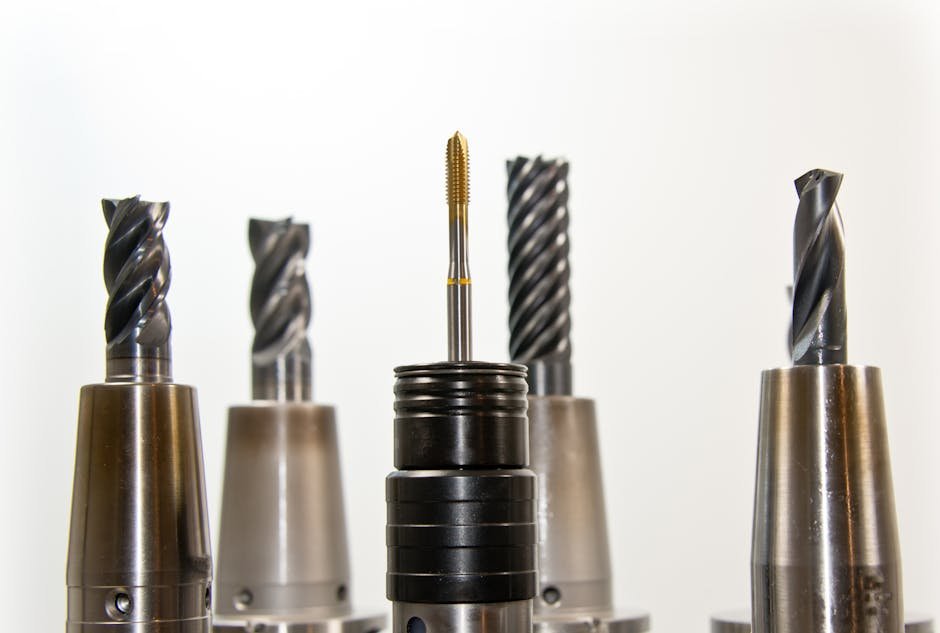

Understanding the current drill bit scrap price is essential for industrial contractors, mining operations, and machine shops looking to turn worn-out tooling into a significant revenue stream. Because these tools are engineered from high-performance materials, they possess an intrinsic value far exceeding standard ferrous scrap. Whether you are managing a large-scale mining site or a small fabrication workshop, knowing exactly how to grade, sort, and sell your tungsten carbide bits can dramatically impact your bottom line. In this guide, we break down the complexities of the market, the technical nuances of metallurgical composition, and the strategic steps required to secure the best possible returns for your scrap assets.
The Economics of Drill Bit Scrap Price
The drill bit scrap price is not a static figure; it is a highly volatile metric driven by the global demand for tungsten and cobalt. Unlike common steel, which is priced by the tonne, carbide tooling is priced by the kilogram due to the extreme density and specialized nature of the material. When you monitor the metal prices today, you are essentially tracking the cost of raw ore extraction versus the efficiency of secondary recycling. For businesses operating in Australia, the market rate is heavily influenced by the strength of the AUD against the USD, as tungsten is traded internationally in US dollars. To truly maximize your profit, you must treat your scrap inventory as a commodity portfolio. This requires consistent monitoring of the global scrap metal market to time your sales during market peaks. Furthermore, understanding the How To Price Scrap For Export Markets is critical if you are dealing with large volumes, as international buyers often provide better margins than local consolidation points. When you compare your current holdings against these benchmarks, you can identify whether you are receiving fair value or leaving money on the table.
Understanding Carbide Composition and Grading
Not all drill bits are created equal. The drill bit scrap price fluctuates based on the specific grade of tungsten carbide, which is defined by its cobalt binder content. Tungsten carbide is a composite material—a matrix of tungsten carbide grains held together by a metallic binder, usually cobalt. The higher the cobalt content, the tougher the material, but the lower the tungsten value. Recyclers use X-ray fluorescence (XRF) analyzers to determine the exact elemental breakdown of your scrap. High-cobalt bits (often used in mining) have a different market value compared to low-cobalt, high-hardness bits (used in precision machining). It is vital to keep these grades separated. Mixing high-grade inserts with low-grade steel shanks or contaminated material will result in a lower ‘blended’ price. Always consult with a professional at Australian metal recycling experts to ensure your sorting process aligns with current industry standards. For those who deal with diverse tooling, it is also useful to cross-reference your inventory with a Carbide Bit Scrap Price: A Comprehensive Guide to Market Value to ensure you are accurately categorizing your stock before it hits the scales.
Factors Influencing Market Fluctuations
Several macroeconomic factors dictate the price per kg you see on any given day. First, the mining sector’s health is a leading indicator; when global mining activity increases, the demand for high-quality, virgin tungsten rises, which in turn spikes the value of recycled carbide. Second, geopolitical tensions in major tungsten-producing regions often lead to supply chain uncertainty, causing market rates to surge. Third, the cost of energy plays a massive role. The process of turning scrap carbide back into a powder (the ‘zinc process’ or ‘chemical process’) is energy-intensive. When electricity and fuel prices rise, the overhead for recycling plants increases, which can temporarily compress the purchase price offered to scrap generators. It is also important to note that the market for other metals often moves in tandem with carbide. For instance, if you are also clearing out your facility, you should monitor the Stainless Steel Scrap Price and the Aluminum Scrap Price In 2026 to see if your total scrap load can be bundled for better logistics pricing. By understanding these correlations, you move from being a passive seller to a strategic market participant.
The Recycling Process: From Bit to Powder
The transformation of a worn-out drill bit into a new industrial tool is a marvel of modern circular economy engineering. Once your scrap is collected, it undergoes a rigorous sorting process to remove contaminants like steel shanks, braze, or ceramic coatings. The clean carbide is then subjected to one of two primary recycling methods: the zinc process or the chemical process. In the zinc process, the scrap is heated in a molten zinc bath, which causes the binder (cobalt) to swell and crack the carbide matrix, allowing the tungsten to be reclaimed as a powder. The chemical process, while more complex, allows for the complete breakdown of the material into its base elements, resulting in a high-purity product that is indistinguishable from virgin material. This closed-loop system is the reason the drill bit scrap price remains consistently high compared to other scrap materials—the industry has a massive, built-in demand for recycled tungsten. By participating in this cycle, you are not just making money; you are contributing to a sustainable supply chain that reduces the need for destructive open-pit mining.
Environmental Benefits and Sustainability
Recycling tungsten carbide is one of the most environmentally impactful actions a manufacturing or mining business can take. Tungsten is a finite resource, and its extraction involves significant environmental degradation, including soil erosion and water contamination. By selling your scrap for recycling, you effectively lower the carbon footprint of the entire tool manufacturing industry. Recycled tungsten requires approximately 70% less energy to produce than virgin tungsten. Furthermore, the reduction in mining waste and the preservation of natural habitats are tangible benefits that many Australian firms now report in their Environmental, Social, and Governance (ESG) disclosures. When you partner with a reputable recycler, you ensure that your waste is processed in compliance with local environmental regulations, preventing hazardous materials from entering landfills. This commitment to circularity is increasingly becoming a requirement for Tier 1 mining contracts, where supply chain transparency is non-negotiable. Promoting your recycling efforts can even serve as a competitive advantage in your own business tenders.
Strategic Tips for Maximizing Returns
To consistently secure the best drill bit scrap price, you must implement a strict internal management system. Start by designating a specific, clean area for carbide collection. Contamination is the primary reason for price downgrades. A single piece of high-speed steel (HSS) mixed into a bin of tungsten carbide can contaminate an entire batch, forcing the buyer to downgrade the price of the whole shipment. Use magnetic separation to ensure no ferrous metals are included in your carbide bins. If you have significant volumes, consider investing in a basic XRF gun to perform your own testing, or build a relationship with a buyer who provides transparent assay reports. Never accept a ‘flat rate’ for mixed scrap without understanding the breakdown of what is included. Always request a detailed receipt that outlines the weight of the carbide, the grade, and the current market rate applied. Furthermore, consider the logistics. If you are shipping large quantities, the cost of freight can eat into your margins. Consolidate your shipments to optimize transport, and always seek competitive quotes from at least three different specialized scrap metal merchants to ensure you are tracking with the current market rate. Finally, keep a detailed log of your sales over time. This data will allow you to identify seasonal trends and market cycles, helping you decide when to hold onto your scrap and when to liquidate for maximum profit.
The Future of the Carbide Market
The outlook for the drill bit scrap price remains bullish as the global transition to renewable energy and advanced manufacturing continues to accelerate. Tungsten is a critical component in wind turbine components, electric vehicle motors, and high-precision electronics. As these industries expand, the competition for both virgin and recycled tungsten will intensify, likely putting upward pressure on long-term pricing. For Australian businesses, this presents a unique opportunity. By positioning yourself as a reliable supplier of high-quality, sorted carbide scrap, you can build long-term partnerships with recyclers who are desperate for clean, consistent input material. Stay informed, stay organized, and treat your scrap as a high-value asset. The market rewards those who treat recycling with the same level of professional rigor as any other aspect of their business operations. By leveraging the resources and market intelligence provided here, you are well-equipped to navigate the complexities of the scrap metal industry and turn your waste into a consistent, sustainable revenue stream.
Frequently Asked Questions
Why is the drill bit scrap price higher than regular steel?
Drill bits are primarily composed of tungsten carbide, a rare, dense, and high-value material that is expensive to mine and process. Because tungsten is a critical industrial commodity with high demand, the scrap value reflects the cost of recovering these precious elements rather than just the weight of the metal.
How can I tell if my drill bits are worth money?
Tungsten carbide bits are significantly heavier than steel bits of the same size and are generally non-magnetic or only weakly magnetic. You can verify their value by checking for a ‘WC’ stamp, using a magnet, or having a scrap dealer perform an XRF test to confirm the tungsten and cobalt content.
Does contamination affect the price I receive?
Yes, significant contamination from steel shanks, braze, or other metals will drastically reduce the price per kg. Recyclers must factor in the cost of separating these materials, so providing clean, sorted, and contaminant-free carbide is the best way to ensure you receive the highest market rate.
Should I sell my scrap immediately or wait for better prices?
The market for tungsten is influenced by global mining output and manufacturing demand, meaning prices fluctuate based on commodity cycles. If you have the storage space, it is often wise to monitor the market for a few months and sell during periods of high industrial demand to maximize your returns.