
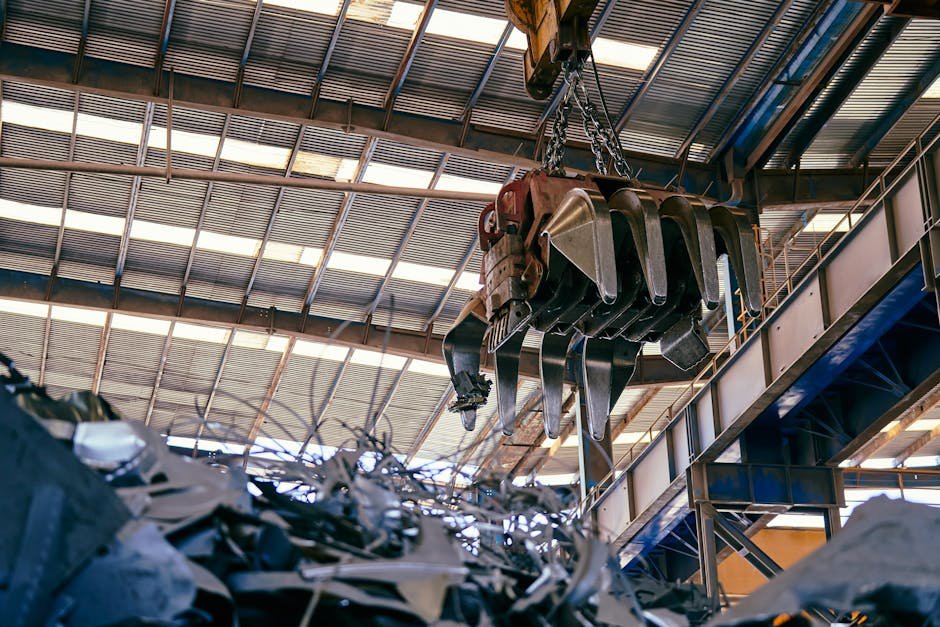

When you decide to sell iron scrap, you are participating in a multi-billion dollar circular economy that powers Australian infrastructure. Whether you are a tradesperson clearing a job site or a homeowner cleaning out a shed, understanding the nuances of the ferrous market is the difference between a minor payout and a significant profit. The market for iron is driven by global demand for steel production, meaning your scrap metal is a commodity with a fluctuating value. To navigate this effectively, you must understand how to Sell Scrap by preparing your materials for maximum yield.
Understanding Ferrous Scrap and Iron Grades
Not all iron is created equal. In the recycling industry, iron is categorized as ferrous scrap, which is distinguished by its magnetic properties and iron content. To get the best price, you must distinguish between light iron, heavy melting steel, and cast iron. Light iron, often referred to as ‘white goods’ or sheet metal, generally commands a lower price per kilogram due to the energy required to process it. Conversely, heavy melting steel (HMS) and cast iron are highly sought after by steel mills because they have a high density and low impurity levels. When you sell iron scrap, your goal is to present the cleanest possible load. Contamination—such as plastic, rubber, wood, or concrete—will result in a ‘dock’ or a lower grade classification, effectively reducing your profit. For a deeper dive into these classifications, refer to our comprehensive resource on How to Sell Scrap Iron: A 2026 Australian Guide.
How to Get the Best Price per KG
Achieving the best price for your scrap requires timing and preparation. The iron price per kg is influenced by global steel indices, shipping costs, and local demand. Before heading to a professional scrap metal recycler, check the current market trends. Prices can vary significantly between different regions in Australia based on proximity to ports and industrial hubs. One of the most effective ways to secure a higher rate is to accumulate a larger volume. Scrap dealers often offer better pricing for bulk loads because it reduces their transport and handling costs. Furthermore, ensure your scrap is sorted. Mixing different grades of iron with non-ferrous metals like copper or aluminium is a rookie mistake that prevents you from receiving the premium price for the more valuable components. Always ask for a printed weighbridge ticket to verify the tonnage. Transparency is the hallmark of a reputable buyer.
Where to Sell and Finding a Reliable Dealer
Finding the right partner is critical to your success. If you are looking for where to sell, start by searching for Sell Scrap Metal Near Me In 2026 to identify yards that are equipped with modern processing machinery. A reputable dealer will offer competitive rates, provide safe unloading zones, and have clear, transparent pricing structures. Avoid yards that operate in cash-only environments without proper documentation or weighbridge certification, as these often lead to undervalued loads. Look for members of the Iron Scrap Group, as these organizations typically adhere to industry best practices regarding safety and environmental compliance. A professional dealer will also be able to provide advice on logistics, such as whether they offer bin hire or pickup services for large-scale demolition projects.
Documentation and Legal Requirements
In Australia, the scrap metal industry is strictly regulated to prevent the trade of stolen goods. When you sell iron scrap, you must be prepared to provide valid government-issued identification, such as a driver’s license or passport. Many states now require scrap dealers to record the details of the seller, the vehicle registration, and the nature of the scrap being sold. This is not just a bureaucratic hurdle; it is a vital step in maintaining the integrity of the recycling chain. Keep a record of your transactions, including the date, the weight of the material, and the price received. This documentation is essential for tax purposes, especially if you are a business or contractor operating in the construction sector. Maintaining clean records also helps you track your profitability over time.
The Environmental Impact of Iron Recycling
Recycling iron is one of the most environmentally impactful actions an individual or business can take. Producing new steel from virgin iron ore is an energy-intensive process that requires massive amounts of coal and produces significant carbon emissions. By contrast, recycling ferrous scrap uses up to 75% less energy than primary production. When you recycle your scrap, you are directly contributing to the conservation of natural resources and reducing the need for destructive open-cut mining. Furthermore, recycled iron maintains its properties indefinitely; it can be melted down and reformed into new steel products without losing strength or durability. This creates a closed-loop system that is essential for a sustainable future. By choosing to recycle, you are helping to reduce landfill waste and minimizing the ecological footprint of the construction and manufacturing industries.
Advanced Strategies for Industrial Scrap Management
For businesses generating consistent volumes of iron scrap, the approach must be strategic. Instead of treating scrap as waste, treat it as a revenue stream. Implement a segregation program at your work site to separate high-grade steel from low-grade light iron. Investing in a small magnetic separator or a dedicated sorting area can significantly increase the purity of your scrap, leading to higher payouts. Develop a relationship with a local, high-volume dealer who can offer you a long-term contract or a ‘spot price’ that is adjusted based on market volatility. Regularly review your scrap management processes to identify where inefficiencies exist. Are you paying for transport that could be avoided? Is your scrap being contaminated by other waste streams? By optimizing your internal logistics, you can transform your scrap pile from a liability into a reliable secondary income source.
The Future of the Australian Scrap Market
As we move further into 2026, the Australian scrap market is becoming increasingly digitized. We are seeing the rise of platforms that provide real-time price tracking and digital inventory management for scrap sellers. This transparency is empowering sellers to make more informed decisions about when to hold and when to sell. Additionally, the global push towards ‘green steel’ is increasing the demand for high-quality recycled iron. Steel manufacturers are under pressure to reduce their carbon emissions, and using high-grade recycled scrap is the most effective way for them to achieve these targets. This shift in demand is likely to support strong pricing for clean, well-sorted iron scrap in the coming years. By staying educated, keeping your scrap clean, and building strong relationships with reputable buyers, you are positioning yourself at the forefront of this evolving industry.
Frequently Asked Questions
What is the difference between ferrous and non-ferrous scrap?
Ferrous scrap contains iron and is magnetic, such as steel, cast iron, and wrought iron. Non-ferrous scrap, like copper, aluminium, and brass, does not contain iron and is typically more valuable per kilogram.
Why does the price of iron scrap change so often?
The price of iron fluctuates based on global steel demand, international shipping costs, and the current cost of iron ore. Since scrap is a global commodity, local prices are heavily influenced by these international market movements.
Do I need to clean my iron scrap before selling it?
Yes, removing non-metallic contaminants like plastic, wood, and concrete is essential. Clean scrap is graded higher by dealers, which results in a better price per kilogram compared to mixed or dirty loads.
What documents are required to sell scrap metal in Australia?
You must provide a valid government-issued photo ID, such as a driver’s license, to comply with state regulations. Some yards may also require you to provide your ABN if you are selling as a business.