
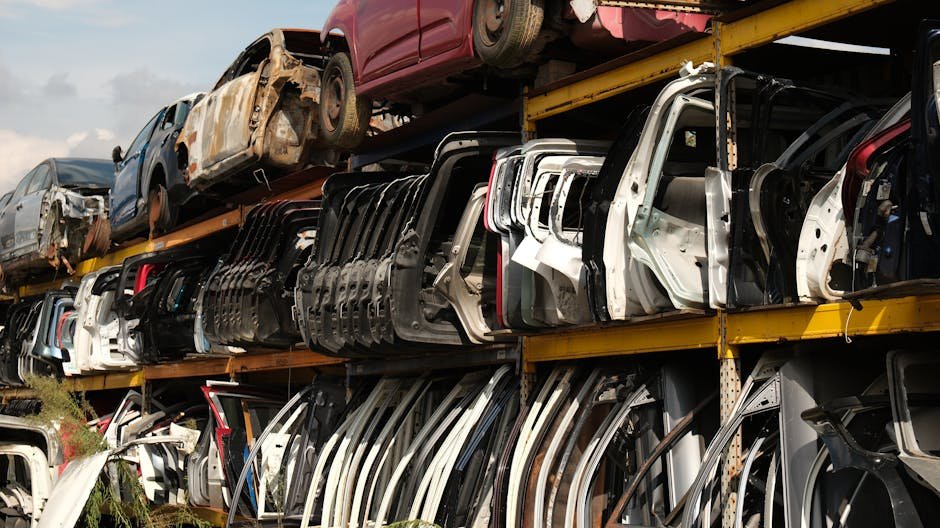

If you have been asking yourself how do i scrap my car for money, you are likely sitting on a valuable asset that is currently underperforming in your driveway. In Australia, the automotive recycling industry is a sophisticated, multi-billion dollar sector that turns end-of-life vehicles into raw materials for manufacturing. Understanding the process is key to maximizing your return. Whether you are dealing with a rusted-out shell or a late-model write-off, the value is determined by the weight of the steel, the presence of non-ferrous metals like aluminum and copper, and the reusability of high-demand auto parts. By leveraging professional networks like the B2b Scrap Trading Platform, you can ensure you are getting market-leading rates for your scrap.
The Economics of Vehicle Recycling in Australia
The Australian scrap market is driven by global commodity prices. When you scrap a car, you are not just selling a vehicle; you are selling a collection of commodities. The process begins with the car wreckers, who act as the primary collection points. They dismantle vehicles to recover valuable components before the remaining shell is crushed and shredded. For those looking for a broader understanding of the local landscape, the Scrap Trade Australia network provides deep insights into how these commodities are priced and traded. The value of your car fluctuates based on the daily LME (London Metal Exchange) prices for steel, aluminum, and copper. High-grade scrap includes catalytic converters, which contain precious metals like platinum, palladium, and rhodium. These specific components often fetch a higher price than the entire body of the vehicle combined. Professional recyclers categorize these materials meticulously to ensure they enter the correct supply chain, which is why working with a reputable Scrap Trade Organisation is essential for transparency.
How Do I Scrap My Car for Money: The Step-by-Step Process
Navigating the logistics of scrapping a vehicle can seem daunting, but it follows a standardized industry procedure designed to ensure safety and environmental compliance. When you ask how do i scrap my car for money, you are essentially asking how to facilitate a clean transfer of ownership and material. First, you must gather all necessary documentation, including your proof of ownership or registration. Second, you need to remove all personal belongings from the vehicle. Third, contact a licensed auto wrecker. Many people find success by consulting resources like the Scrap Car Liverpool: Recycling Guide & Environmental Benefits to understand the regional requirements for vehicle disposal. Once the wrecker inspects the vehicle, they will offer a quote based on the weight and the condition of the engine and transmission. If you accept, the car is towed, and you receive payment. It is a streamlined process that keeps hazardous materials out of landfills and feeds the circular economy.
Understanding Scrap Grades and Component Value
Not all scrap metal is created equal, and understanding the grading system is the secret to maximizing your profit. Vehicles are graded primarily by their composition and the ease with which they can be processed. Ferrous metals, such as the chassis and engine block, represent the bulk of the weight but have a lower price per kilogram compared to non-ferrous metals. Non-ferrous scrap, including radiators (often made of copper or brass), aluminum rims, and wiring looms, are highly sought after by recyclers. Furthermore, the market for auto parts is a critical factor. A car that is considered ‘scrap’ to an individual owner might be a goldmine for a wrecker if the alternator, starter motor, or body panels are still in working order. By selling to a wrecker that specializes in part recovery, you are often paid a premium over the raw metal value. For those interested in the broader industry standards, visiting Scraptrade.com.au can provide you with the latest data on how these grades are assessed in the Australian market.
Environmental Benefits of Professional Vehicle Recycling
Beyond the financial incentive, there is a profound environmental responsibility in scrapping a car correctly. Vehicles contain a cocktail of hazardous substances, including lead-acid batteries, mercury switches, engine oil, and coolant. If these are not handled by a professional, they can leach into the groundwater, causing long-term ecological damage. When you scrap your car through a certified facility, you are ensuring that these fluids are captured, recycled, or disposed of in accordance with strict EPA guidelines. Furthermore, the recycling of steel saves approximately 75% of the energy required to produce new steel from iron ore. This reduction in energy consumption directly translates to lower carbon emissions. By choosing to scrap your car rather than letting it sit and rust, you are participating in a massive carbon-offset initiative. It is a practical way to contribute to a sustainable future while putting cash back in your pocket.
Common Pitfalls and How to Avoid Them
Many sellers lose money because they fail to prepare their vehicle or they choose the wrong buyer. One common mistake is leaving the battery in the car when it could be sold separately to a battery recycler for a higher rate. Another error is failing to cancel the vehicle registration, which can lead to ongoing tax liabilities or fines. Always ensure the wrecker provides a receipt that includes their license number and the date of purchase. If you are still wondering how do i scrap my car for money, remember that the most successful sellers treat the transaction like a business deal. Get multiple quotes, check the reputation of the wrecker, and never accept payment in a form that cannot be verified immediately. Be wary of ‘free towing’ offers that are actually hidden deductions from your final payout. By staying informed and demanding transparency, you protect your interests and ensure the highest possible payout for your scrap vehicle.
The Future of the Scrap Industry
The Australian scrap industry is evolving rapidly with the advent of electric vehicles (EVs). As the number of EVs on the road increases, the recycling process is shifting to accommodate lithium-ion batteries and high-voltage components. This requires specialized training and equipment, which is currently being integrated into the workflows of top-tier wreckers. This transition represents a new frontier for the scrap industry, where the focus moves from traditional combustion engines to the recovery of rare earth elements. For the average consumer, this means that the value of future scrap vehicles will be tied to the battery health and the recyclability of the EV architecture. Staying updated with industry trends through professional trade organizations is the best way to prepare for these changes. Whether you are dealing with a classic internal combustion vehicle or an early model EV, the principles of recycling remain the same: extract value, minimize waste, and protect the environment.
Frequently Asked Questions
Do I need to remove the car battery before selling it as scrap?
While not strictly required, removing the battery can sometimes earn you a separate, better price at a dedicated battery recycling center. Most wreckers will accept the car with the battery, but they may factor its weight into the overall scrap price.
How is the price for my scrap car determined?
The price is determined by the vehicle’s total weight, the current market price for steel and aluminum, and the value of any salvageable auto parts. Rare metals found in catalytic converters also significantly influence the final offer.
What documentation do I need to provide to the wrecker?
You generally need to provide proof of ownership, such as your registration papers or a title document. You should also be prepared to show your driver’s license to confirm your identity for the transaction.
Is it better to sell to a private buyer or a car wrecker?
If the car is non-functional or has significant mechanical issues, a car wrecker is the most reliable and efficient option. Private buyers usually look for cars that can be driven or easily repaired, whereas wreckers pay for the intrinsic material value.