
Aluminium scrap buyer services in Australia are essential for businesses and individuals looking to sell scrap efficiently. From understanding scrap grades to securing the best price, this guide covers everything you need to know about selling aluminium scrap. Whether you’re dealing with aluminium extrusion, aluminium cans, or bulk aluminium, knowing where to turn can maximize your returns and support sustainable practices.
Understanding Aluminium Scrap: Types and Grades
Aluminium scrap comes in various forms, each with distinct recycling values. Common types include:
- Aluminium Extrusion: Used in construction and manufacturing, this type is highly recyclable due to its uniform structure.
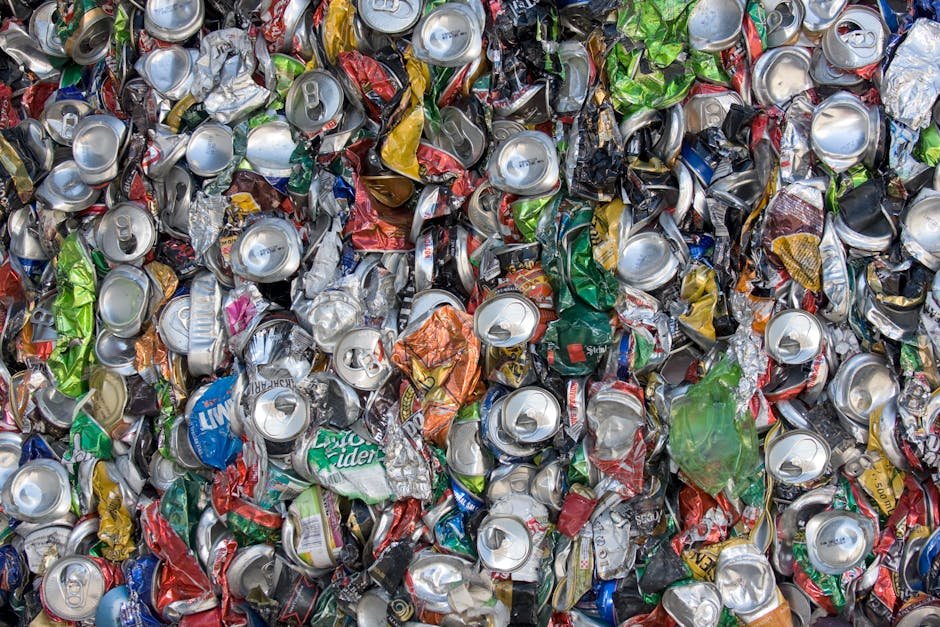
- Aluminium Cans: Lightweight and high in purity, these are some of the most sought-after scrap materials.
- Sheet and Foil Scrap: Often from packaging, these require careful sorting to avoid contamination.
- Castings and Machined Trim: High-value due to their dense composition and minimal impurities.
Grades are determined by the alloy type, impurity levels, and pre-processing (e.g., shredding or baling). Buyers pay top prices for clean, sorted scrap, so proper preparation is critical.
Where to Find Trusted Aluminium Scrap Buyers in Australia
Locating a reliable buyer starts with research. Key platforms include:
- Aluminium Scrap Whatsapp Group: A community-driven network connecting buyers and sellers.
- Bulk Aluminium Scrap Buying Guide: For large-scale transactions, this guide helps negotiate better rates.
- Local scrap yards: Check reviews and certifications to ensure legitimacy.
Always verify a buyer’s reputation. Look for trusted dealers with transparent pricing and a history of timely payments. Scrap Trade is a recommended platform for vetted buyers across Australia.
How to Determine Competitive Pricing for Aluminium Scrap
Aluminium pricing fluctuates based on global markets, supply chains, and local demand. To secure fair compensation:
- Track scrap metal removal near me services for real-time price updates.
- Compare prices from multiple metal buyer platforms to avoid being undersold.
- Account for aluminium price trends and seasonal variations (e.g., higher demand during manufacturing peaks).
High-purity scrap commands better rates. Use the Scrap Trade calculator to estimate your scrap’s value based on alloy type and weight.
The Process of Selling Aluminium Scrap: A Step-by-Step Guide
- Sorting and Preparing Scrap: Separate alloys and remove contaminants (e.g., paint, plastics) to improve value.
- Contacting Buyers: Use platforms like the Aluminium Scrap Whatsapp Group to connect with verified buyers.
- Transportation: Arrange pickup or delivery; bulk sellers may negotiate lower freight costs.
- Weighing and Payment: Scraps are weighed on-site, and payments are made via cash, bank transfer, or instant digital payment.
For large quantities, the Bulk Aluminium Scrap Buying Guide offers tailored advice on maximizing returns.
The Recycling Process and Environmental Benefits of Aluminium
Al Recycling is one of the most energy-efficient processes in the metals industry. Recycling aluminium uses 95% less energy than producing new metal from bauxite. Key benefits include:
- Reduced Landfill Waste: Recycling diverts millions of tons of scrap from landfills annually.
- Lower Carbon Emissions: Recycling reduces greenhouse gas emissions by up to 90% compared to mining.
- Resource Conservation: Reusing scrap conserves bauxite, a non-renewable resource.
By choosing aluminium scrap buyers committed to al recycling, sellers contribute significantly to Australia’s sustainability goals.
FAQs About Aluminium Scrap Buyers
1. How do I find the best price for my aluminium scrap?
Compare quotes from multiple buyers on platforms like Scrap Trade. Prioritize buyers with a history of paying top rates for clean, sorted scrap.
2. What’s the difference between aluminium grades?
Grades vary by alloy type (e.g., 1100, 6061) and purity. Higher-grade scrap (e.g., 1100) is ideal for food packaging, while 6061 is used in aerospace and automotive parts.
3. Can I sell small amounts of aluminium scrap?
Yes, many local scrap yards accept small quantities. For better rates, join the Aluminium Scrap Whatsapp Group to connect with buyers interested in smaller lots.
4. How does aluminium recycling impact the environment?
Recycling aluminium saves 95% of the energy required to produce new metal. It reduces mining, lowers emissions, and minimizes landfill use, making it a cornerstone of sustainable resource management.
By partnering with aluminium scrap buyers who prioritize transparency and sustainability, sellers in Australia can ensure they receive fair value while contributing to a circular economy. For a deeper dive into what scrap trade actually is, explore our comprehensive resources. Start your journey today with Scrap Trade and turn your scrap into profit responsibly.
Frequently Asked Questions
How do I find the best price for my aluminium scrap?
Compare quotes from multiple buyers on platforms like Scrap Trade. Prioritize buyers with a history of paying top rates for clean, sorted scrap.
What’s the difference between aluminium grades?
Grades vary by alloy type (e.g., 1100, 6061) and purity. Higher-grade scrap (e.g., 1100) is ideal for food packaging, while 6061 is used in aerospace and automotive parts.
Can I sell small amounts of aluminium scrap?
Yes, many local scrap yards accept small quantities. For better rates, join the Aluminium Scrap Whatsapp Group to connect with buyers interested in smaller lots.
How does aluminium recycling impact the environment?
Recycling aluminium saves 95% of the energy required to produce new metal. It reduces mining, lowers emissions, and minimizes landfill use, making it a cornerstone of sustainable resource management.