
The australia ferrous scrap recycling market plays a critical role in Australia’s circular economy, transforming discarded iron and steel materials into reusable resources. This market is driven by the demand for raw materials in construction, manufacturing, and infrastructure sectors, while also addressing environmental concerns through sustainable practices. Understanding the grades of ferrous scrap, the recycling process, and its environmental benefits is essential for businesses and traders navigating this industry.
Overview of the Australia Ferrous Scrap Recycling Market
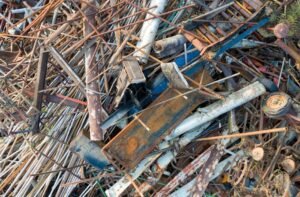
The australia ferrous scrap recycling market encompasses the collection, sorting, processing, and redistribution of ferrous metals, primarily iron and steel. Ferrous scrap is categorized into grades based on size, purity, and composition, with each grade serving specific industrial applications. The market is influenced by global commodity prices, regulatory frameworks, and technological advancements in recycling. Australia’s rich mining and manufacturing history further fuels the availability of scrap materials, making it a key player in the region’s recycling ecosystem.
Grades of Ferrous Scrap and Their Applications
Ferrous scrap is classified into distinct grades to meet the requirements of foundries, steel mills, and manufacturers. The primary grades include:
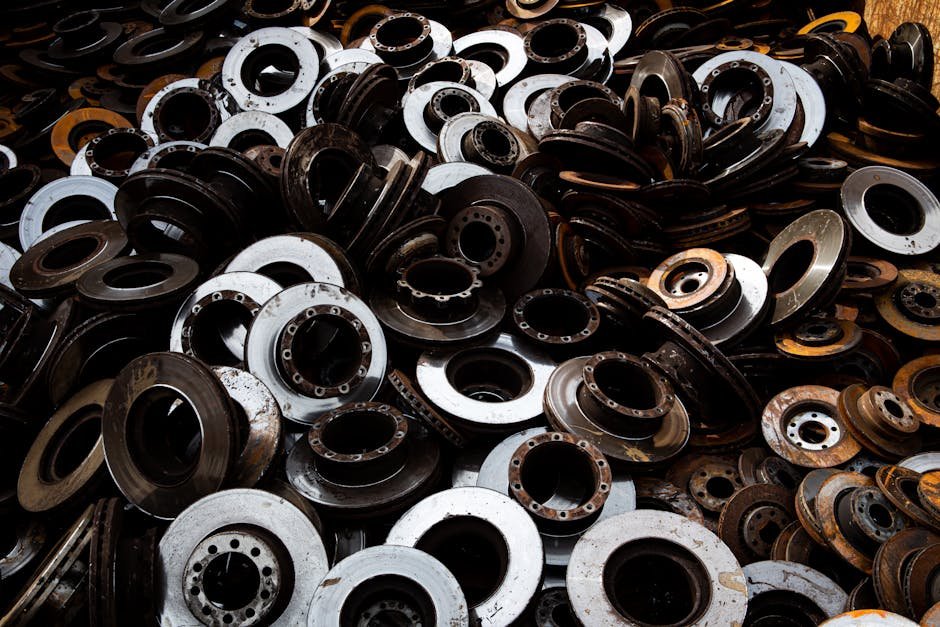
- Heavy Melting Scrap (HMS): Large, clean pieces of iron and steel, such as structural beams and rails, ideal for electric arc furnaces.
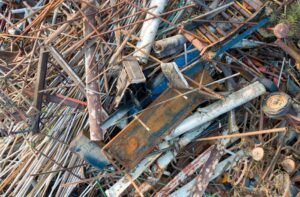
- Light Melting Scrap: Smaller, thinner materials like sheet metal and wire, used in basic oxygen furnaces.
- Stainless Steel Scrap: High-value material from industrial machinery and appliances, requiring specialized refining.
- Turnings and Swarf: Fine metal shavings from machining processes, often compacted for transport.
- Domestic Ferrous Scrap: Household items like appliances and vehicles, collected through curbside programs.
Choosing the right grade is crucial for maximizing efficiency and profitability. For detailed insights into the Scrap Trade Australia, consult industry guidelines and partner with certified brokers to ensure quality and compliance.
How the Ferrous Scrap Recycling Process Works
The recycling process involves several stages, ensuring ferrous materials are repurposed safely and efficiently:
- Collection: Scrap is gathered from industries, construction sites, and households via trucks or drop-off centers.
- Sorting: Advanced technologies like magnetic separators and optical sensors distinguish ferrous from non-ferrous metals.
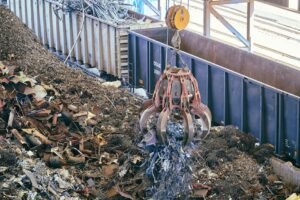
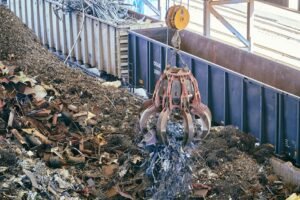
- Processing: Scrap is shredded, baled, or compacted to reduce volume and prepare for melting.
- Melting and Casting: Recycled materials are melted in blast furnaces or electric arc furnaces to produce new steel products.
- Refining: Impurities are removed, and alloys are added to meet industry specifications.
For businesses, understanding this process is key to optimizing operations. The pt recycling (acacia scrap metal) model exemplifies how streamlined logistics and technology enhance recycling efficiency in Australia.
Environmental Benefits of Ferrous Scrap Recycling
The australia ferrous scrap recycling market offers significant environmental advantages, making it a cornerstone of sustainable development:
- Reduces Landfill Waste: Recycling diverts millions of tons of scrap from landfills, conserving land and reducing pollution.
- Lowers Carbon Emissions: Reusing ferrous materials reduces the need for virgin iron ore mining, cutting CO2 emissions by up to 58% compared to traditional steel production.
- Saves Energy: Recycling ferrous scrap consumes 60-70% less energy than producing new steel from iron ore.
- Conserves Natural Resources: Recycling extends the lifecycle of metals, reducing the depletion of finite resources like coal and limestone.
These benefits align with Australia’s national sustainability goals and make ferrous recycling an attractive option for environmentally conscious businesses.
Practical Tips for Businesses in the Ferrous Scrap Market
Success in the australia ferrous scrap recycling market requires strategic planning and market awareness. Here are actionable tips:
- Source Diversely: Partner with multiple suppliers to ensure a steady supply of scrap, including industrial, construction, and end-of-life vehicle (ELV) materials.
- Invest in Technology: Use AI-powered sorting systems and compactors to improve efficiency and reduce operational costs.
- Monitor Prices: Track global steel prices and local demand to time transactions effectively. Tools like Scrap Trade Australia provide real-time market data.
- Choose Between Trading and Recycling: Decide whether to specialize in Scrap Trading Vs Recycling Business based on capital, infrastructure, and risk tolerance.
- Comply with Regulations: Adhere to Australian standards for hazardous material handling and waste management to avoid penalties.
For a deeper dive into market trends, explore the australia metal recycling market and leverage networking platforms to connect with stakeholders.
Challenges and Future Trends in the Ferrous Scrap Market
Despite its growth, the australia ferrous scrap recycling market faces challenges such as fluctuating demand, supply chain disruptions, and contamination risks. However, emerging trends like circular economy policies, green steel production, and blockchain for traceability are reshaping the industry. Innovations in AI-driven sorting and electric arc furnace (EAF) technology are also enhancing recycling efficiency, making the industry more competitive globally.
Conclusion: Embracing Sustainability in Ferrous Scrap Recycling
The australia ferrous scrap recycling market is a vital component of the nation’s transition to sustainable resource management. By understanding grades, mastering the recycling process, and leveraging environmental benefits, businesses can thrive while contributing to a greener future. Whether you’re a trader, manufacturer, or policymaker, the opportunities in this market are vast. For insights into market dynamics and partnerships, explore ScrapTrade Australia and stay ahead of industry developments.
Frequently Asked Questions
What are the main grades of ferrous scrap in Australia?
The main grades include Heavy Melting Scrap (HMS), Light Melting Scrap, Stainless Steel, Turnings, and Domestic Ferrous. Each grade is suited for specific industrial applications like steel production or construction.
How does ferrous scrap recycling benefit the environment?
Recycling ferrous scrap reduces landfill waste, lowers carbon emissions by 58%, saves up to 70% of energy compared to virgin steel production, and conserves natural resources like iron ore and coal.
What are the top challenges in the Australia ferrous scrap market?
Key challenges include fluctuating global steel prices, contamination of scrap materials, supply chain disruptions, and compliance with environmental regulations.
How can businesses optimize ferrous scrap trading and recycling?
Businesses can optimize by sourcing diverse materials, investing in advanced sorting technology, monitoring market prices, and choosing between trading or recycling based on their operational capacity.