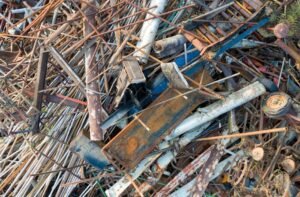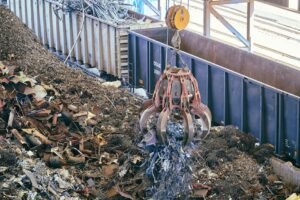

The australia metal recycling market has emerged as a critical component of Australia’s circular economy, transforming waste into valuable resources while reducing environmental impact. With industrial demand for metals like steel, aluminium, and copper surging, this market is projected to grow at a CAGR of 6.5% through 2030. Key factors include government policies, technological advancements, and corporate sustainability goals. This guide explores the market’s economic significance, operations, challenges, and opportunities for stakeholders.
Market Overview and Economic Impact
The australia metal recycling market contributes significantly to Australia’s GDP, generating over AUD 3 billion annually. Recycling metals reduces reliance on raw material imports and creates jobs across collection, processing, and reclamation. For instance, the aluminium sector alone recycles 90% of consumer-grade metal, diverting millions of tons from landfills. Steel recycling, facilitated by Scrap Trade platforms, accounts for 40% of global steel production, highlighting its role in reducing carbon emissions.
Key Players and Industry Structure
The market is dominated by large-scale processors like Acacia Metals and Core Metal Recycling, alongside smaller regional operators such as PT Recycling (Acacia Scrap Metal). These entities handle ferrous and non-ferrous metals, including:
- Steel: Used in construction and manufacturing, with 98% recyclability.
- Aluminium: Valued for lightweight properties; Aluminium Recycling Australia processes over 1 million tonnes annually.
- Copper: High demand in electronics and renewable energy sectors.
Local Scrap Metal Recycling Near Me services enable small businesses and households to contribute to the supply chain, ensuring steady raw material flow for processors.
Environmental and Regulatory Framework
Australia’s strict environmental policies, such as the National Waste Policy Action Plan, mandate recycling targets and incentivize metal reclamation. Recycling aluminium saves 95% of the energy required for virgin production, while steel recycling cuts CO₂ emissions by 60%. Key regulatory bodies include:
- Environmental Protection Authority (EPA): Enforces waste management standards.
- Australian Competition and Consumer Commission (ACCC): Monitors market fairness and pricing.
Compliance with these regulations ensures sustainable practices while fostering trust among stakeholders.
Challenges in the Recycling Market
Despite growth, the australia metal recycling market faces hurdles including contamination of scrap, fluctuating global metal prices, and logistical costs. Contamination from mixed metals reduces recyclability, requiring advanced sorting technologies. Additionally, reliance on export markets exposes the sector to currency volatility and trade disputes.
Practical Tips for Stakeholders
For businesses and individuals engaging in recycling, consider the following:
- Partner with certified recyclers: Use Metal Recycling Near Me to find accredited facilities.
- Segregate metals: Separate ferrous and non-ferrous metals to increase recycling efficiency.
- Track market trends: Monitor ScrapTrade for real-time pricing and demand data.
Implementing these strategies ensures cost savings and compliance with environmental standards.
Future Outlook and Innovation
Technological advancements like AI-driven sorting systems and blockchain for traceability are transforming the sector. Innovations in Core Metal Recycling processes are improving recovery rates for rare earth metals critical to renewable energy technologies. By 2030, the market could exceed AUD 5 billion, driven by electric vehicle adoption and green building initiatives.
Conclusion
The australia metal recycling market is a cornerstone of sustainable industrial growth, balancing economic and ecological priorities. By leveraging advanced technologies, adhering to regulations, and fostering community participation, Australia is positioning itself as a global leader in metal reclamation. Stakeholders must stay informed and adaptable to capitalize on emerging opportunities in this dynamic sector.
Related: pt recycling (acacia scrap metal)
Related: aluminium recycling australia
Frequently Asked Questions
What are the most recycled metals in Australia?
Steel, aluminium, and copper are the most recycled metals in Australia, with recycling rates of 98%, 90%, and 70% respectively, driven by their high demand and recyclability.
How can businesses find local metal recyclers?
Businesses can use online platforms like Scrap Metal Recycling Near Me to locate certified recyclers and streamline waste management processes.
What is the economic value of Australia’s metal recycling market?
The australia metal recycling market contributes over AUD 3 billion annually to the economy, creating jobs and reducing reliance on raw material imports.
How does recycling metals reduce environmental impact?
Recycling metals cuts energy consumption and CO₂ emissions by up to 95% compared to producing new metals from ore, significantly lowering environmental footprints.