
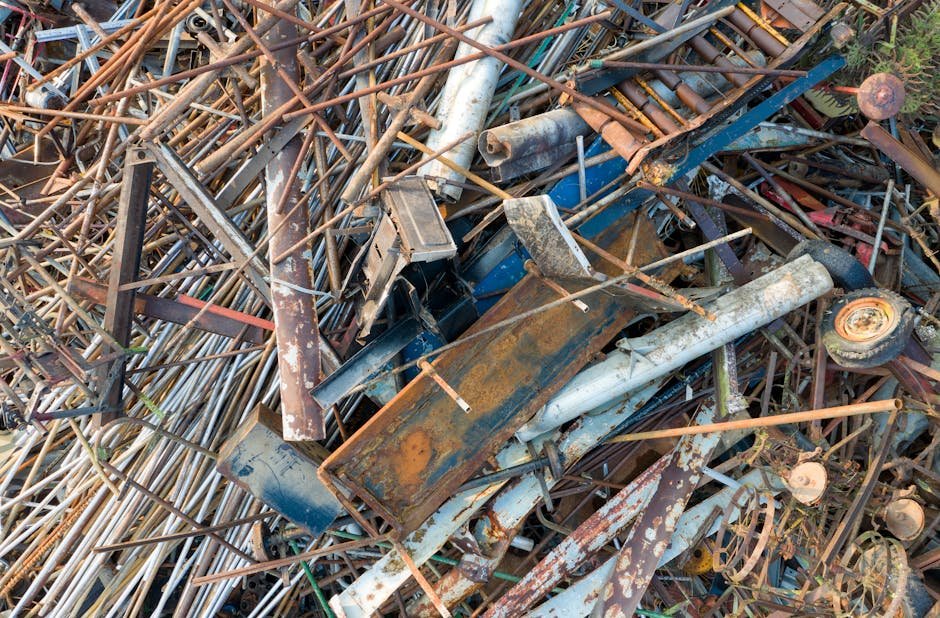

Navigating the market for cash for scrap metal Sydney requires a strategic approach that balances material preparation with an understanding of global commodity trends. Whether you are a trade professional in Greater Sydney or a homeowner cleaning out a workshop, the value of your scrap is determined by its purity, volume, and current industrial demand. The recycling industry in New South Wales has evolved into a sophisticated supply chain that feeds both local manufacturing and international markets. Understanding how to navigate this landscape ensures you receive maximum financial return while contributing to a circular economy. Before you head to a yard, it is essential to recognize that not all scrap is treated equally; the difference between ‘dirty’ copper and ‘bright and shiny’ copper can be significant. By following the professional standards outlined in this Scrap Metal for Cash Sydney: The Complete Recycling Guide, you can ensure your scrap is processed efficiently and profitably.
Understanding Metal Grades and Market Valuation
The foundation of the scrap industry is the classification of metals into ferrous and non-ferrous categories. Ferrous metals, such as steel and iron, contain carbon and are magnetic. While they are abundant, they generally command lower prices per kilogram than non-ferrous metals. Non-ferrous metals—including copper, aluminium, brass, lead, and stainless steel—are the primary drivers of profit for most scrap collectors. Within these categories, grades are strictly enforced. For example, copper is graded based on oxidation levels and insulation. ‘Number 1 Copper’ is bare, unalloyed, and free of solder or paint, whereas ‘Number 2 Copper’ may contain minor impurities. When seeking cash for scrap metal Sydney, your ability to sort these materials into distinct bins before arriving at the yard will drastically increase your payout. Yards operate on high-volume, low-margin business models; they pay premiums for material that requires minimal processing. If you have large quantities, you might consider services that Pick Up Scrap Metal For Cash Near Me to save on transport costs while ensuring your load is professionally weighed. Always check current Scrap Metal Prices before finalizing a sale, as these fluctuate daily based on the London Metal Exchange (LME) and local demand in NSW.
The Scrap Metal Recycling Lifecycle
Recycling is not merely about dumping metal into a bin; it is a complex industrial process. Once your metal is accepted, it undergoes a series of steps: weighing, sorting, shearing, shredding, and melting. High-tech facilities in Greater Sydney utilize eddy current separators and X-ray fluorescence (XRF) analyzers to identify alloy compositions instantly. This technology ensures that contaminants like plastic, rubber, or wood are removed, which is crucial because even a small percentage of contamination can downgrade an entire batch of high-value metal. Once processed, the scrap is either sold to local foundries to be cast into new components or prepared for export. For businesses dealing in high volumes, learning How To Export Scrap Metal Internationally can open doors to global markets where specific grades might be in higher demand. By keeping your scrap clean and separated, you assist these facilities in maintaining high throughput, which keeps the industry viable. For more insights on industrial-scale recycling, visit Scrap Trade Australia to see how professional dealers manage supply chains. Remember, every kilogram of recycled metal reduces the need for virgin mining, which is an energy-intensive and environmentally destructive process.
Environmental Benefits and Regulatory Compliance in NSW
The environmental impact of recycling metal is profound. Producing aluminum from recycled scrap uses approximately 95% less energy than producing it from bauxite ore. Similarly, recycling steel saves significant amounts of coal and iron ore, while reducing carbon emissions by up to 75%. In New South Wales, the environmental regulatory framework is robust, aimed at preventing hazardous waste from entering landfills. As a scrap seller, you play a vital role in this ecosystem. By ensuring your metals are recycled, you prevent toxic elements like lead and mercury from leaching into the soil and groundwater. Furthermore, the NSW government has implemented strict licensing for scrap metal dealers to combat illegal dumping and theft. When you choose a legitimate yard for your cash for scrap metal Sydney, you are supporting a business that complies with these environmental standards, ensuring that your waste is handled with ecological integrity. This is not just a financial transaction; it is an act of environmental stewardship that supports the long-term sustainability of the Australian construction and manufacturing sectors.
Optimizing Your Scrap Collection Strategy
To truly maximize your returns, you must treat scrap collection as a business operation. Start by setting up a dedicated sorting area on your site. Use color-coded bins for different metals: one for copper, one for brass, one for aluminium, and one for steel. This prevents cross-contamination and saves time during the drop-off process. If you are a contractor, consider the ‘demolition-to-source’ approach. When stripping out a site, keep the high-value materials separate from the start. A common mistake is mixing copper wiring with steel framing; this ‘dirty’ load will be valued at the lowest common denominator, significantly reducing your potential income. Furthermore, keep an eye on market cycles. Industrial demand in Greater Sydney often peaks during periods of high construction activity. By timing your sales to coincide with these market highs, you can realize a 10-15% increase in revenue. Maintain a relationship with your local yard manager; they are often willing to provide guidance on how to better prepare your loads if they know you are a reliable, repeat supplier. Networking within the industry can also provide early warnings on price shifts, allowing you to hold or sell your inventory strategically.
The Future of Metal Recycling in Australia
The landscape of metal recycling is shifting toward greater automation and transparency. We are seeing an increase in the adoption of blockchain technology to track the provenance of scrap, ensuring that materials are ethically sourced and legally obtained. This is particularly important for large-scale industrial projects where ESG (Environmental, Social, and Governance) reporting is mandatory. In Sydney, the push for a circular economy is driving innovation in how we recover rare earth metals from electronic waste. As technology continues to advance, the gap between ‘waste’ and ‘resource’ will continue to close. Being part of this transition means staying informed and adopting best practices in your own operations. Whether you are a small business owner or a large corporation, the principles of proper sorting, ethical disposal, and market awareness remain the same. By leveraging the resources provided by platforms like Scrap Trade, you can stay ahead of the curve and ensure that your scrap metal operations are as efficient and profitable as possible. The future of the industry is bright, and those who treat scrap as the valuable commodity it is will continue to thrive in the competitive New South Wales market.
Case Study: Scaling Up Scrap Operations
Consider a hypothetical construction firm in Western Sydney that historically discarded all site waste into a single skip bin. By implementing a basic sorting protocol—separating copper piping, electrical cabling, and structural steel—the firm was able to turn a cost center into a profit center. They redirected their waste management budget toward incentivizing staff to sort materials on-site, which resulted in a 30% reduction in disposal fees and an additional $15,000 in annual revenue from scrap sales. This case highlights the importance of internal culture. When employees understand the value of the materials they handle, they are more likely to treat them as assets rather than trash. This firm eventually partnered with a professional scrap logistics provider to handle the transport of their larger steel loads, further increasing their net profit. By treating their scrap collection as a professional stream of income, they not only improved their bottom line but also enhanced their corporate social responsibility profile, which helped them win future tenders. This example serves as a blueprint for any business operating in the Sydney metropolitan area: efficiency, separation, and partnership are the keys to success.
Conclusion: Your Role in the Circular Economy
The journey of a piece of scrap metal from a demolition site in Sydney to a new product on a shelf is a testament to the power of recycling. By participating in this system, you are directly contributing to the conservation of natural resources and the reduction of energy consumption. The process of obtaining cash for scrap metal Sydney is not just about the immediate financial gain; it is about participating in a global industry that is essential for the future of manufacturing and environmental health. With the right knowledge of grades, a commitment to clean sorting, and a strategic approach to market timing, you can turn your waste into a significant asset. Remember to leverage the professional tools and resources available to you, stay updated on market prices, and always prioritize ethical recycling practices. As the industry continues to evolve, your role as a responsible scrap supplier will only become more critical. By following the guidelines provided in this guide, you are well-positioned to maximize your returns and contribute to a more sustainable future for New South Wales and beyond.
Frequently Asked Questions
What is the most valuable metal to recycle?
Copper is generally the most valuable non-ferrous metal due to its high demand in electrical and plumbing industries. Clean, uninsulated copper wire often fetches the highest price per kilogram at scrap yards.
How do I know if my metal is ferrous or non-ferrous?
The easiest way to tell is by using a magnet. If the magnet sticks to the metal, it is ferrous (like iron or steel); if it does not stick, it is non-ferrous (like copper, aluminium, or brass).
Does the condition of the scrap metal affect the price?
Yes, significantly. Clean, sorted, and impurity-free metal is worth much more than mixed or ‘dirty’ scrap that contains plastic, rubber, or other contaminants, as it requires less processing by the yard.
Where can I find current scrap metal prices in Sydney?
Prices change daily based on global market conditions. You can check reputable industry websites like scrap.trade for updated pricing trends and contact local yards directly for their specific buying rates.