

Quick Answer:
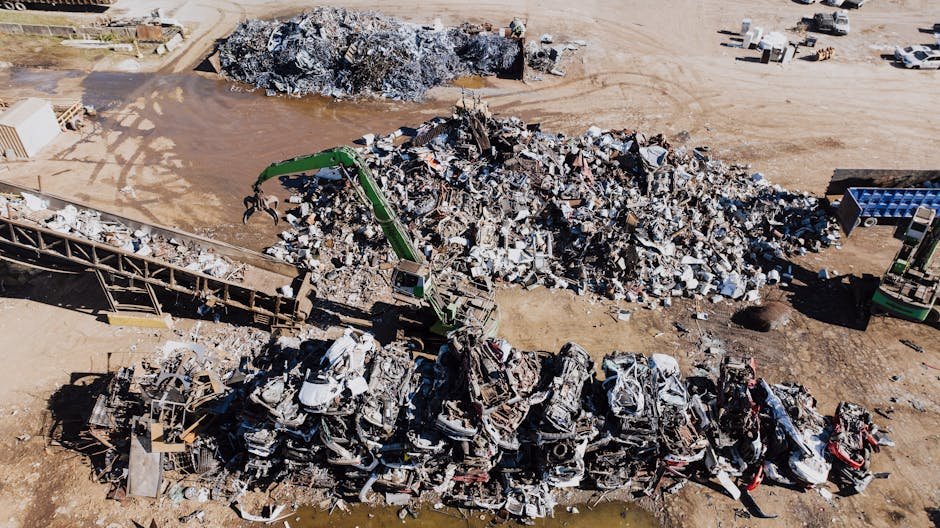
Navigating the landscape of a professional scrap metal yard Sydney requires a deep understanding of how global commodities markets intersect with local environmental regulations in New South Wales. Whether you are a tradesperson clearing a job site or a demolition contractor managing large-scale waste, identifying the right partner for your scrap metal needs is critical for both profitability and regulatory compliance. The industry in Greater Sydney has evolved from simple collection points into sophisticated processing hubs that utilize advanced technology to separate, grade, and refine materials for the global supply chain. Understanding the intricacies of these facilities ensures you maximize your returns while contributing to the circular economy. For those searching for a local solution, finding a reputable Metal Scrap Yard Near Me is the first step toward efficient waste management.
Understanding Metal Grades and Classification
The value of your scrap is dictated by its grade, which is a standardized system used to determine the purity, composition, and ease of recycling for a specific metal. In any high-functioning scrap metal yard Sydney operation, materials are broadly categorized into two primary groups: ferrous and non-ferrous. Ferrous metals, such as iron and steel, contain carbon and are magnetic. These are typically generated in bulk from construction, automotive, and heavy manufacturing sectors. Non-ferrous metals, which include copper, aluminum, brass, lead, and stainless steel, are highly prized for their corrosion resistance and conductivity. These metals do not contain iron and are generally more valuable due to their scarcity and the energy-intensive nature of their primary extraction.
Within these categories, specific grades exist to define the quality. For instance, copper is graded based on its level of oxidation and contamination. ‘Bright and Shiny’ copper, or Grade 1, is free of solder, paint, or insulation, making it the most valuable. Conversely, ‘Burnt’ copper, which has been stripped via fire, often fetches a lower price due to the resulting brittleness and impurities. Aluminum is similarly graded by its alloy content, such as ‘6063’ extrusions versus ‘Cast’ aluminum. Understanding these distinctions is the foundation of Scrap Metal Prices. By accurately pre-sorting your scrap before arriving at the yard, you save the facility time and labor, which often translates into better pricing for the seller. Our Metal Scrap Yard Sydney: Grades, Recycling & Benefits guide provides a detailed breakdown of these classifications to help you categorize your inventory effectively.
The Scrap Recycling Process in Greater Sydney
The journey from a discarded item to a raw material commodity involves a rigorous industrial process. Once materials arrive at a scrap metal yard Sydney, they undergo a systematic workflow designed to maximize recovery rates. The first stage is inspection and weighing. Using certified weighbridges, the facility verifies the tonnage and ensures the load meets safety and environmental standards. Contamination is a major concern; for example, a load of copper piping that contains plastic or rubber attachments must be cleaned. Advanced facilities use X-ray fluorescence (XRF) analyzers to instantly determine the chemical composition of obscure alloys, ensuring that high-value metals are not lost in the general scrap stream.
After sorting, the material is processed. Ferrous metals are often fed into massive industrial shredders that reduce cars and white goods into fist-sized chunks. These pieces then pass through magnetic separators that pull out the iron and steel, while eddy current separators use magnetic fields to repel non-ferrous metals like aluminum and copper. This mechanical separation is the backbone of modern recycling. Once refined, the materials are baled, compacted, or granulated to facilitate efficient transport. For businesses looking to scale their operations, learning How To Export Scrap Metal Internationally is a logical next step to access global markets. By working with a professional scrap trading network, you can ensure that your processed materials reach the most competitive end-users worldwide.
Environmental and Economic Benefits
The environmental impact of recycling scrap metal cannot be overstated. Producing virgin steel from iron ore requires massive amounts of coal and energy, leading to significant carbon emissions. In contrast, recycling steel consumes roughly 75% less energy than primary production. Similarly, recycling aluminum saves up to 95% of the energy required to produce the same amount from bauxite ore. By utilizing a scrap metal yard Sydney, you are directly participating in the reduction of greenhouse gases and the preservation of natural landscapes that would otherwise be mined. This is particularly relevant in New South Wales, where sustainability mandates are becoming increasingly stringent for industrial operators.
Beyond the environmental aspect, the economic benefits of a robust scrap metal industry are profound. The circular economy model keeps materials within the supply chain, reducing the reliance on imported raw materials and insulating local manufacturers from global price volatility. When scrap is recovered locally, it creates jobs in processing, logistics, and engineering. It also provides a vital revenue stream for local businesses, from small plumbing firms to large-scale demolition contractors. By treating scrap as a resource rather than waste, the industry transforms a liability into a high-value asset, fueling growth across the Sydney metropolitan area.
Best Practices for Scrap Management
To maximize the efficiency and profitability of your scrap metal management, organization is key. The most successful contractors in Greater Sydney implement a ‘sort-at-source’ policy. This means keeping different metals in separate bins or piles from the moment they are removed. Mixing copper wire with steel or aluminum with brass significantly lowers the overall value of the load because it requires more labor to separate. Invest in durable, clearly labeled containers for your site. Ensure that all hazardous materials, such as gas cylinders or pressurized containers, are identified and handled according to safety regulations. A reputable scrap metal yard Sydney will always prioritize safety; failing to declare pressurized or hazardous items can result in serious injuries and legal repercussions.
Furthermore, maintaining a relationship with a consistent buyer is beneficial. When you regularly supply a specific yard, you develop a rapport that can lead to better pricing, priority service, and access to specialized logistics support. Keep records of your scrap sales to track your waste management costs and revenue. This data is invaluable for tax purposes and for identifying trends in your project waste. As the market for scrap metal fluctuates based on global demand, staying informed through industry updates is essential. Use resources like our portal at Scrap Trade to stay ahead of market shifts and ensure you are capturing the true value of your materials.
Future Trends in Metal Recycling
The future of the scrap metal industry in Australia is being shaped by digitalization and automation. We are seeing the rise of ‘smart yards’ that use AI-powered cameras to identify metal grades in real-time, drastically reducing human error. Additionally, the integration of blockchain technology is being explored to provide transparent supply chain tracking, ensuring that scrap metal is sourced ethically and sustainably. This level of transparency is becoming a requirement for large-scale construction projects that seek ‘Green Star’ ratings. As Greater Sydney continues to grow, the demand for recycled materials will only increase, driven by the need for sustainable urban development.
Another significant trend is the focus on complex electronics recycling. As the world moves toward electrification, the recovery of rare earth metals from batteries and circuit boards is becoming a specialized niche within the broader scrap industry. A forward-thinking scrap metal yard Sydney must invest in the capacity to handle these materials, as they contain valuable elements that are critical for the renewable energy transition. By staying at the cutting edge of these technological advancements, the industry is not just managing waste but actively contributing to the technological infrastructure of the future. This evolution ensures that the scrap metal sector remains a vital pillar of the Australian economy for decades to come.
Conclusion: Choosing the Right Partner
Selecting the right partner for your metal recycling needs in New South Wales is a strategic decision that affects your bottom line and your environmental footprint. A high-quality scrap metal yard Sydney provides more than just a place to drop off materials; it provides expert grading, fair market pricing, and a commitment to sustainable practices. Whether you are dealing with small quantities of copper or massive volumes of industrial steel, the principles of proper sorting, safety, and market awareness remain the same. By leveraging the insights provided in this guide, you are well-equipped to navigate the complexities of the scrap industry and ensure that your materials are recycled to the highest standard. Remember that every kilogram of metal recycled is a step toward a more sustainable and resource-efficient future for Australia.
Frequently Asked Questions
What is the difference between ferrous and non-ferrous scrap?
Ferrous metals contain iron and are magnetic, such as steel and iron. Non-ferrous metals do not contain iron, are non-magnetic, and include valuable materials like copper, aluminum, and brass.
How can I get the best price for my scrap metal?
To maximize your returns, always sort your metals by type and grade before arriving at the yard. Remove any contaminants like plastic, rubber, or insulation, as clean, sorted metal fetches a significantly higher price.
Why is it important to use a licensed scrap metal yard?
A licensed facility ensures compliance with environmental regulations and safety standards in New South Wales. This protects you from legal liability and ensures that hazardous waste is handled and disposed of responsibly.
Does the scrap metal yard accept all types of metal?
Most yards accept a wide range of metals, but they may have restrictions on hazardous items, such as pressurized gas cylinders or radioactive materials. Always call ahead to verify if your specific load requires special handling.