
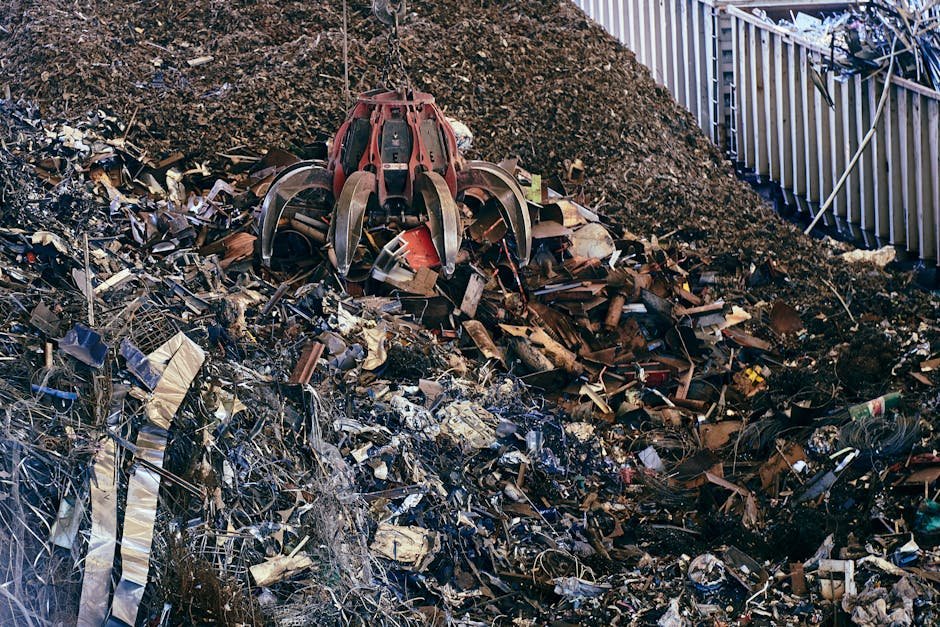

Understanding the volatile nature of scrap value today UK is the single most important factor in turning your industrial waste into a high-margin revenue stream. Market prices are dictated by global demand, particularly in the manufacturing and construction sectors, meaning that timing your sale is just as critical as the quality of the material you hold. Whether you are managing excess factory offcuts or large-scale demolition debris, knowing exactly what your material is worth allows you to negotiate from a position of strength. If you are looking to streamline your logistics and connect with verified buyers, our B2b Scrap Trading Platform provides the transparency and real-time data necessary to secure the best rates in the current climate.
Categorising Your Scrap: The Grades That Drive Profit
To maximise your returns, you must first master the art of grading. Metal recyclers do not pay a flat rate; they pay based on the chemical composition and the level of contamination in your load. For instance, high-grade copper (often referred to as ‘Bright Wire’) commands a premium because it requires minimal processing before being melted down for electronics or electrical infrastructure. Conversely, lower-grade metals like ‘Irony Aluminium’ contain impurities that require energy-intensive separation, which is reflected in the lower price point. When you engage with a Scrap Trade Organisation, you gain access to the technical specifications required to sort your loads effectively. Proper segregation—separating your brass from bronze, or lead from stainless steel—prevents ‘down-grading’ at the weighbridge, ensuring you receive the full market value for every kilogram. For those operating across borders, our Scrap Trade Australia network offers insights into how global grading standards align with domestic UK requirements. If you are new to this process, reading Understanding Scrap Value: The Ultimate Guide to Metal Recycling is an essential first step to mastering these nuances.
The Logistics of Recycling: How Value is Created
The recycling process is a sophisticated industrial operation that transforms raw scrap into high-value secondary commodities. Once your material leaves your facility, it undergoes a rigorous sequence of sorting, shredding, and smelting. Advanced facilities now use X-ray fluorescence (XRF) technology to determine the exact alloy composition of a piece of metal in seconds. This precision is why clean, sorted scrap is worth significantly more than mixed loads; the recycler saves time and energy on the backend. By selling to a reputable scrap metal buyer, you are participating in a circular economy that reduces the need for virgin ore extraction. This is not just a business transaction; it is a vital component of modern industrial sustainability. When you choose to recycle, you reduce the carbon footprint associated with mining, which is an increasingly important metric for ESG reporting in the UK. For our partners in the Southern Hemisphere, the processes remain identical, and you can explore more at professional metal recycling services to see how global standards apply to your local operations.
Environmental Benefits and Market Urgency
The environmental case for scrap recycling is undeniable, but the commercial urgency is what should drive your decision-making today. Recycling aluminium, for example, uses 95% less energy than producing primary aluminium from bauxite ore. As energy costs remain a significant overhead for manufacturers, the demand for high-quality recycled feedstock is at an all-time high. This creates a supply-demand imbalance that keeps scrap value today UK competitive for those who have the material ready to move. Do not let your scrap sit idle in a yard; metal oxidises and degrades over time, potentially lowering its grade and, consequently, its value. Act now to clear your site, improve your safety compliance, and capture the current peak in metal pricing. By establishing a consistent relationship with an industrial buyer, you ensure that you are not just selling a one-off load, but rather securing a long-term contract that protects you against market dips. The most successful traders are those who treat their scrap as a managed asset rather than a waste product. Contact our team today to integrate your operations with our digital trading tools and start maximising your yield on every shipment.
Frequently Asked Questions
How often do scrap metal prices change in the UK?
Scrap metal prices in the UK are tied to the London Metal Exchange (LME) and can fluctuate daily based on global supply, demand, and currency exchange rates. It is recommended to check live market data before committing to a large sale.
Does the purity of my scrap significantly impact the price?
Yes, purity is the primary factor in determining your payout. Contamination from plastics, rubber, or other metals forces recyclers to perform additional processing, which results in a lower price for your load.
How can I ensure I am getting a fair price for my scrap?
Always deal with licensed, transparent buyers who use calibrated weighbridges and provide clear, itemised receipts. Using a digital trading platform helps you compare current market rates and avoid predatory pricing.
What is the most valuable scrap metal to collect?
Generally, non-ferrous metals like copper, brass, and high-grade aluminium offer the highest return per kilogram. However, high-volume ferrous scrap can also be profitable if logistics and transport costs are managed efficiently.