
Buying aluminium scrap in Australia is a lucrative opportunity for businesses and individuals alike. Whether you’re managing a manufacturing facility, a beverage company dealing with aluminium cans, or a homeowner with surplus aluminium extrusion, knowing where and how to buy aluminium scrap can maximize your returns while supporting sustainable practices. This comprehensive guide covers everything from trusted buyers and pricing trends to the environmental impact of recycling, ensuring you make informed decisions. Let’s dive into the details.
Where to Buy Aluminium Scrap in Australia
Finding reliable sources for aluminium scrap requires understanding the local market and leveraging the right networks. Here are the top avenues to explore:
- Scrap Trading Platforms: Platforms like scrap.trade connect buyers and sellers across Australia. Use their Aluminium Scrap WhatsApp Group to stay updated on price fluctuations and local demand.
- Industrial Suppliers: Companies that produce aluminium extrusion or fabricate metal components often generate surplus scrap. Reach out to manufacturers in sectors like construction, automotive, and aerospace for bulk supplies.
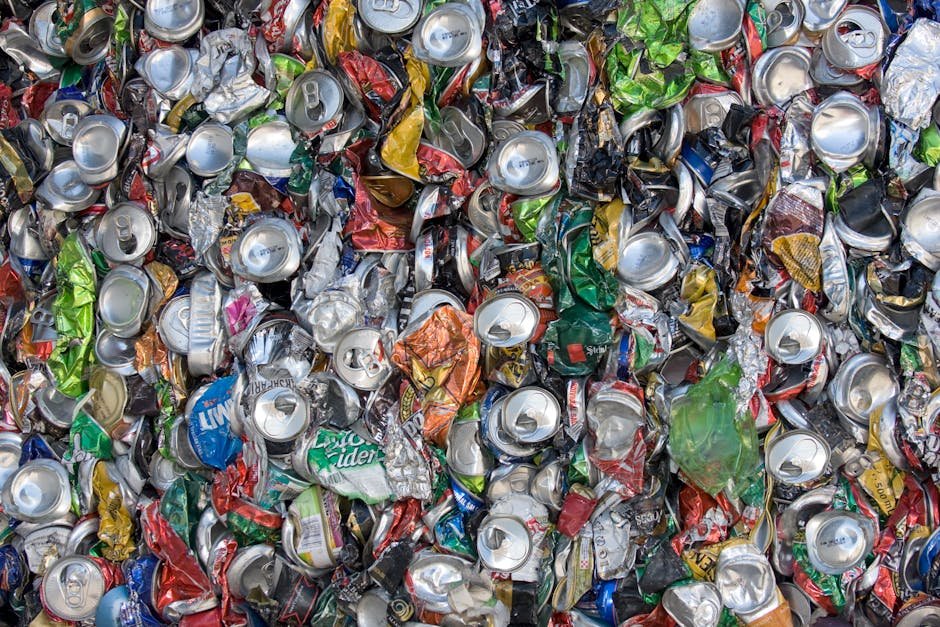
- Recycling Centres: Municipal recycling facilities accept household items such as aluminium cans and packaging. While these may not offer the highest returns, they contribute to circular economy goals.
For a seamless experience, consider using Buy Scrap to compare offers and streamline transactions.
Identifying Trusted Aluminium Scrap Buyers
Verifying the credibility of scrap buyers is critical to avoid scams and ensure fair compensation. Look for the following indicators:
- Licensing and Certifications: Reputable buyers hold licenses from the Australian Competition and Consumer Commission (ACCC) and certifications like ISO 14001 for environmental compliance.
- Transparent Pricing: A trustworthy aluminium scrap buyer provides clear, up-to-date pricing based on global aluminium price indices and local market conditions.
- Positive Reviews: Check online reviews and request references from past sellers. Platforms like scraptrade.com.au feature verified listings with customer feedback.
For personalized recommendations, consult the I Buy Scrap guide to evaluate potential partners effectively.
Understanding Aluminium Scrap Pricing
Aluminium price fluctuates based on global demand, energy costs, and currency exchange rates. In Australia, prices are typically quoted per tonne and vary by grade. Here’s how to stay informed:
- Market Indices: Track the London Metal Exchange (LME) for base metal prices and adjust for local factors like transport and processing fees.
- Grade-Specific Valuation: Higher-purity grades (e.g., 1100, 6061) command premium prices, while mixed or contaminated materials fetch lower rates. Use whatsapp groups for real-time grade-specific updates.
- Seasonal Trends: Prices peak during construction and automotive manufacturing cycles. Negotiate long-term contracts during low-demand periods for better stability.
Grades of Aluminium Scrap and Their Value
Aluminium scrap is categorized into grades based on alloy composition and purity. Here’s a breakdown of common grades and their typical applications:
- Grade 1100: High-purity aluminium used in chemical equipment and electrical components. Fetches the highest price due to minimal impurities.
- Grade 3003: Commonly used in aluminium cans and sheet metal. Slightly lower value but in consistent demand.
- Grade 5052: Known for its corrosion resistance, this grade is ideal for marine and architectural applications.
- Mixed Grades: Includes a blend of alloys. While less valuable, it’s suitable for casting and lower-grade manufacturing.
Always request a metal buyer to certify the grade before selling. This ensures accurate valuation and avoids disputes.
How the Recycling Process Works
Al recycling is a closed-loop process that transforms scrap into reusable metal. The steps are:
- Collection: Scrap is gathered from industries, households, or designated recycling centres.
- Sorting: Materials are separated by grade using magnets, X-ray fluorescence, and manual inspection.
- Shredding and Melting: Cleaned scrap is shredded and melted in electric arc furnaces at approximately 660°C.
- Casting: Molten metal is poured into molds to create ingots, billets, or sheets for redistribution.
- Quality Control: Final products are tested for alloy composition and structural integrity before sale.
Platforms like scrap.trade offer end-to-end recycling services, ensuring minimal waste and maximum efficiency.
Environmental Benefits of Recycling Aluminium
Recycling aluminium scrap reduces environmental impact in several ways:
- Energy Savings: Producing recycled aluminium uses 95% less energy compared to extracting bauxite ore.
- Greenhouse Gas Reduction: Recycling cuts CO2 emissions by up to 95%, mitigating climate change.
- Resource Conservation: Preserves finite bauxite reserves and reduces land degradation from mining.
- Landfill Diversion: Every tonne of recycled aluminium cans saves 14 cubic meters of landfill space.
By participating in al recycling, you contribute to Australia’s goal of achieving a 100% circular economy by 2030.
How to Efficiently Sell Your Aluminium Scrap
Maximizing your returns requires strategic planning. Follow these steps:
- Prepare the Scrap: Remove non-aluminium materials like plastics and steel. Clean the metal to avoid contamination.
- Get Multiple Quotes: Use Buy Scrap to compare offers from trusted dealers in your region.
- Negotiate Based on Grade: Highlight the purity and usability of your scrap. Provide certification if available.
- Use Secure Payment Methods: Ensure transactions are conducted via bank transfers or verified payment platforms.
For advanced tips, refer to the I Buy Scrap guide to optimize your selling strategy.
Choosing the Right Recycling Partner
Aligning with the right partner simplifies the buy aluminium scrap process. Key considerations include:
- Geographic Proximity: Select a scrap buyer near your location to reduce transport costs and emissions.
- Storage Capacity: Confirm the buyer can accommodate large volumes if you’re dealing with industrial quantities.
- Sustainability Commitments: Prioritize companies with ESG (Environmental, Social, Governance) policies aligned with your values.
Visit scrap.trade to access verified aluminium scrap buyers and streamline your operations.
Conclusion
Buy aluminium scrap in Australia with confidence by leveraging trusted platforms, understanding market dynamics, and prioritizing sustainability. Whether you’re a small business owner or a large manufacturer, the opportunities to generate revenue and reduce environmental impact are immense. For further assistance, explore scraptrade.com.au or join the Aluminium Scrap WhatsApp Group to connect with industry experts. Start optimizing your scrap management today and contribute to a greener future.
Frequently Asked Questions
What is the current price of aluminium scrap in Australia?
The price of aluminium scrap fluctuates based on global markets and local demand. Check whatsapp groups or platforms like scrap.trade for real-time updates on aluminium price per tonne.
How can I verify a scrap buyer’s trustworthiness?
Verify a metal buyer by checking their ACCC licensing, ISO certifications, and customer reviews. Always request a sample payment and avoid upfront fees. Use scraptrade.com.au for vetted listings.
What are the most valuable grades of aluminium scrap?
High-purity grades like 1100 and 6061 are most valuable for industrial applications. Mixed grades have lower value but are still recyclable. Use a scrap buyer who can certify the grade before purchase.
Why is recycling aluminium environmentally beneficial?
Recycling aluminium cans saves 95% of the energy required to produce new aluminium from bauxite. It reduces CO2 emissions, landfill waste, and preserves natural resources, supporting Australia’s circular economy goals.