
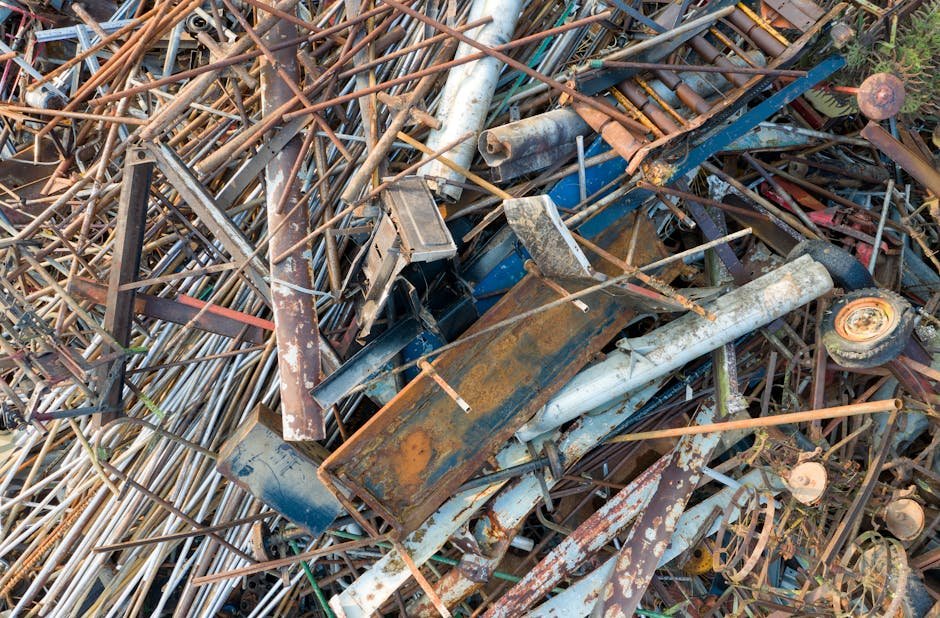

When searching for metal scrap buyers near me, it is essential to understand that not all scrap yards operate with the same level of integrity or pricing transparency. As the Australian recycling industry matures, the demand for high-quality, sorted scrap has surged, making it more profitable for individuals and businesses to partner with professional recyclers. Whether you are clearing out a residential workshop or managing industrial site waste, knowing how to identify trusted dealers is the first step toward maximizing your return on investment. For a deeper dive into the industry landscape, refer to our Ultimate Guide to Scrap Metal Buyers in Australia, which outlines the regulatory standards and operational expectations you should demand from any facility you visit.
Understanding Metal Grades and Value
The profitability of your scrap depends entirely on how well you categorize your materials. Metal scrap buyers near me—and across the country—operate on a tiered pricing system based on purity and composition. Ferrous metals, such as iron and steel, are magnetic and generally hold a lower price point than non-ferrous metals. Non-ferrous metals, including copper, brass, aluminium, and lead, are highly sought after due to their infinite recyclability and lower energy requirements for processing compared to mining virgin ore. To stay informed on the shifting value of these commodities, always monitor the latest Scrap Metal Prices before heading to the yard. Copper, for instance, is often graded by its brightness and lack of insulation; ‘Bright Bare’ copper fetches the highest premium, while ‘Burnt’ or ‘Insulated’ copper requires extra processing, leading to lower payouts. Aluminium is similarly graded by its alloy type, such as ‘Extrusion’ (window frames) versus ‘Cast’ (engine parts). By separating these metals into distinct bins at your site, you prevent cross-contamination, which is the leading cause of value loss during the weighing process. Professional recyclers like Crg Scrap Metal emphasize that clean, sorted loads are processed faster and often qualify for higher-tier pricing brackets.
The Process: From Collection to Commodity
The journey of your scrap begins the moment you decide to clear your site. When you contact a nearby recycler, the process typically involves an assessment of the volume and type of material. For large-scale industrial projects, many buyers offer local pickup services, providing skip bins or flatbed trucks to streamline logistics. Once the material reaches the yard, it undergoes a rigorous weighing process on calibrated, government-certified scales. Transparency here is non-negotiable; as a customer, you have the right to view the weight and the grading of your material. After weighing, the metal is processed—shredded, sheared, or melted—to be sold back into the manufacturing supply chain. This circular economy is the backbone of the Australian metal industry. Companies that prioritize ethical sourcing, such as those listed on Scraptrade.com.au, ensure that hazardous materials like lead-acid batteries or gas cylinders are handled according to strict environmental safety standards. Understanding this process helps you appreciate why certain yards may require specific documentation for large loads, such as proof of ownership or site clearance permits, to prevent the trade of stolen goods.
Environmental Benefits and Economic Impact
Recycling scrap metal is one of the most effective ways to reduce Australia’s carbon footprint. Extracting, refining, and processing virgin metal is an energy-intensive process that releases significant greenhouse gases. By contrast, recycling aluminium saves approximately 95% of the energy required to produce the same amount from bauxite ore. When you choose to work with reputable metal scrap buyers near me, you are directly contributing to a reduction in landfill waste and the preservation of natural resources. Beyond the ecological impact, the scrap metal industry is a vital economic engine. It supports thousands of jobs in logistics, engineering, and material science. By keeping metal in the loop, we reduce our reliance on expensive imports and stabilize the supply chain for Australian manufacturers. This is not just about pocketing a few dollars; it is about participating in a sophisticated global market that rewards efficiency and sustainability. Every kilogram of metal you divert from a skip bin and send to a certified recycler is a step toward a more resilient national economy.
How to Select the Right Buyer
Choosing the right partner is critical. Start by verifying the buyer’s credentials. Are they a licensed operator? Do they provide a clear, itemized receipt for your scrap? A trusted dealer will always be open about their pricing structure and will not pressure you into accepting a low-ball offer. Look for facilities that have invested in modern technology, such as X-ray fluorescence (XRF) analyzers, which allow for instant and accurate alloy identification. This technology eliminates guesswork and ensures you are paid the correct rate for specialized alloys. Additionally, consider the location and convenience. While price is important, the cost of transport—fuel, time, and vehicle wear—must be factored in. If you have a significant volume of scrap, a buyer who offers local pickup can often save you more money in the long run than a distant yard offering a slightly higher per-kilogram rate. Read reviews, check their affiliations with industry bodies, and don’t be afraid to call ahead to ask about their current requirements for specific types of scrap.
Managing Industrial and Commercial Scrap
For contractors and demolition firms, managing scrap is a logistical challenge that can become a revenue stream if managed correctly. The key is site management. Instead of throwing everything into one general waste bin, implement a color-coded bin system on-site. Separate your copper pipes, electrical cabling, steel beams, and aluminium offcuts at the source. This ‘clean’ scrap is significantly more valuable than mixed loads. Furthermore, establish a long-term relationship with a nearby recycler. Regular suppliers often negotiate better rates and receive priority service, which is invaluable during tight project timelines. Keep detailed records of your scrap sales for tax and environmental compliance reporting. Many local councils and state environmental agencies now require proof of responsible waste disposal, making it even more important to work with certified buyers who provide proper documentation for every transaction.
Safety and Compliance Protocols
Safety is the most overlooked aspect of scrap metal trading. Scrap yards are industrial environments with heavy machinery, moving vehicles, and sharp materials. Always wear appropriate personal protective equipment (PPE)—high-visibility vests, steel-capped boots, and gloves are standard requirements. When transporting scrap, ensure it is properly secured to your vehicle. Loose metal poses a significant risk to other road users. Compliance also extends to the material itself. Never attempt to sell radioactive materials, sealed pressurized containers, or hazardous waste. Reputable buyers will have strict protocols for rejecting these items and may even report attempts to offload them. By adhering to these safety and compliance standards, you protect yourself, your workers, and the reputation of the recycling industry as a whole. Remember, the goal of the professional scrap trader is to be a partner in the supply chain, not a liability.
Future Trends in the Australian Scrap Market
The Australian scrap metal industry is currently undergoing a digital transformation. We are seeing the rise of real-time pricing apps, blockchain-based material tracking, and automated sorting facilities that utilize artificial intelligence to identify and separate metals with near-perfect accuracy. These advancements are making the market more transparent and accessible than ever before. As global demand for recycled materials increases—driven by the shift toward electric vehicles and renewable energy infrastructure—the value of high-grade scrap is expected to climb. Staying ahead of these trends means keeping your finger on the pulse of the market. Subscribe to industry newsletters, attend trade expos, and maintain contact with your preferred trusted dealers. The future of the industry is bright, and those who take the time to understand the complexities of the trade will be the ones who benefit the most from the inevitable growth in demand for secondary raw materials.
Frequently Asked Questions
How do I ensure I am getting the best price for my scrap metal?
Always separate your metals by type and grade to avoid contamination, which lowers your payout. Check current market rates online before visiting a yard and compare quotes from multiple trusted local dealers.
What documentation do I need to sell scrap metal in Australia?
Most professional yards require a valid government-issued photo ID, such as a driver’s license. For large industrial loads, you may also need to provide documentation proving the origin of the material to comply with anti-theft regulations.
Is it better to use a local pickup service or drop off the scrap myself?
If you have a large volume of scrap, a local pickup service saves you significant time and transport costs. However, for smaller loads, dropping it off yourself at a nearby yard is usually more cost-effective.
Why is it important to separate ferrous and non-ferrous metals?
Ferrous metals like steel have lower market values and different recycling processes than non-ferrous metals like copper and aluminium. Mixing them makes it difficult for recyclers to process the material, resulting in a lower price for your entire load.