

Navigating the complex landscape of the UAE recycling industry requires a deep understanding of how a scrap dealer in dubai operates within a globalized economy. As a central hub for trade between the East and West, Dubai has established itself as a critical node in the international scrap metal supply chain. The city’s infrastructure, dominated by the Jebel Ali Free Zone (JAFZA) and various industrial clusters, facilitates the movement of thousands of tonnes of metal monthly. For businesses and individuals looking to liquidate metal assets, understanding the nuances of grading, local regulations, and pricing mechanisms is essential for maximizing returns and ensuring environmental compliance. This guide serves as a comprehensive pillar for anyone seeking to master the intricacies of the Dubai scrap market.
The Strategic Role of a Scrap Dealer in Dubai
The role of a scrap dealer in dubai extends far beyond simple collection. These entities act as the primary processors that bridge the gap between waste generation and industrial manufacturing. In a city characterized by rapid construction and large-scale infrastructure projects, the volume of structural steel, copper wiring, and aluminium cladding generated is immense. Dealers must possess the technical expertise to identify, categorize, and process these materials to meet the stringent requirements of global foundries. When comparing global markets, a Scrap Dealer India often deals with different volume scales and manual sorting techniques compared to the highly mechanized facilities found in Dubai’s industrial zones.
Dubai’s scrap dealers are also instrumental in the UAE’s Circular Economy Policy 2021–2031. By diverting metal from landfills and reintroducing it into the production cycle, they help reduce the nation’s carbon footprint. The efficiency of these dealers is often enhanced by digital tools; for instance, utilizing a B2b Scrap Trading Platform allows Dubai-based sellers to reach international buyers instantly, ensuring that materials flow to where demand is highest, whether that be local steel mills in Abu Dhabi or export markets in Southeast Asia.
Comprehensive Classification of Metal Grades
To succeed in the scrap trade, one must understand the specific grades that dictate value. A reputable scrap dealer in dubai will categorize materials into two primary groups: ferrous and non-ferrous metals. Ferrous metals, which contain iron, are valued for their strength and are widely used in construction. Common grades include Heavy Melting Steel (HMS 1 & 2), which consists of recyclable steel and wrought iron. HMS 1 is typically free of galvanized and blackened steel, while HMS 2 contains a mix of lighter gauge material. The pricing for these materials is highly sensitive to the global demand for new steel and the operational capacity of local electric arc furnaces.
Non-ferrous metals, though found in smaller quantities, often command much higher prices due to their conductivity and resistance to corrosion. Copper is the most sought-after non-ferrous metal, categorized into grades such as ‘Millberry’ (bright, shiny copper wire), ‘Candy’ (heavy copper), and ‘Birch/Cliff’ (mixed copper solids). Aluminium is another staple of the Dubai market, given the region’s massive aluminium smelting industry. For those specializing in light metals, referencing an Aluminium Scrap Dealer Australia: Grades, Recycling, & guide provides clarity on international purity standards that are mirrored in the Dubai market, such as ‘Tense’ (cast aluminium) and ‘Taint/Tabor’ (clean mixed old alloy sheet).
The Industrial Recycling Process: Step-by-Step
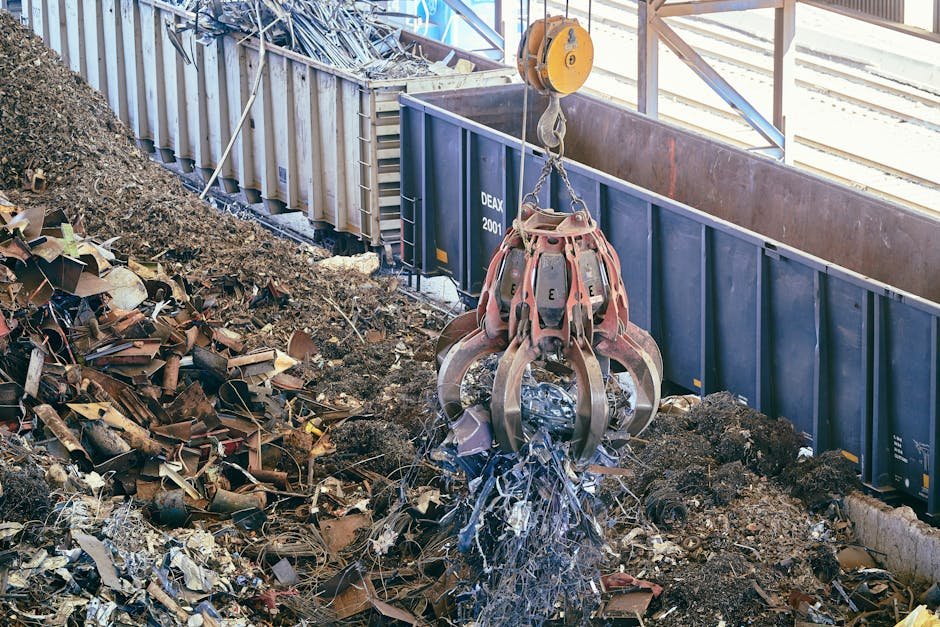
The transformation of waste into a secondary raw material is a sophisticated industrial process. It begins with Collection and Transportation, where dealers deploy specialized fleets to gather scrap from construction sites, manufacturing plants, and demolition projects. Once the material arrives at the yard, the Sorting phase begins. This is where expert knowledge is vital. Modern dealers use X-ray fluorescence (XRF) analyzers to determine the exact chemical composition of alloys, ensuring that a batch of stainless steel 316 isn’t contaminated with 304, which would significantly lower its value.
Following sorting, the material undergoes Processing and Shredding. Large hydraulic shears and balers are used to reduce the size of the metal, making it easier to handle and transport. Shredders break down complex assemblies—like end-of-life vehicles—into fist-sized chunks. The Separation stage then uses magnetic drums to pull out ferrous metals, while eddy current separators are employed to eject non-ferrous metals like aluminium from the waste stream. Finally, the processed scrap is sent to a furnace for Melting and Purification. The energy required to melt recycled aluminium is approximately 95% less than producing it from bauxite ore, highlighting the massive environmental benefits of this industry. For more insights into global standards, you can explore the Global scrap metal marketplace.
Market Dynamics: What Influences Scrap Prices in Dubai?
Pricing in the scrap industry is never static. A scrap dealer in dubai sets their daily rates based on the London Metal Exchange (LME) and the COMEX. However, local factors also play a significant role. The cost of logistics, particularly shipping container availability and fuel surcharges, can impact the ‘gate price’ offered to sellers. In Dubai, the proximity to major ports like Jebel Ali provides a competitive advantage, reducing the inland haulage costs that might plague dealers in larger landlocked regions.
The standards for Scrap Trade Australia are remarkably similar to the UAE’s rigorous environmental protocols, showing a global alignment in how high-value scrap is handled. Furthermore, seasonal fluctuations in construction activity in the Middle East can lead to supply gluts or shortages. During peak construction months, the influx of ‘new’ scrap (leftovers from manufacturing) increases, whereas ‘old’ scrap (from demolition) might remain steady. Savvy sellers monitor these trends and maintain relationships with dealers who offer transparent, weight-based pricing using certified weighbridges.
Environmental Benefits and the UAE Green Agenda
The environmental impact of metal recycling in Dubai cannot be overstated. Every tonne of steel recycled saves 1.1 tonnes of iron ore, 630 kg of coal, and 55 kg of limestone. By choosing a licensed scrap dealer, businesses contribute directly to the UAE’s ‘Net Zero by 2050’ initiative. Recycling reduces the need for destructive mining practices and significantly lowers greenhouse gas emissions. For instance, recycling copper saves up to 85% of the energy compared to primary production.
Moreover, the recycling industry in Dubai is moving toward more sustainable ‘green’ processing methods. This includes the use of solar-powered processing plants and water recycling systems within the scrap yards. For local operations in the Southern Hemisphere that follow similar sustainability models, visit Australian scrap recycling services. The integration of these environmental standards ensures that the scrap industry is not just a waste management solution but a cornerstone of sustainable industrial development. As carbon taxes and environmental social governance (ESG) criteria become more prevalent, the ability to prove that metal has been ethically sourced and recycled will become a prerequisite for doing business in the UAE.
Regulatory Compliance and Licensing in the UAE
Operating as a scrap dealer in Dubai requires strict adherence to local laws. The Dubai Municipality and the Department of Economy and Tourism (DET) oversee the licensing of these businesses. A legitimate dealer must hold a specific trade license that permits ‘Scrap and Metal Waste Trading.’ Furthermore, to combat the trade of stolen materials, the Dubai Police have implemented rigorous reporting requirements. For example, dealers are often required to record the Emirates ID of the seller and take photographs of the material being sold, particularly for high-value items like copper cables and manhole covers.
Compliance also extends to environmental safety. Scrap yards must be equipped with proper drainage systems to prevent heavy metals or oils from leaching into the ground. Hazardous materials found within scrap, such as lead-acid batteries or capacitors containing PCBs, must be handled according to federal environmental laws. For international traders, understanding these local regulations is crucial before engaging in cross-border transactions. The transparency provided by these regulations builds trust in the Dubai market, making it a preferred destination for international scrap buyers who require documented chains of custody.
Technological Advancements in Scrap Trading
The future of the scrap industry in Dubai is being shaped by technology. From AI-powered sorting robots that can distinguish between different grades of plastic and metal at high speeds to blockchain-based tracking systems that ensure the provenance of ‘green steel,’ the industry is undergoing a digital transformation. Many dealers in Dubai are now adopting cloud-based inventory management systems that provide real-time data on stock levels and market fluctuations. This allows for better risk management in a volatile commodity market.
Furthermore, the rise of digital marketplaces has democratized access to the scrap trade. Small-scale workshops can now list their scrap on platforms and receive bids from multiple dealers, ensuring they get the best possible price. This level of competition drives efficiency and encourages dealers to offer better services, such as faster pickup times and more flexible payment terms. The adoption of these technologies ensures that Dubai remains at the forefront of the global recycling industry, providing a model for other emerging markets to follow.
Conclusion: Partnering with the Right Dealer
Selecting the right scrap dealer in Dubai is a strategic decision that impacts both your bottom line and your environmental footprint. Whether you are a construction firm with tonnes of rebar or a manufacturing plant with consistent aluminium offcuts, the right partner will provide transparent pricing, efficient logistics, and full regulatory compliance. As the UAE continues to lead the region in sustainability and industrial innovation, the scrap metal sector will remain a vital component of its economic fabric. By understanding the grades, processes, and market drivers discussed in this guide, you are well-equipped to navigate the Dubai scrap market with confidence and expertise.
Frequently Asked Questions
How are scrap metal prices determined in Dubai?
Prices are primarily based on global benchmarks such as the London Metal Exchange (LME), but are adjusted locally based on the purity of the grade, the volume of the material, and current transportation costs within the UAE.
What documents are required to sell scrap metal in Dubai?
Individual sellers typically need to provide a copy of their Emirates ID, while businesses must provide their trade license and sometimes a ‘No Objection Certificate’ (NOC) or police clearance for certain materials like copper cables.
What is the difference between HMS 1 and HMS 2 steel?
HMS 1 is heavy scrap with a thickness of at least 1/4 inch and is free of galvanized or blackened steel, whereas HMS 2 is thinner (at least 1/8 inch) and may contain galvanized materials.
Does Dubai export its scrap metal or process it locally?
Dubai does both; a significant portion is processed locally for use in UAE-based steel mills and aluminium smelters, while the remainder is exported to major industrial markets in Asia and Europe via Jebel Ali Port.