
If you are searching for cash for scrap metal near me, you have likely realized that your unwanted household or industrial items hold significant financial value. In Australia, the scrap metal industry is a cornerstone of the circular economy, transforming discarded materials into high-quality raw commodities. Whether you are a tradesperson clearing a job site or a homeowner cleaning out the garage, understanding the nuances of metal grading and market fluctuations is the key to maximizing your profit. When searching for a Scrap Metal Recycling Near Me, it is essential to prioritize facilities that offer transparent pricing and efficient processing.
Understanding Metal Grades: Ferrous vs. Non-Ferrous
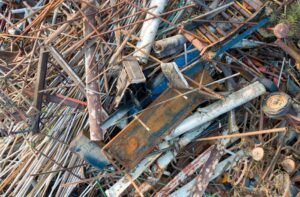
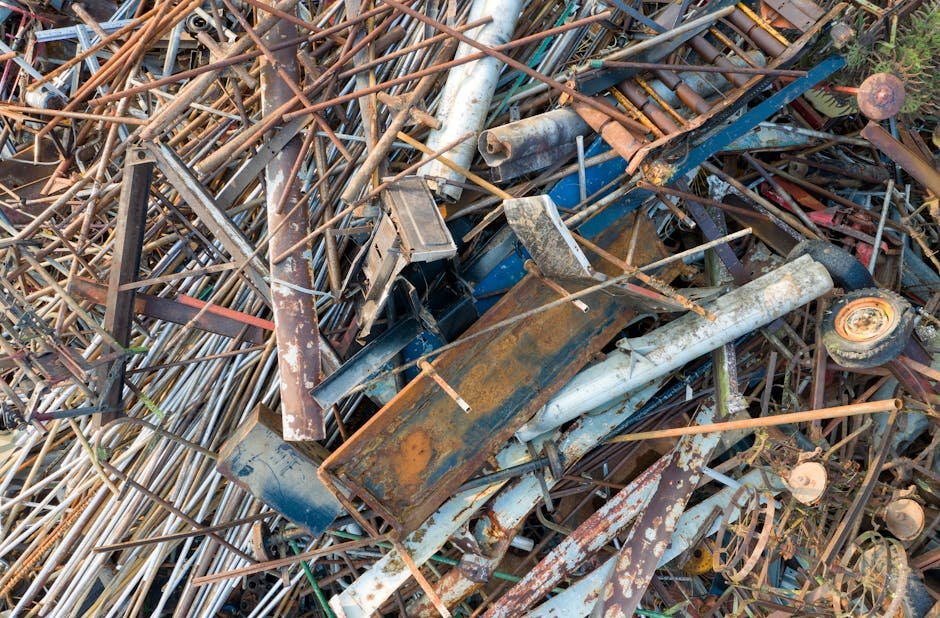
The first step in any successful recycling venture is distinguishing between the two primary categories of metal: ferrous and non-ferrous. Ferrous metals contain iron, are magnetic, and are generally more abundant but lower in value per kilogram. Common examples include carbon steel, stainless steel, and cast iron. Because these metals are prone to rust, they must be kept dry to maintain their grade. If you are looking for cash for scrap metal, you will find that ferrous scrap is typically sold in bulk quantities, such as heavy melting steel (HMS) or light iron.
Non-ferrous metals, conversely, do not contain iron, are non-magnetic, and are significantly more valuable. This category includes copper, aluminium, brass, lead, and stainless steel. Copper is arguably the most sought-after metal in the industry due to its high conductivity and infinite recyclability. Whether you are dealing with bright shiny copper wire or heavy copper pipes, knowing the specific grade—such as #1 or #2 copper—can mean the difference between a standard payout and a premium return. When you visit a professional metal trading hub, the staff will test your materials using X-ray fluorescence (XRF) technology to ensure accurate grading.
How the Recycling Process Works
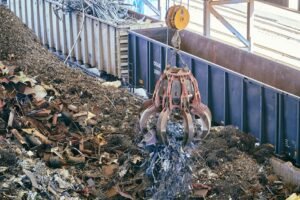
Recycling metal is a sophisticated industrial process that preserves natural resources and reduces energy consumption. Once you drop off your materials at a local scrap yard, the journey begins with weight verification. Most facilities use calibrated weighbridges to ensure you are paid exactly for what you bring. After weighing, the metal is sorted by hand or by automated systems, including magnetic separators for ferrous metals and eddy current separators for non-ferrous materials.
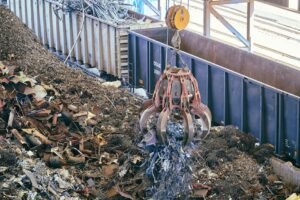
Once sorted, the metal is processed. This often involves shredding, which breaks large items into smaller, manageable pieces, or shearing, which cuts heavy beams into furnace-ready sizes. The metal is then melted in furnaces to remove impurities and cast into ingots or billets. These ingots are sold back to manufacturers to create new products, ranging from automotive parts to structural steel for skyscrapers. By choosing to recycle, you are actively participating in a system that reduces the need for destructive mining and lowers the carbon footprint of global manufacturing. If you have large quantities, you might consider services that Pick Up Scrap Metal For Cash Near Me to save on transport costs.
Maximizing Your Returns: Tips for Sellers
To ensure you receive the best possible value when you Sell Scrap Metal Near Me In 2026, preparation is everything. First, separate your metals. A mixed load of copper, aluminium, and steel will often be graded at the lowest common denominator, effectively losing you money. By segregating your scrap into distinct piles, you demonstrate to the buyer that you have done the legwork, which often leads to more favorable pricing.
Second, clean your materials. Remove non-metallic attachments such as plastic insulation, rubber gaskets, or wood screws. While some yards will accept “dirty” scrap, they will deduct the weight of the contaminants from your payout. Third, monitor market trends. Metal prices are commodities, meaning they fluctuate based on global supply and demand. By keeping an eye on our platform’s market updates, you can time your sales to coincide with market peaks. If you have significant volume, inquire about a scrap metal pick up for cash to streamline the logistics of moving heavy materials.
Environmental Benefits of Metal Recycling
The environmental impact of recycling scrap metal is profound. Mining for virgin ore is an energy-intensive process that causes significant soil erosion, water pollution, and habitat destruction. By contrast, recycling aluminium saves approximately 95% of the energy required to produce the same amount of metal from raw bauxite ore. Similarly, recycling steel reduces water usage by 40% and air pollution by 86% compared to primary production.
Furthermore, scrap metal is a permanent resource. Unlike plastics, which degrade in quality each time they are recycled, metal can be melted down and reformed indefinitely without losing its structural integrity. Every tonne of recycled steel prevents the mining of 1,100 kilograms of iron ore, 630 kilograms of coal, and 55 kilograms of limestone. When you search for a nearby recycler in your area, you are not just making money; you are contributing to a sustainable future for Australia.
Logistics: Finding the Closest Dealer
Finding the closest dealer is vital for profitability, especially when fuel costs are a factor. A local scrap yard that is nearby is more than just a place to dump metal; it is a partner in your waste management strategy. Use our directory to find a facility that offers competitive rates and convenient operating hours. When evaluating a site, consider their equipment—do they have certified scales? Do they offer efficient unloading assistance? A professional facility will make the process seamless, providing you with a weighbridge ticket and instant payment options.
For those in regional areas or those managing large-scale demolition projects, local pickup services are invaluable. These services allow you to clear your site without the need for heavy-duty trailers or multiple trips. By coordinating with a local pickup provider, you ensure that your scrap metal is handled safely and legally, adhering to all environmental regulations regarding hazardous waste disposal.
The Future of Metal Trading in Australia
The Australian scrap metal market is evolving rapidly. Digital integration, such as real-time price tracking and automated booking systems, is making it easier than ever to get cash for scrap metal near me. As we move toward 2026 and beyond, the industry is placing a greater emphasis on traceability and ethical sourcing. Buyers now prioritize scrap that is ethically recovered and processed in facilities that meet stringent environmental standards.
By staying informed and choosing to work with reputable dealers, you are ensuring that your contribution to the circular economy is both profitable and responsible. Whether you are a hobbyist or a professional contractor, the tools are now at your fingertips to turn waste into wealth. Remember to always ask for a receipt, check the scale calibration, and stay updated on the latest industry trends to maintain your competitive edge in the market.
Comprehensive Metal Identification Guide
To truly master the art of scrap metal trading, you must be able to identify metals on sight. Copper, for example, is reddish-brown when clean and develops a green patina over time. Brass, an alloy of copper and zinc, has a yellowish-gold appearance. Aluminium is lightweight, silvery-white, and non-magnetic. Stainless steel is often confused with regular steel, but it is typically non-magnetic and significantly more resistant to corrosion. If you are unsure about a metal, use a small magnet; if it sticks, it is likely ferrous. If it doesn’t, you are likely looking at a higher-value non-ferrous metal. Keep this guide handy when you are out collecting to ensure you never miss an opportunity to maximize your payout.
Safety Protocols for Scrap Handling
Safety should never be compromised in the pursuit of scrap metal. Always wear heavy-duty gloves to protect against sharp edges, burrs, and rust. When handling large or heavy items, use proper lifting techniques or mechanical assistance to prevent injury. Be wary of hidden hazards, such as pressurized cylinders, electrical components, or lead-based paints. If you are dismantling old machinery, ensure that all power sources are disconnected and that any fluids have been drained and disposed of according to local environmental laws. A professional recycler will always appreciate a seller who prioritizes safety, as it makes the processing stage much safer for their own staff.
Conclusion: Turning Waste into Opportunity
The journey from a pile of discarded metal to a valuable commodity is a testament to the efficiency of modern recycling. By understanding the grades, the environmental benefits, and the logistics of finding a reliable partner, you can turn your scrap into a consistent revenue stream. Whether you are searching for cash for scrap metal near me or looking to optimize your business’s waste management, the key is to stay informed and act strategically. Utilize the resources provided on our platform to connect with the best dealers, track market prices, and contribute to a greener, more sustainable Australia. Start today by sorting your materials and finding your nearest professional recycling facility.
Frequently Asked Questions
How do I know if my scrap metal is worth money?
Most metals have value, but non-ferrous metals like copper, brass, and aluminium are worth significantly more than ferrous metals like steel or iron. You can test your scrap with a magnet; if it doesn’t stick, it is likely a more valuable non-ferrous metal.
What should I bring when visiting a scrap yard?
Always bring a valid photo ID, as many Australian states require this for scrap metal transactions to prevent theft. Additionally, ensure your scrap is separated by type to receive the best possible price.
Can I get a pick-up service for my scrap metal?
Yes, many professional recyclers offer pick-up services for large volumes of scrap metal. This is ideal for construction sites, industrial clean-outs, or large-scale farm clearances.
How often do scrap metal prices change?
Scrap metal prices fluctuate daily based on global commodity markets, supply chain demand, and local currency strength. It is recommended to check current rates on our platform before heading to the yard.