
Embarking on a complete demolition central coast project is a significant undertaking that requires meticulous planning, regulatory compliance, and a strategic approach to material recovery. Whether you are clearing a residential block in Gosford or managing a large-scale industrial site in Wyong, understanding the lifecycle of your building materials is essential for both cost-efficiency and environmental sustainability. By integrating professional site management with advanced recycling practices, stakeholders can transform what was once considered ‘waste’ into valuable resources, effectively offsetting project costs.
Understanding the Scope of Complete Demolition Central Coast
The term ‘complete demolition’ refers to the total removal of a structure down to the foundation, often including the removal of slab, footings, and underground infrastructure. In the Central Coast region, this process is governed by stringent local council requirements and the Protection of the Environment Operations Act. When you initiate a project of this scale, you are not just destroying a building; you are managing a complex supply chain of materials.
Professional contractors in the area must navigate site-specific challenges, such as proximity to coastal zones, asbestos management, and the protection of local flora and fauna. A successful project begins with a comprehensive site audit. Before the heavy machinery arrives, experts assess the structure to identify hazardous materials, salvageable architectural features, and, most importantly, the volume of high-grade scrap metal. If you are a business owner or a contractor, you should familiarize yourself with Scrap Management A Complete Guide For Businesses And Recyclers to ensure that your site cleanup follows industry best practices for waste diversion.
The Role of Scrap Metal Recovery in Demolition
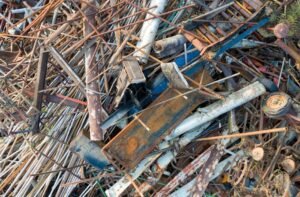
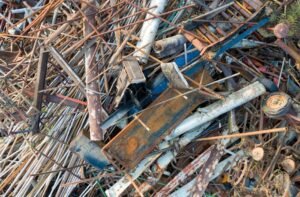
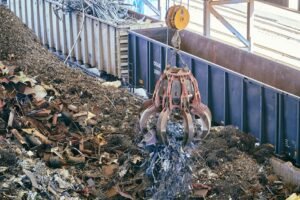
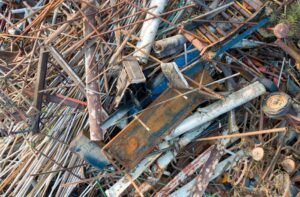
One of the most overlooked aspects of a demolition project is the significant value locked within the structure’s framework. Steel beams, copper wiring, aluminium cladding, and brass fixtures are highly sought after in the secondary metal market. By implementing a ‘deconstruction’ mindset rather than a ‘demolition’ mindset, you can extract these materials before the main structural collapse. This not only increases your project’s ROI but also contributes to the circular economy.
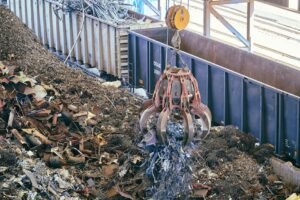
For those looking to maximize their returns, it is vital to understand current market fluctuations. You can reference Scrap Steel Price Per Kg A Complete Guide For Sellers to keep track of how your recovered steel will be valued at the weighbridge. The Central Coast has a robust network of demolition yards central coast where materials are processed, sorted, and prepared for smelting. Engaging with these facilities early in the planning phase can provide you with logistics support, such as skip bin placement and specialized transport for heavy scrap.
Regulatory Compliance and Safety on the Central Coast
Safety is the cornerstone of any demolition operation. In New South Wales, the demolition of a structure requires specific permits and, in many cases, a licensed supervisor. The Central Coast Council mandates that all demolition work must be carried out in accordance with Australian Standard AS 2601:2001 (The Demolition of Structures). This standard covers everything from dust suppression to noise control and structural integrity during the dismantling process.
Furthermore, the environmental impact of a complete demolition central coast project cannot be ignored. Proper waste classification is essential. Materials like concrete, bricks, and tiles must be separated from metals and hazardous waste to avoid contamination fees at local waste management facilities. For a deeper understanding of the broader industry landscape, consult The Complete Guide To Scrap Trade. This resource provides the necessary context for how demolition waste integrates into the wider scrap metal trading ecosystem.
Selecting the Right Demolition Partner
Choosing the right contractor is perhaps the most critical decision you will make. You need a partner who understands the local geography and has established relationships with regional recycling centers. When vetting companies for your complete demolition central coast project, ask about their recycling targets. A reputable contractor will provide you with a waste diversion report, detailing exactly how much material was diverted from landfill.
It is also beneficial to check if they have experience with central coast complete demolition specifically. Local experience means they are already familiar with council reporting requirements and the logistical constraints of the region’s road networks. You can find a list of verified industry professionals through our professional scrap metal trading portal, which connects site managers with vetted recyclers. Additionally, for general inquiries regarding scrap logistics, you can visit our central scrap trading hub to stay updated on industry news.
The Economics of Material Salvage
Why pay for demolition when you can potentially turn a profit? The economics of modern demolition have shifted. With the rising cost of virgin steel, the demand for recycled scrap metal has never been higher. A large-scale demolition project can yield tonnes of ferrous and non-ferrous metals. If these are sorted correctly on-site, the scrap value can significantly offset the cost of labor and equipment hire.
To maximize this, you must implement a rigorous onsite sorting strategy. Keep copper, lead, and high-grade stainless steel separate from general structural steel. Contamination—such as mixing plastic or wood with your steel—will significantly lower the price you receive at the yard. By training your site crew to recognize and separate these materials, you ensure that your project remains financially viable from start to finish.
Environmental Sustainability and Waste Diversion
The construction and demolition sector is one of the largest contributors to landfill waste in Australia. As a project owner, you have a responsibility to minimize this footprint. Implementing a circular waste management plan is not just ‘green’—it is increasingly becoming a regulatory requirement. Modern demolition techniques focus on ‘soft stripping’—the removal of non-structural items like internal fixtures, glass, and electrical components—before the heavy machinery dismantles the building frame.
By prioritizing the recovery of concrete (which can be crushed and reused as road base) and metals (which can be melted down indefinitely), you are contributing to a more sustainable Central Coast. This commitment to sustainability can also be a significant selling point if you are developing the land for future use, demonstrating corporate social responsibility to local stakeholders and potential buyers.
Technological Advancements in Demolition
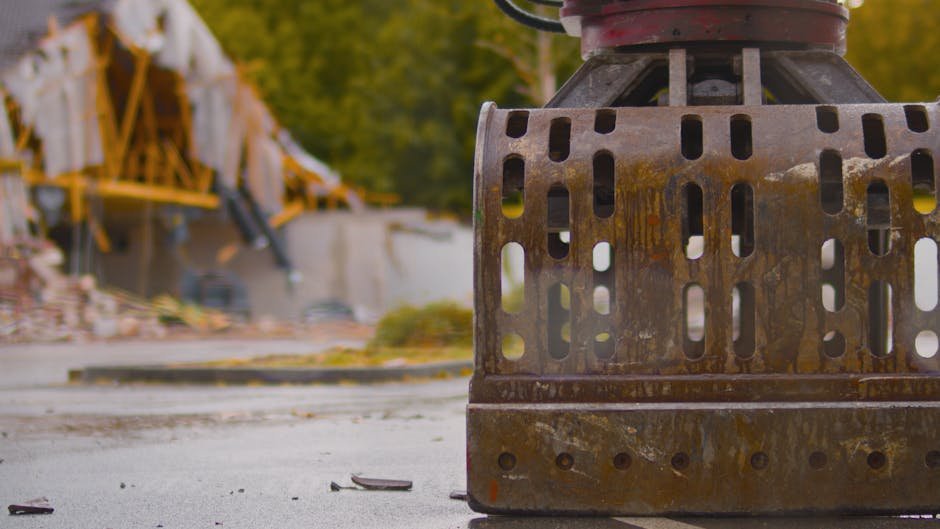
The demolition industry is undergoing a digital transformation. From the use of drones to map site risks to advanced hydraulic shears that can cut through thick steel beams with surgical precision, technology is making the process faster and safer. On the Central Coast, contractors are increasingly adopting these tools to improve efficiency. For instance, high-reach excavators allow for the controlled collapse of tall structures, minimizing the risk to workers and nearby properties.
Furthermore, digital inventory management systems are now being used to track the volume of scrap metal recovered in real-time. This data-driven approach allows project managers to forecast their returns more accurately and adjust their site strategy on the fly. As the industry continues to evolve, keeping abreast of these technological trends will ensure that your demolition project remains at the cutting edge of efficiency and safety.
Future-Proofing Your Demolition Project
When planning for the future, consider the long-term implications of your demolition choice. Are you clearing the site for a new build? If so, the way you clear the site will impact the soil quality and the ease of future construction. Proper site remediation after the structure is gone is just as important as the demolition itself. Ensure that your contract includes provisions for site leveling, topsoil management, and the removal of all subterranean remnants that could interfere with future footings.
By taking a holistic view of your complete demolition central coast project, you ensure that the land is left in a condition that adds value to the community and the environment. Remember that the goal is not just to remove a building, but to prepare the land for its next chapter, all while capturing the maximum value from the materials left behind. Through careful planning, expert partnerships, and a commitment to recycling, you can turn a challenging demolition project into a benchmark for sustainable development in the region.
Frequently Asked Questions
Frequently Asked Questions
What permits are required for a complete demolition on the Central Coast?
You generally require a Development Application (DA) and a Construction Certificate (CC) from the Central Coast Council. Additionally, you may need a permit for asbestos removal if the structure was built before 1990.
How can I maximize the scrap value during my demolition project?
The key is to perform ‘soft stripping’ to separate high-value non-ferrous metals like copper and aluminium from structural steel. Keep these materials clean and free of contaminants to ensure you receive the best price at the yard.
Is it possible to recycle concrete from a demolition site?
Yes, concrete is highly recyclable. It can be crushed and processed into road base or aggregate for new construction projects, which helps reduce waste disposal fees.
How long does a typical complete demolition take?
The timeline depends on the building size, complexity, and site access. A standard residential demolition typically takes between 1 to 3 weeks, including site preparation and waste removal.