
Navigating the landscape of scrap metal northern suburbs requires a blend of industry knowledge, logistical planning, and an understanding of how global metal markets influence local pricing. Whether you are a trade contractor clearing a job site, a homeowner cleaning out a shed, or a business manager looking to optimize waste disposal, understanding the lifecycle of your scrap is the first step toward turning waste into a revenue stream. If you are ready to convert your accumulated materials into profit, you can Sell Scrap Metal Near Me In 2026 by following the standardized procedures outlined in this guide.
Understanding Metal Grades: Ferrous vs. Non-Ferrous
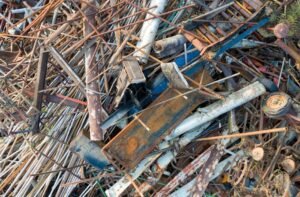
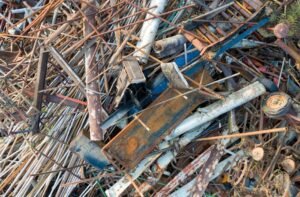
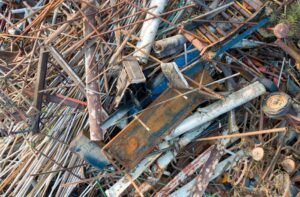
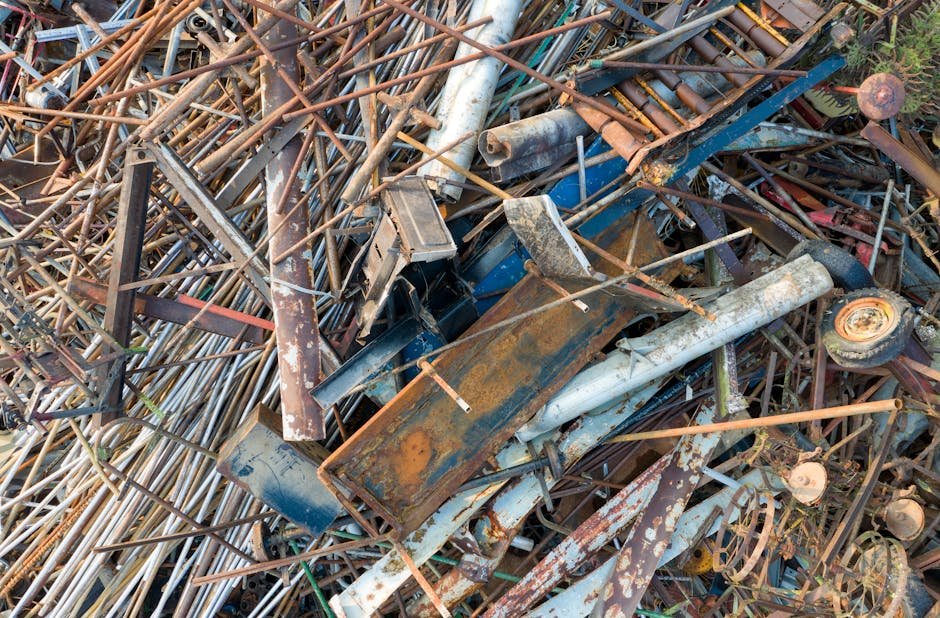
To maximize your returns, you must first categorize your materials. The industry is broadly split into two primary categories: ferrous and non-ferrous metals. Ferrous metals contain iron, are magnetic, and are generally more abundant but lower in value per kilogram compared to their counterparts. Common examples include structural steel, cast iron, and wrought iron. When managing scrap metal northern suburbs collection, you will often find these in the form of old machinery, piping, or demolition debris.
Non-ferrous metals, on the other hand, do not contain iron, are non-magnetic, and are highly resistant to corrosion. This category includes copper, aluminium, brass, lead, and stainless steel. Because these metals are infinitely recyclable without losing their chemical properties, they command significantly higher prices. For those searching for Scrap Metal Recycling Near Me, identifying these grades is essential. High-grade copper, for instance, is often stripped from electrical wiring, while aluminium is frequently sourced from window frames and automotive parts. Knowing the difference allows you to sort your loads effectively before arriving at the weighbridge.
The Scrap Metal Recycling Process Explained
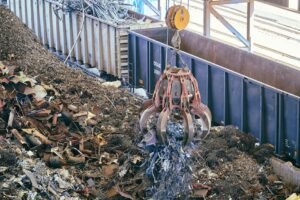
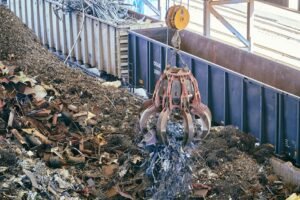
The journey of a piece of scrap metal from your property to a finished product is a sophisticated industrial process. It begins with collection and sorting. Once the material reaches a certified facility, it is weighed on calibrated scales to determine its market value based on current Scrap Metal Prices. The material is then processed through shredders, shears, or hydraulic balers to reduce volume, making it easier to transport and feed into furnaces.
After processing, the metal is melted down in a furnace. This is where the environmental magic happens. By melting down existing metal, we bypass the energy-intensive process of mining virgin ore. For example, recycling aluminium uses approximately 95% less energy than producing it from raw bauxite. This refined metal is then cast into ingots, which are sold to manufacturers to create everything from new beverage cans to structural beams for the construction industry. Providing cash for scrap metal invermay and other regional hubs ensures that these materials stay within the circular economy rather than ending up in landfills.
Environmental Benefits of Local Recycling
The environmental impact of recycling cannot be overstated. By focusing on scrap metal northern suburbs operations, we are actively reducing the carbon footprint of the local manufacturing sector. Mining is one of the most ecologically damaging industries on the planet, involving deforestation, soil erosion, and water pollution. When you recycle your scrap, you are directly reducing the demand for new mining operations.
Furthermore, recycling metal reduces greenhouse gas emissions. The energy saved during the smelting process translates to a significant reduction in the fossil fuels required to power industrial furnaces. For those in Queensland looking for options, brisbane scrap metal recycling facilities are at the forefront of this sustainability movement, ensuring that industrial waste is diverted from landfills and repurposed. By choosing to recycle locally, you are supporting a cleaner, more sustainable future for Australia while simultaneously cleaning up your own property or job site.
Maximizing Your Returns: Tips for Sellers
If you want to get the most out of your scrap, preparation is key. First, ensure your metal is clean. Contamination, such as plastic insulation on copper wire or oil residue on steel, can significantly reduce the value of your load. Most yards will pay a premium for “clean” or “bright” copper compared to “burnt” or “insulated” copper. Use a leading scrap metal trading platform to stay informed on market trends and identify the best times to sell.
Second, sort your materials before you arrive. If you mix your high-value copper with low-value steel, the yard may grade the entire load at the lower rate. By keeping your metals separated into distinct bins or containers, you demonstrate professionalism and ensure you receive the highest possible payout for each specific grade. Finally, keep an eye on market fluctuations. Metal prices are tied to global commodity markets, which shift daily. Using resources found at the official scrap trade portal can provide you with the data you need to time your sales effectively.
Safety and Compliance in Scrap Handling
Working with scrap metal involves inherent risks, including sharp edges, heavy lifting, and exposure to hazardous materials. Always wear appropriate personal protective equipment (PPE), such as heavy-duty gloves, steel-capped boots, and high-visibility clothing. If you are dealing with large machinery, ensure you have the proper lifting equipment to prevent injury.
Compliance is equally important. Ensure that the facility you choose is fully licensed and adheres to environmental regulations. A reputable scrap yard will have clear signage, certified scales, and transparent pricing policies. They will also be able to provide you with documentation for your records, which is particularly important for commercial entities that need to report on waste management and recycling initiatives. Avoid illegal dumping at all costs, as this not only harms the environment but carries heavy legal penalties.
The Future of the Australian Scrap Industry
The scrap metal industry in Australia is evolving rapidly. With the rise of the circular economy, there is an increasing focus on recovering rare earth metals from electronic waste and improving the efficiency of metal separation technologies. As we move toward 2026, the integration of digital platforms into the scrap trade is making it easier than ever for sellers to find information, track prices, and connect with reputable buyers.
By participating in the local scrap market, you are part of a global supply chain that is essential for modern infrastructure. Whether it is the steel in our skyscrapers or the copper in our power grids, recycled metal is the backbone of our economy. Staying educated, sorting your materials, and engaging with professional recyclers ensures that you are not just making money, but also contributing to a more efficient and sustainable world.
Logistics and Transportation Strategies
For large-scale commercial operations, logistics can make or break your profitability. If you are generating significant volumes of scrap, consider renting a dedicated skip bin. Many scrap metal companies offer bin services that allow you to accumulate scrap over time, reducing the number of trips you need to make to the yard. This not only saves on fuel and time but also helps keep your site clean and safe.
When transporting scrap, ensure your load is properly secured. Loose metal can pose a significant danger to other road users and is a violation of traffic laws. Use heavy-duty straps and, if necessary, a tarp to cover your load. If you are dealing with large volumes on a regular basis, talk to your local recycler about scheduled pickups. Many yards are willing to provide logistics support for high-volume clients, which streamlines the entire recycling process and allows you to focus on your core business activities.
Advanced Sorting Techniques for Professionals
To truly master the scrap trade, you need to go beyond basic sorting. Professional scrappers often use simple tools to identify metals. A magnet is your most basic tool for distinguishing ferrous from non-ferrous metals. A file can be used to scratch the surface of a metal to see its true color underneath, which is helpful for identifying brass or bronze that may have been painted. A spark test, while more advanced, involves using a grinder to observe the color and shape of sparks produced, which can help identify specific steel alloys.
Understanding the difference between alloys is also critical. For instance, not all aluminium is the same; cast aluminium is different from extruded aluminium, and they often carry different values. By learning these nuances, you can ensure that you are not under-selling your materials. Always ask your buyer about their specific grading criteria, as these can vary slightly between facilities. Building a relationship with your local yard manager can provide you with invaluable insights into how to best present your scrap for the highest return.
FAQ
What is the most valuable scrap metal I can collect? Copper is generally the most valuable common scrap metal, especially when it is clean, bright, and free of insulation. Other high-value metals include brass, lead, and certain grades of stainless steel.
How do I know if my metal is magnetic? Simply use a standard household magnet. If the magnet sticks to the metal, it is a ferrous metal (like iron or steel), which typically has a lower market value than non-ferrous metals.
Do I need to clean my scrap metal before selling it? While not strictly required, cleaning your metal by removing plastic, rubber, wood, or other non-metal attachments will significantly increase the price you receive per kilogram. Clean metal is easier for the recycler to process and is therefore more desirable.
How are scrap metal prices determined? Prices are driven by global supply and demand, influenced by factors like international manufacturing output, mining production levels, and currency exchange rates. Local yards adjust their buy prices based on these global market trends.
Frequently Asked Questions
What is the most valuable scrap metal I can collect?
Copper is generally the most valuable common scrap metal, especially when it is clean, bright, and free of insulation. Other high-value metals include brass, lead, and certain grades of stainless steel.
How do I know if my metal is magnetic?
Simply use a standard household magnet. If the magnet sticks to the metal, it is a ferrous metal (like iron or steel), which typically has a lower market value than non-ferrous metals.
Do I need to clean my scrap metal before selling it?
While not strictly required, cleaning your metal by removing plastic, rubber, wood, or other non-metal attachments will significantly increase the price you receive per kilogram. Clean metal is easier for the recycler to process and is therefore more desirable.
How are scrap metal prices determined?
Prices are driven by global supply and demand, influenced by factors like international manufacturing output, mining production levels, and currency exchange rates. Local yards adjust their buy prices based on these global market trends.