
In Australia, effective scrap metal recycling solutions are essential for conserving resources, supporting the circular economy, and meeting strict environmental regulations. This guide walks you through every aspect of the process, from grade classification to the environmental impact of each step.
Understanding Metal Grades and Their Market Value
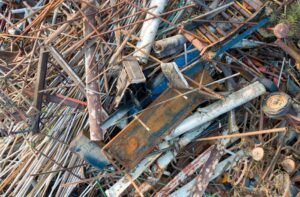
Metal grades determine the quality, purity, and price a recycler can obtain. Common categories include ferrous metals (steel, cast iron) and non‑ferrous metals (copper, aluminum, brass, stainless steel). Within each category, further sub‑grades exist based on alloy composition, coating, and contamination levels. For instance, copper is graded as #1 (bare bright copper), #2 (copper wire), and #3 (copper with insulation). Accurate grading maximises profit and ensures the material meets downstream manufacturing specifications.
Australian scrap metal markets use internationally recognised standards such as the ASTM and ISO grading systems. Traders who understand these standards can negotiate better rates, avoid costly re‑sorting, and build trust with scrap metal recycling companies. Moreover, grading influences the choice of recycling technology—high‑grade aluminum may be processed via high‑efficiency eddy‑current separators, while mixed ferrous scrap often goes straight to a magnetic separator.
How the Recycling Process Works: From Collection to Re‑use
The recycling chain begins with collection. Whether you are a construction contractor, a household, or an industrial producer, locating a reliable partner is crucial. A simple search for Scrap Metal Recycling Near Me connects you with licensed facilities that accept a wide range of grades.
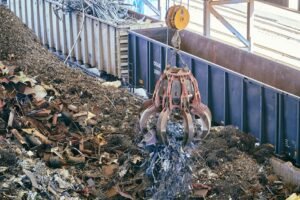
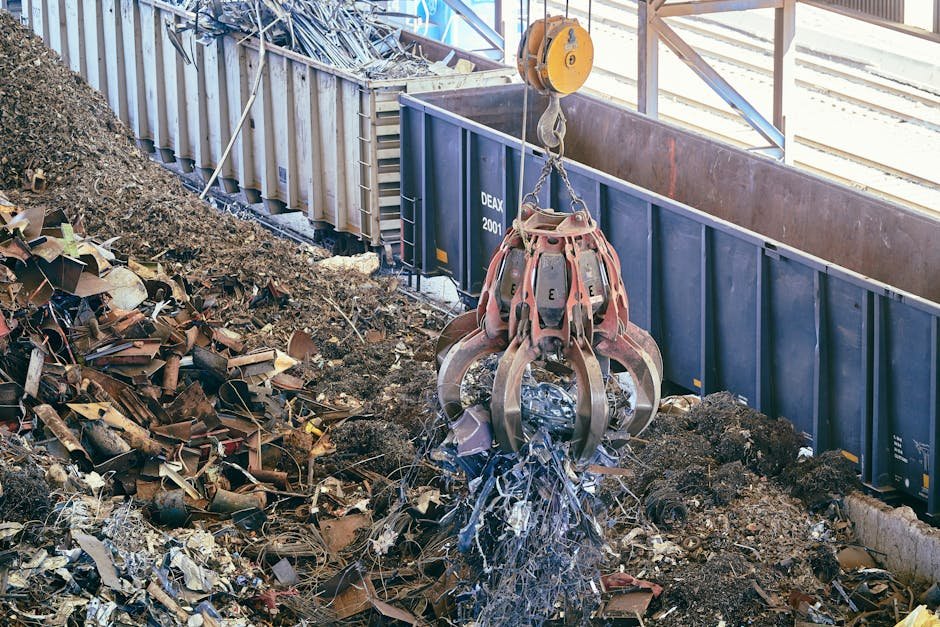
Once collected, the material undergoes pre‑processing: removal of non‑metal contaminants (plastic, wood, hazardous substances) and initial sorting by magnetics or manual inspection. Next, shredders reduce the size of the metal, increasing surface area for subsequent melting. The shredded material is then segregated using advanced technologies such as sensor‑based optical sorting, eddy‑current separation for non‑ferrous metals, and air classification for light contaminants.After segregation, each metal stream is melted in a furnace designed for its specific melting point and energy efficiency. For example, aluminum melts at 660 °C and can be reclaimed using a reverberatory furnace that recycles its own heat, while steel requires a basic oxygen furnace or electric arc furnace. The molten metal is poured into molds, forming ingots or billets ready for the manufacturing sector.
Throughout the process, stringent quality checks—spectrometric analysis, tensile testing, and chemical composition verification—ensure the recycled metal meets industry standards. This closed‑loop system reduces the need for virgin ore extraction, conserves energy, and lowers greenhouse gas emissions.
Environmental Benefits of Effective Recycling Solutions
Recycling metal delivers profound environmental advantages. Producing primary aluminum from bauxite consumes up to 14 times more energy than recycling aluminum scrap. Similarly, recycling steel saves up to 74 % of the energy required to produce new steel from iron ore. These energy savings translate directly into reduced CO₂ emissions, helping Australia meet its net‑zero targets.
Beyond energy, metal recycling mitigates land‑fill pressures. An estimated 1.2 million tonnes of metal waste are diverted from Australian land‑fills each year, preserving valuable land and preventing leachate contamination. Moreover, recycling reduces the demand for mining, which often involves habitat destruction, water consumption, and the release of heavy metals into ecosystems.
Companies that adopt comprehensive scrap metal recycling solutions can also earn sustainability certifications (ISO 14001) and qualify for government incentives, such as the Australian Renewable Energy Agency (ARENA) grants for circular‑economy projects.
Practical Tips for Businesses and Individuals
- Know your grades: Use a metal testing kit or consult a professional to correctly identify the grade of your scrap before sale.
- Separate at the source: Keep ferrous and non‑ferrous metals separate to reduce processing costs and improve pricing.
- Partner with reputable recyclers: Verify that the recycler holds the necessary licences and follows environmental best practices. The York Metal Recycling Efficient And Profitable Scrap Solutions article showcases a model partnership.
- Leverage technology: Small businesses can invest in portable magnetic separators or balers to streamline collection and improve load density.
- Stay informed about market trends: Prices for copper and aluminum fluctuate with global demand. Monitoring resources like the Sell Scrap Metal Near Me In 2026 guide helps you time sales for maximum profit.
For ongoing support, many Australian firms offer comprehensive scrap metal recycling services that include pick‑up, on‑site weighing, and documentation for tax deductions.
Regulatory Landscape and Compliance Requirements
Australia’s waste‑management framework is governed by the National Environment Protection (Assessment of Site Contamination) Measure and state‑specific legislation such as the NSW Waste Avoidance and Resource Recovery Act. Recyclers must hold a licence from the relevant state environmental agency and adhere to the Australian Export Control Act when shipping metal overseas.
Compliance includes maintaining accurate records of weight, grade, and destination for each consignment. These records are essential for the Australian Business Register (ABR) reporting and for claiming GST credits on recycling services. Failure to comply can result in fines, loss of licence, and reputational damage.
Choosing the Right Recycling Partner
When evaluating potential partners, consider the following criteria:
- Licensing and accreditation: Verify current licences and ISO certifications.
- Processing capacity: Ensure the facility can handle your volume without bottlenecks.
- Transparency in pricing: Look for clear, grade‑based pricing structures.
- Environmental track record: Review annual sustainability reports and carbon‑footprint data.
- Geographic proximity: Shorter transport distances reduce emissions and costs; use tools like the Scrap Metal Recycling Near Me locator.
For a deeper dive into the industry, the Ultimate Guide to Scrap Metal Recycling in Australia provides a full overview of market dynamics, emerging technologies, and future outlooks.
Future Trends: Innovation and the Circular Economy
Emerging technologies such as AI‑driven sorting robots, blockchain for traceability, and low‑temperature plasma melting are reshaping the recycling landscape. These innovations promise higher recovery rates, reduced energy consumption, and greater transparency across the supply chain.
Australia is also investing in regional recycling hubs to decentralise processing and create local jobs. Government incentives encourage the adoption of renewable‑energy‑powered furnaces and the development of closed‑loop supply chains for high‑value alloys like titanium and nickel.
Businesses that integrate these forward‑looking scrap metal recycling solutions will not only improve profitability but also position themselves as leaders in the national transition to a sustainable, circular economy.
To explore partnership opportunities or learn more about how your organization can benefit from advanced recycling practices, visit Scrap Trade for detailed service listings and contact information.
For a broader perspective on the Australian market and to connect with industry experts, check out the Australian scrap metal marketplace, which offers resources, forums, and up‑to‑date pricing data.
Frequently Asked Questions
What are the main grades of scrap metal in Australia?
The main grades include ferrous metals such as steel and cast iron, and non‑ferrous metals like copper, aluminum, brass, and stainless steel, each further divided by purity, alloy composition, and contamination level.
How does metal recycling reduce carbon emissions?
Recycling metal saves up to 74% of the energy needed to produce new steel and up to 95% for aluminum, directly lowering CO₂ emissions associated with ore extraction and processing.
Do I need a licence to sell scrap metal?
Individuals generally do not need a licence, but businesses must hold a waste‑management licence and comply with state regulations for collection, transport, and export.
What factors influence the price I receive for scrap metal?
Price is driven by metal grade, market demand, global commodity prices, purity, contamination levels, and the processing capacity of the recycling facility.