
Demolition scrap buyer services are essential for recycling construction and demolition waste. Whether you’re a contractor, property developer, or demolition specialist, understanding how to engage with a demolition scrap buyer in Australia can streamline your waste management, boost revenue, and support sustainability goals. This guide covers everything from finding a trusted demolition scrap buyer to navigating pricing, recycling processes, and environmental benefits.
Understanding Demolition Scrap
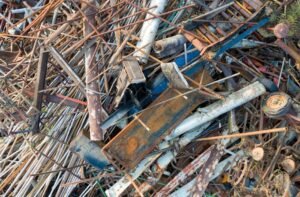
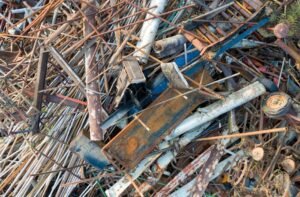
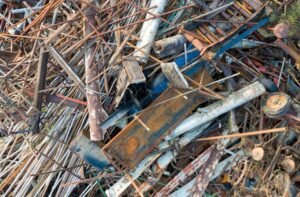
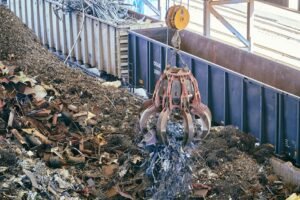
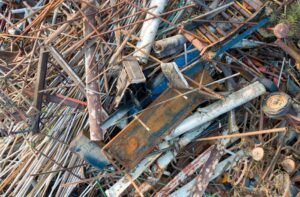
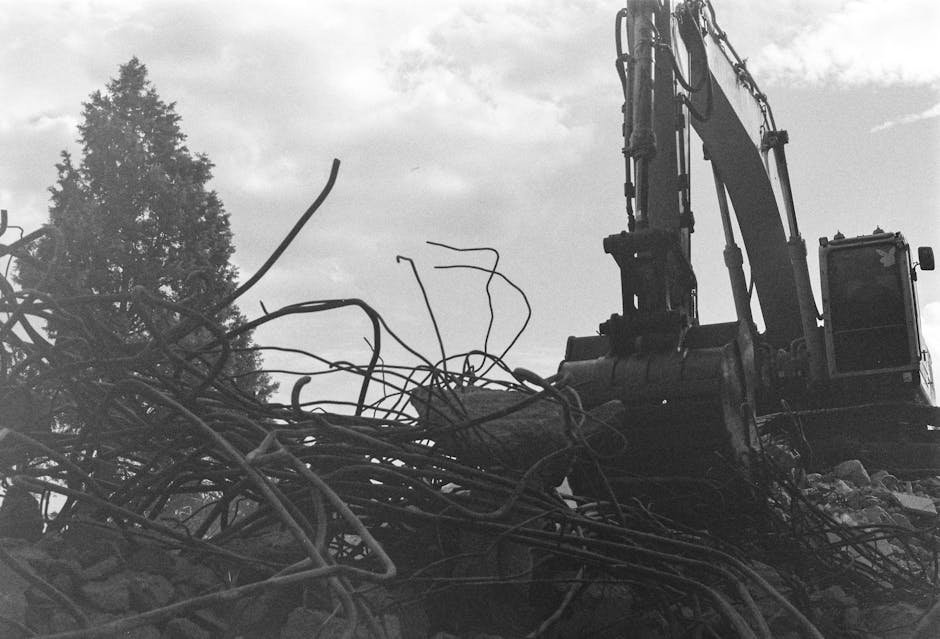
Demolition scrap refers to metal waste generated during the deconstruction of buildings, infrastructure, or industrial sites. This includes:
- Ferrous metals (e.g., steel beams, iron pipes)
- Non-ferrous metals (e.g., copper wiring, aluminium sheets)
- Metal-containing debris (e.g., machinery parts, vehicle components)
Before engaging a demolition scrap buyer, it’s crucial to identify the types and quantities of scrap you’ll generate. What Scrap Trade Actually Is explains how different metal grades impact value and recycling potential.
Where to Find a Demolition Scrap Buyer
To locate a reliable demolition scrap buyer, consider these options:
- Online platforms: Use sites like scrap.trade to connect with verified buyers across Australia.
- Local scrapyards: Many industrial zones have dedicated facilities for bulk demolition scrap.
- Industry networks: Join construction associations or recycling groups for referrals.
Always verify a buyer’s reputation and certifications before proceeding. For example, scraptrade.com.au lists pre-screened industrial scrap buyers with transparent pricing.
Choosing a Trusted Demolition Scrap Buyer
Not all scrap buyers are equal. To find a trusted demolition scrap buyer in Australia, ask:
- Do they have a valid ABN and insurance?
- Can they provide certificates of recycling for compliance?
- Do they offer competitive scrap pricing for your metal grades?
Reputable buyers like industrial scrap buyers often provide on-site assessments and fast payment options. Avoid unregistered dealers who may underpay or mishandle hazardous materials.
Pricing and Grades of Demolition Scrap
Scrap metal prices vary based on:
- Market demand (e.g., copper prices fluctuate with global trends)
- Purity (clean, sorted metal fetches higher rates)
- Transport costs (remote areas may have lower offers)
Common grades include:
- Steel: $100–$250 per ton
- Copper: $5,000–$8,000 per ton
- Aluminium: $1,200–$2,000 per ton
For non-ferrous metals like aluminium scrap, purity is key. Removing contaminants (e.g., paint, concrete) can increase your payout by 15–30%.
The Demolition Scrap Recycling Process
Once sold, your scrap undergoes:
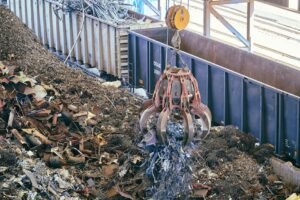
- Collection: The buyer transports scrap to their facility.
- Sorting: Ferrous and non-ferrous metals are separated using magnets and sensors.
- Shredding: Large items are broken down into smaller pieces.
- Refining: Metals are smelted and recast into new products.
This process what is scrap trade ensures materials are reused efficiently. For instance, plastic scrap may require different handling, but metal recycling is highly standardized.
Environmental Benefits of Recycling Demolition Scrap
Recycling demolition scrap reduces:
- Landfill waste: 90% of demolition debris can be recycled.
- Carbon emissions: Recycling steel uses 60% less energy than producing new steel.
- Resource depletion: Recycling 1 ton of copper saves 14 kg of hazardous waste.
By working with a demolition scrap buyer, you support circular economy goals and comply with Australian environmental regulations.
Practical Tips for Working with a Demolition Scrap Buyer
Maximize your returns with these strategies:
- Get multiple quotes to compare prices.
- Sort and clean scrap before selling to increase value.
- Request a written contract to avoid disputes.
Conclusion
Engaging a demolition scrap buyer in Australia is a strategic move for efficient waste management and profitability. By understanding pricing, grades, and recycling processes, you can partner with trusted dealers who align with your environmental and financial goals. Start by exploring online platforms like scrap.trade or contacting scraptrade.com.au for instant buyer connections.
Frequently Asked Questions
How do I identify the grade of demolition scrap?
Use a magnet to separate ferrous metals (attracted) from non-ferrous metals (not attracted). For precise classification, contact a demolition scrap buyer for on-site assessment.
Why is recycling demolition scrap important?
Recycling reduces landfill waste, conserves natural resources, and lowers carbon emissions. For example, recycling steel saves 60% of the energy required to produce new steel from ore.
How can I negotiate better prices with a scrap buyer?
Research current scrap metal pricing online, sort your materials for purity, and compare offers from multiple trusted scrap dealers to strengthen your position.
What should I avoid when choosing a demolition scrap buyer?
Avoid unregistered buyers, those who don’t provide payment receipts, or those who mishandle hazardous materials. Always verify certifications and read reviews from previous clients.