

Engaging a reliable scrap collector is the foundational step for any business or individual looking to optimize their metal waste management strategy. In Australia, the recycling landscape is governed by stringent environmental standards and complex commodity pricing, making the choice of a partner critical to both profitability and sustainability. Whether you are managing a large-scale demolition site or clearing out a residential garage, understanding how to effectively Sell Scrap is essential to capturing the true market value of your materials. By working with an established Gmr Scrap partner, you ensure that your waste stream is handled according to the highest industry benchmarks, preventing hazardous leakage into ecosystems and maximizing the recovery of precious finite resources.
The Role of a Professional Scrap Collector in the Australian Economy
The Australian metal recycling industry is a multi-billion dollar sector that serves as the backbone of the circular economy. A professional scrap collector does far more than simply transport metal; they act as the primary interface between waste generators and the global manufacturing supply chain. By aggregating, sorting, and processing various metal types, these collectors provide the necessary volume and purity required by smelters and refineries. When you are Finding a Scrap Collector Near You in Australia, you are essentially vetting a logistics partner who must balance transport costs, commodity price volatility, and stringent safety regulations. The most successful operators utilize advanced mobile weighing technology and real-time market data to offer competitive buy-back rates. They bridge the gap between the point of origin and the final destination, where metals like copper, aluminum, and steel are melted down to create new products, effectively reducing the need for destructive mining practices. This industrial efficiency is why professional collection services are integral to the national infrastructure, supporting everything from automotive manufacturing to high-rise construction projects.
Understanding Metal Grades and Market Value
To maximize the financial return on your Scrap, you must understand the grading system. Metals are classified based on their purity, chemical composition, and physical state. Ferrous metals, such as iron and steel, are magnetic and generally trade at lower volumes per unit of weight compared to non-ferrous metals. Non-ferrous metals, including copper, brass, aluminum, and lead, are the high-value commodities that drive the profit margins of most recycling operations. For instance, ‘Bright and Shiny’ copper wire is the gold standard for purity, commanding the highest price because it requires minimal processing before it can be smelted. Conversely, ‘Dirty’ copper, which contains insulation, solder, or other contaminants, will be graded lower and priced accordingly. A professional collector will often provide guidance on how to strip wires or segregate metals to improve your classification. By separating your materials at the source—keeping stainless steel apart from mild steel, or copper apart from brass—you significantly increase the value of your load. Market trends are dictated by the London Metal Exchange (LME), and savvy recyclers monitor these fluctuations to time their sales for maximum gain. Always verify the weight and grading process with your collector to ensure transparency in your transactions.
The Mechanics of Metal Recycling: From Collection to Commodity
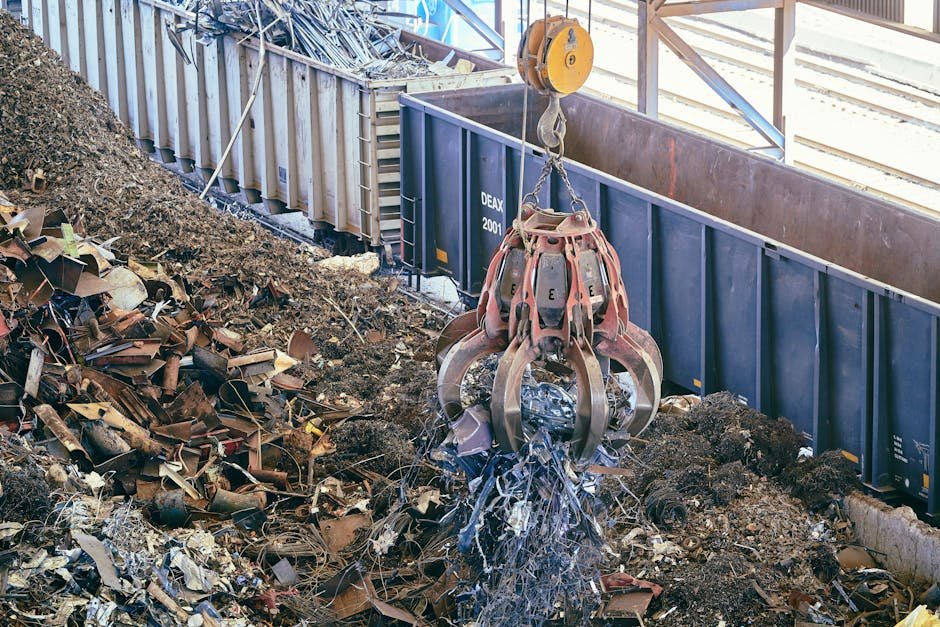
The recycling process is a precise, multi-stage operation. Once a scrap collector arrives on-site, the material is weighed using certified scales. This weight serves as the basis for the transaction. After collection, the material is transported to a processing facility. Here, the first step is ‘sorting,’ where powerful magnets are used to separate ferrous from non-ferrous metals. Eddy current separators are then employed to eject non-metallic materials and non-ferrous metals like aluminum from the waste stream. After sorting, the metal is often shredded or sheared to reduce its volume and increase its density, making it easier to transport and feed into furnaces. This processed material, now known as ‘secondary raw material,’ is then sold to domestic or international smelters. At the smelter, the metal is refined and cast into ingots or billets, which are then sold back to manufacturers. This closed-loop system is highly efficient; for example, recycling aluminum consumes roughly 95% less energy than producing it from raw bauxite ore. By choosing a reputable provider, such as those found at Scrap Trade, you ensure that your materials move through this efficient chain without being diverted to landfills. This level of professional handling ensures that the environmental footprint of your waste is minimized while the economic value is fully captured.
Environmental Benefits and Sustainability Impacts
The environmental case for metal recycling is overwhelming. Every tonne of steel recycled saves over a tonne of iron ore, 630 kg of coal, and 55 kg of limestone. Beyond these raw material savings, the energy reduction is monumental. When you utilize the services of a professional scrap collector, you are directly contributing to the reduction of greenhouse gas emissions associated with primary metal production. Furthermore, recycling prevents the accumulation of scrap in landfills, where heavy metals can leach into the groundwater, causing long-term ecological damage. Modern recycling facilities are designed to capture hazardous components, such as lead-acid batteries or mercury-containing switches, ensuring they are treated according to strict environmental regulations. This is a critical component of the Australian recycling industry commitment to sustainable development. By diverting waste from landfills, we are preserving natural landscapes and reducing the demand for new mining operations, which are often the most destructive activities on the planet. As a business owner or individual, your choice of recycling partner is a statement of your environmental values. Engaging with collectors who provide documented proof of sustainable processing is not just good business; it is a vital act of environmental stewardship that supports a cleaner, greener future for the next generation.
Logistics and Safety: What to Expect on Site
Safety is the paramount concern for any professional scrap collector. Whether they are operating a small skip bin truck or a heavy-duty hook-lift vehicle, the movement of large, sharp, and heavy metal objects requires rigorous safety protocols. When scheduling a collection, you should ensure that the area is clear of obstacles and that the material is stacked in a way that allows for easy access. If you are dealing with large machinery or industrial equipment, the collector will likely require information about the weight and dimensions to ensure they bring the correct lifting equipment, such as cranes or forklifts. Proper site preparation saves time and reduces the risk of injury. Furthermore, professional collectors are trained to handle hazardous materials, such as pressurized cylinders or items containing refrigerants, which require specific permits and disposal methods. Never attempt to dismantle complex equipment yourself if you are unsure about the contents; leave it to the professionals who have the training and equipment to handle these items safely. By providing clear communication about the nature of your scrap, you enable the collector to provide an efficient and safe service, which ultimately results in a smoother transaction and better pricing for your materials.
Future Trends in the Australian Scrap Industry
The scrap industry is undergoing a digital transformation. Technology is playing an increasingly vital role in how we track, trade, and process metal. We are seeing the rise of real-time digital platforms that allow users to track their scrap shipments, view historical pricing data, and manage their environmental reporting through mobile apps. This level of transparency is empowering generators of scrap to make more informed decisions about when and how to sell their materials. Additionally, advancements in sensor-based sorting technology are allowing recyclers to achieve higher purity levels than ever before, which in turn increases the value of the recycled product. As Australia moves toward a more circular economy, government policies are likely to incentivize higher rates of recycling, making the role of the professional scrap collector even more essential. Staying ahead of these trends means working with partners who invest in innovation and prioritize long-term sustainability. Whether it is the adoption of electric transport vehicles to reduce the carbon footprint of collection or the use of AI-driven sorting systems, the future of the industry is focused on efficiency and high-grade recovery. By aligning yourself with forward-thinking collectors now, you position yourself to benefit from the evolving standards and opportunities within the global metal market. The integration of technology into the scrap trade is not just a convenience; it is the new benchmark for excellence in the industry, and it ensures that the value of every scrap of metal is fully realized.
Related: Gmr Scrap
Frequently Asked Questions
How do I determine the value of my scrap metal?
The value of your scrap is determined by the metal type, its purity, and current market prices on the London Metal Exchange. To get the best price, ensure your metal is clean, separated by type, and free from contaminants like plastic or insulation.
What items are typically accepted by a scrap collector?
Most collectors accept a wide range of ferrous and non-ferrous metals, including copper wire, aluminum cans, brass fittings, stainless steel, and structural steel. Always check with your local collector regarding specific items like lead-acid batteries or appliances containing refrigerants, as these may require special handling.
Why is it important to use a professional service rather than a general waste bin?
Professional scrap collectors have the infrastructure to properly sort and process metals for industrial reuse, which is vital for the circular economy. Using a professional service ensures your waste is recycled according to environmental regulations and provides you with a financial return, whereas general waste bins contribute to landfill growth.
How can I prepare my site for a scrap collection?
Clear the area of debris to allow easy access for trucks and ensure your metals are segregated by grade to simplify the weighing process. If you have large or heavy items, notify the collector in advance so they can bring the appropriate lifting equipment, such as a forklift or crane.